
My TOP 5 investments in road cycling
We've got a bike and we ride it, but after a while, it starts to feel like we need an upgrade. What's worth investing in when it comes to road cycling?
When I bought my first road bike, I told myself I'd ride it for about ten years and then get a nice carbon one. Within 3 years, I was already cruising the roads on my SUP. I used to consider a 23-function Sigma my limit. Two years passed, and suddenly a Wahoo appeared on my stem.As you rack up the miles, you gain experience and preferences. The cycling industry, in turn, constantly presents a multitude of temptations. The question remains – what pays off the most?
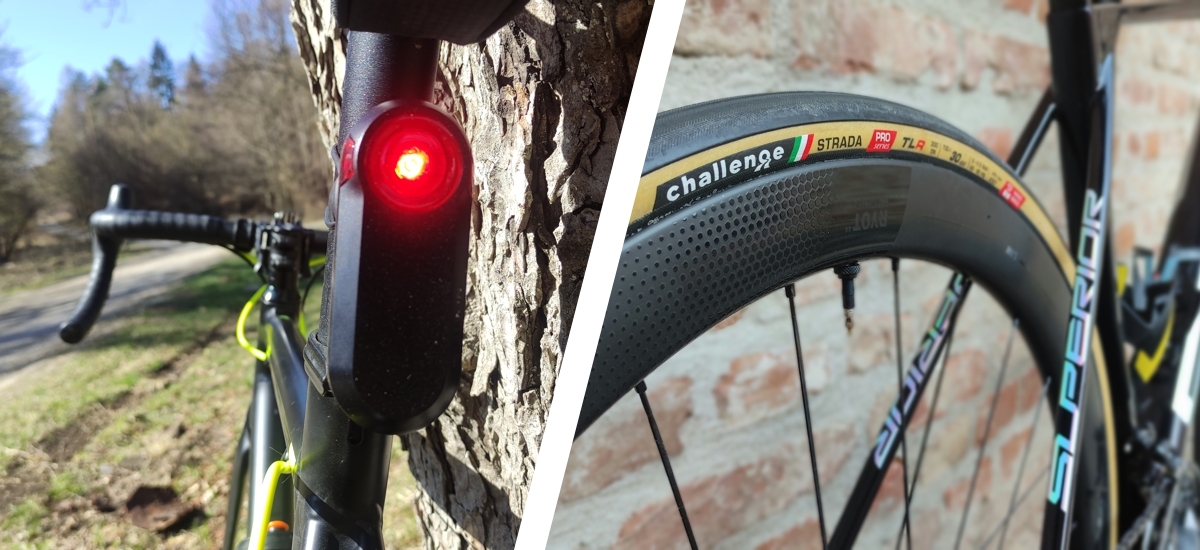
1. Garmin Varia
I think the first point won't surprise any seasoned cyclist. The introduction of Varia, initially as a small box without a light, was a clear milestone in the cycling world. This magical device has come a long way since, and the latest version even has a built-in camera.I've been a happy owner of the third generation for several years, and honestly, this was the main reason I also invested in a GPS device. There are several reasons:
- better overview of the situation behind the cyclist – after pairing with a bike computer, the number of cars is displayed on its screen, and their speed or distance can also be estimated. Of course, Garmin is not infallible in this (unfortunately). Several times, a car unexpectedly overtook me that I hadn't seen on the display. Conversely, in other cases, it goes crazy when someone is drafting me. 🙂
- high light output – if my memory serves me right, Varia has a 'range' of up to half a kilometer. Anyway, anyone who has accidentally shone the radar into their eyes will agree on one thing – it probably surpasses most lights available on the market. In this regard, during group rides, one should be considerate of others; if something like this flashes in front of your eyes for three hours, it won't be very pleasant…
- drivers notice me sooner – and that's probably under all conditions. Varia changes its intensity and flashing mode, for example, based on how fast a car is approaching. If we once discussed the dilemma 'black jersey, yes or no?', with Varia, I'm not afraid to ride even in darker colours. Although I still stand by the fact that brighter jerseys are generally more suitable.

If I mentioned the combined investment in a radar and a bike computer, it can be circumvented (if the total price seems too high to someone). You can download an app for Varia to your phone, and if you wear headphones while cycling, you can have audio alerts sent directly to them.
The truth is, however, that you don't need to invest in the flagship model right away – the list of devices compatible with this unit has been growing quite rapidly recently. And that also speaks to its popularity.
2. Carbon wheels
I swear by wheels. 🙂 Lately, I often notice people debating the dilemma: mechanical vs. electronic shifting? Subjectively, I'd say it's better to save on electronic shifting and then invest that money into quality wheels. And it's not about weight.For example, when I switched from approx. 35 mm aluminium rims to 44 mm carbon rims, I saved almost nothing. However, the stiffness when riding out of the saddle, the bike's responsiveness, and optimised aerodynamic properties are something few aluminium rims can achieve. More expensive wheels are also usually associated with higher quality hubs and bearings. And that can save a few watts. 🙂
(By the way, not to pull your leg – if we compare the same rim height in terms of material, the weight savings are also significant.)

3. Shorts and gloves
The term "quality cycling shorts" certainly isn't appearing for the first time in our series. Cycling shorts are an item where it's not worth saving money. I know what I'm talking about; once upon a time, I rode in shorts from a certain chain store. And when I tried them on again years later, I couldn't understand how I ever managed. 🙂Of course, if you're just starting with cycling, you don't need to immediately invest in the most expensive Assos model – the benefits of such shorts will be felt more by the more experienced riders.
The key will be the right size, a good fit to the body, and last but not least, the chamois. It's all quite an individual matter, and sometimes you simply have to try different options until you find your brand/model…

But we'll stay with comfort for a bit longer and move on to the next contact point. Just as we try to absorb bumps on our rear with a chamois, they also need to be absorbed on our hands with gloves. At least for longer rides. This time it will be more about brand preference; if you plan long rides, it's worth looking for more substantial padding.
4. Quality optics
Eyewear might be a slightly underestimated accessory; most people think that €30 ones are sufficient. Yes, they'll fulfill the function and have one significant advantage – if you demolish them, you won't be too sad about it.Over the past few years, several pairs of glasses have passed through my hands (namely HQBC, Alpina, Adidas), and although it might sound a bit cliché, I've settled on Oakley. One thing is eye protection; I believe all of them meet that, otherwise they wouldn't pass standards. More important, however, is the added value of the brightening function (with Oakley, it's Prizm technology), which I appreciate whenever I ride in the forest.
Photochromatic glasses are also popular, which also come with higher price tags, but similarly serve excellently when conditions change. A textbook example where I appreciated quality glasses the most are my former rides to the Carpathians from Trnava – first direct sun in the fields, then twilight in the forest.


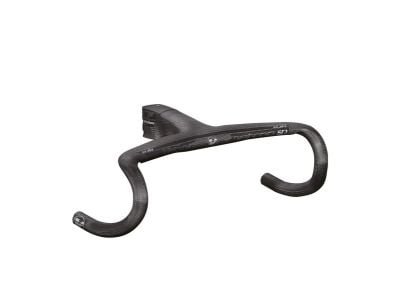
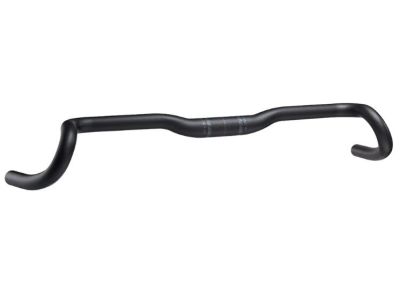
5. Flat handlebars
Perhaps I'll stir up a slight controversy, but flat handlebars are definitely worth mentioning. If you're already investing in a more expensive bike model, you'll usually find flat handlebars or a fully integrated cockpit on it. If not, they can, of course, be bought separately. Why do I mention this?I tend to ride long distances, and by long, I mean roughly 200-300 km. On my first road bike, I had classic round-profile handlebars; now I ride with flat ones. Just a few hundred meters on an old road bike was enough, and the difference in comfort was significant. So significant that I wouldn't go back no matter what.
If you spend most of your time holding the hoods (or resting your hands near them), such handlebars gain a significant advantage. And that's for a very simple reason – better weight distribution and thus lower pressure on the nerves in your palm. Furthermore, aero handlebars are most often made of carbon. And that means flex in the material and, again, increased comfort associated with it.

What would you include in your TOP 5? An electronic groupset? Better rolling tires? Or perhaps a well-ventilated helmet? As they say, to each their own. 🙂
Photo source: editorial archive
Similar articles
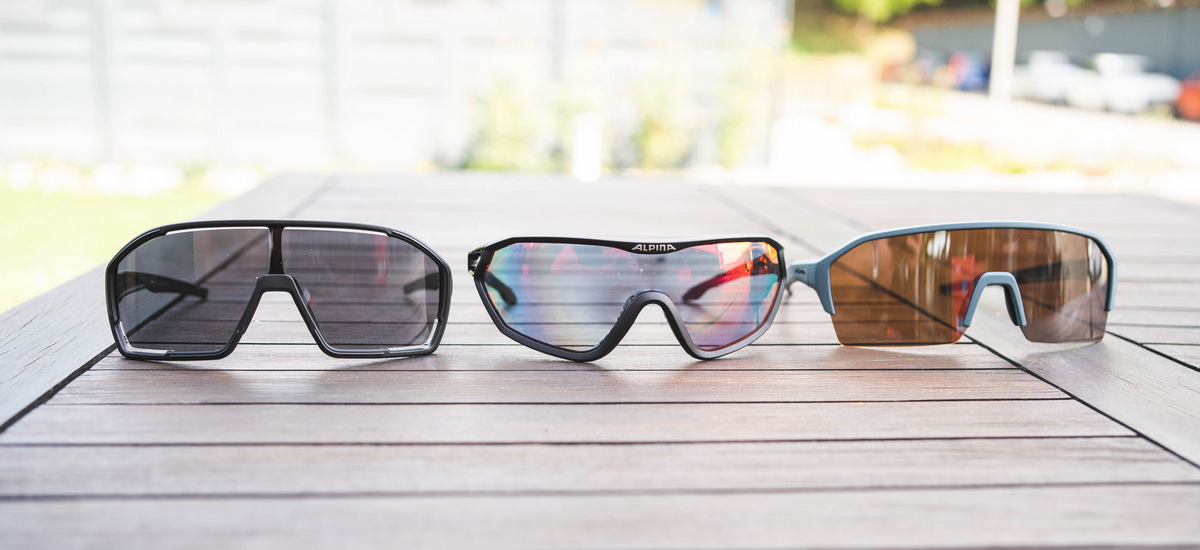
The selection is vast, prices are diverse, and the versions of cycling glasses are endless. How do you make sense of it all and choose the right ones?
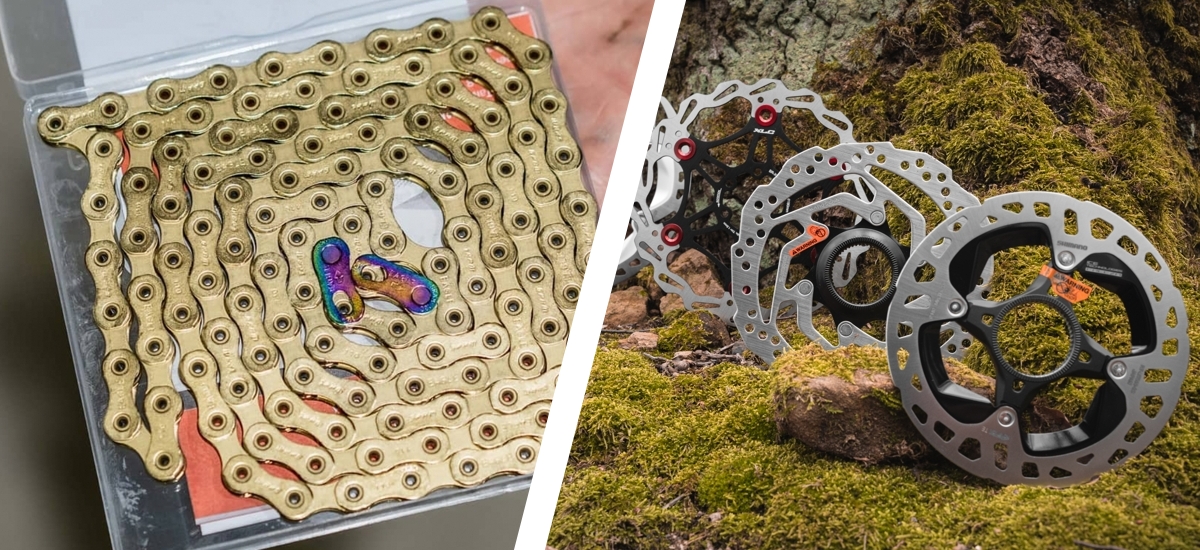
Cycling can be a very expensive sport. Whether it's components, bikes, or the apparel itself, some items can really lighten your wallet. But what's worth investing in?
 PR article
There are bike components that are easily replaceable, don't have to cost a fortune, and yet have a huge impact on your ride.



 arrow_outward
