
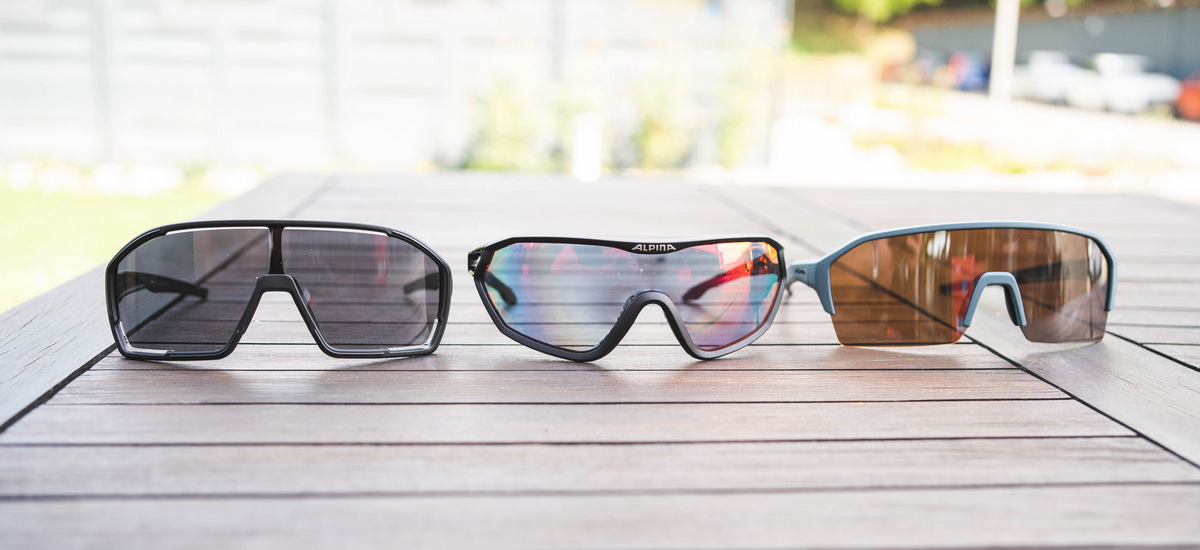
How to choose your cycling glasses?
The selection is vast, prices vary widely, and the number of cycling glasses available seems endless. How do you make sense of it all and choose the right pair?
How does a cyclist choose their new glasses? First and foremost, we often base our decision on price, and the differences can be significant. We start by looking for a specific model we saw on our favourite racer or one that caught our eye while scrolling through Instagram. And often, we're loyal to a brand we've tried and tested.Some cyclists choose purely based on style, provided the price is right and the frame and lens colours match. When it comes to lenses, it's worth thinking ahead about where and how the glasses will be used. But what about other features such as photochromic lenses, vents, anti-fog coatings, or special lenses that offer improved clarity?
Should you choose framed or frameless glasses? Which lens shape is best? Are adjustable temples really better? These are insights from my own experience, and perhaps they will help you choose your next pair of cycling glasses.


Price Range
Eyewear is no different from other products, and brands approach pricing in much the same way. The major global players with strong R&D, marketing, and sponsorship budgets sit at the top end of the market, where prices are highest.Quality in these cases is usually excellent, but cyclists don't buy only with their heads—they also buy with their hearts. I'm no different.
There are good and bad imitations, but overall, the risk isn't worth it.Perhaps that's why I prefer to "fish in these waters." I spend so much time on my bike that I'm happy to pay extra for a trusted brand, and if I manage to find a good deal, the price doesn't feel so high. If I were to suggest a range, I'd say we're talking about €150–€250.


Most brands fall into the mid-range category. Quality remains high, cyclists get excellent value for money, and those who don't care which professional rider wears which model will feel right at home.
These brands have mastered technologies that have been proven over the years. They may not offer groundbreaking innovations, but customers won't be disappointed. The price range is rougly €50–€150. In this category, I choose Alpina, and because I believe this is the most popular price segment, I'll use the brand as an example throughout these recommendations.
And what about glasses in the €0–€50 range? Even here, you can find safe glasses that meet basic expectations. Surprisingly, some larger brands also offer affordable models, but the trade-off is usually simpler, less sophisticated lenses. Another common characteristic is a less modern design.
Speaking of lower-priced products, I'd also like to address the topic of "fakes" and smaller brands that outsource production to Asia. What's acceptable, and what isn't?
The ALPINA DEFEY HR model could be described as a classic. I still meet cyclists who find this shape ideal.


“Fakes” are out - what about affordable brands?
Today, we're generally well-off enough that buying counterfeit products makes little sense. Sure, there are better and worse imitations, but overall, the risk isn't worth it.Here's a few examples from my own experience:
- Cheap plastic broke almost immediately.
- The temples or hinges didn't last.
- Lenses scratched easily, the glasses didn't fit my face properly, and after a short time they started creaking and warping.
- In a crash, they can even break into sharp pieces that may cause injuries—fortunately, I've never experienced that personally.
Some people argue that well-known brands also manufacture in China, and that may be true. This often applies to brands that don't specialise in eyewear and source products from Asian manufacturers.
The difference is that established brands care about their reputation, handle customer complaints properly, and therefore insist on quality standards that ensure the product performs as expected.
If your glasses tend to slip, rubberized temples can help.It may even be the same factory that produces the "fakes," but the quality will be higher because the client specified and paid for it. I wouldn't have a problem with glasses like that. I wouldn't mind if the brand didn't have its own R&D department, as long as it stood behind its products.
That's enough about pricing—let's move on to the factors that can help you choose the right glasses.


Lens selection
The type of lens has a significant impact on the price of the glasses.The price difference can be substantial. That's why I would first decide on the lens colour and type, and only then consider the appropriate price range and brand. There's a big difference between glasses intended mainly for forest trails and those designed primarily for road cycling. Simply put, you need to consider the lighting conditions you'll encounter.
In addition to photochromic properties, polarisation can also improve vision by enhancing contrast. Because of the more advanced lens technology involved, this option is usually considerably more expensive than basic dark lenses.
Technologies for eagle-eyed vision
Have you ever noticed how some lenses distort your view? Move your head slowly up and down or from side to side and use your handlebars as a reference point. You may notice their shape changing, or the ground appearing closer one moment and farther away the next.On a bike, this can be dangerous, which is why high-quality lenses that minimise distortion are essential. I won't list the various technologies by name here—just try on a few branded models in a shop. The difference in clarity and sharpness can be remarkable.


Shape and temple design
Your glasses shouldn't slide down your nose, and your cheekbones shouldn't interfere with the frame or lenses. Some people have wider faces, others narrower, so it's always best to try glasses on before buying. I'd even recommend jumping around or making sudden movements to see how securely they stay in place.Cyclists can fully express themselves through their choice of glasses.If your glasses tend to slip, rubberized temples can help, and some models also feature curved temple tips. Others offer adjustable temple lengths, which can further improve fit. Ideally, try the glasses on with your own helmet to make sure the straps don't interfere with the temples and that the helmet doesn't press against the frame.
If you have your helmet with you, you can also check whether the glasses fit securely into the helmet vents—something that's particularly useful on climbs.


Vents or no vents?
Do vents in glasses make a significant difference? It's difficult to say, but I have a friend who sweats heavily and wouldn't buy glasses without them.The openings between the frame and the lenses help delay fogging when you start to sweat, at least before moisture becomes excessive. Once sweat is pouring down, however, the only real solution is to store the glasses in your helmet or jersey and wring out the sweat-soaked helmet padding.
Frame: yes or no?
Are framed glasses better than semi-rimless or frameless designs? Full-frame glasses are generally more robust, and the lenses are better protected, making them suitable for rougher handling. Frameless designs are often lighter.I also choose based on peripheral vision. If I'm racing in a peloton, the less frame visible in my field of view, the better.


Casual models for cycling?
From my experience, very few casual sunglasses are truly suitable for cycling. Air often passes around the smaller lenses, causing my eyes to water.They also tend not to stay securely on my nose, which is rarely an issue with cycling-specific glasses. Ray-Bans may look great on a gravel bike, but for longer rides, I'd definitely test them first. Still, if someone prefers lifestyle glasses, we offer a wide selection.
Spare parts and lenses
A quality eyewear brand can often be recognised by the range of accessories and spare parts it offers. The product description usually lists what's included in the package. A soft cleaning cloth and a spare nose pad are always useful, and it's especially practical when clear replacement lenses are included. These are handy for evening rides with lights or poor weather conditions.There's no need to worry about the durability of glasses with interchangeable lenses.
Cyclists who require vision correction often choose prescription glasses. If contact lenses aren't suitable, options include glasses with a prescription insert or custom-made prescription lenses. The latter is usually quite expensive.
🛒 Accessories and spare parts can be found in our MTBIKER shop.


I don't know whether my head has changed or whether modern glasses simply fit better, but I rarely have problems when buying them today. Occasionally, a shape doesn't suit me, or a model looks too small on my face, but that's mostly an aesthetic issue.
The selection available today is enormous, and brand availability is excellent, allowing every cyclist to express their personal style through their choice of glasses. By keeping the factors above in mind, there's a good chance you'll be very satisfied with your choice.
Photo source: editorial archive
Similar articles
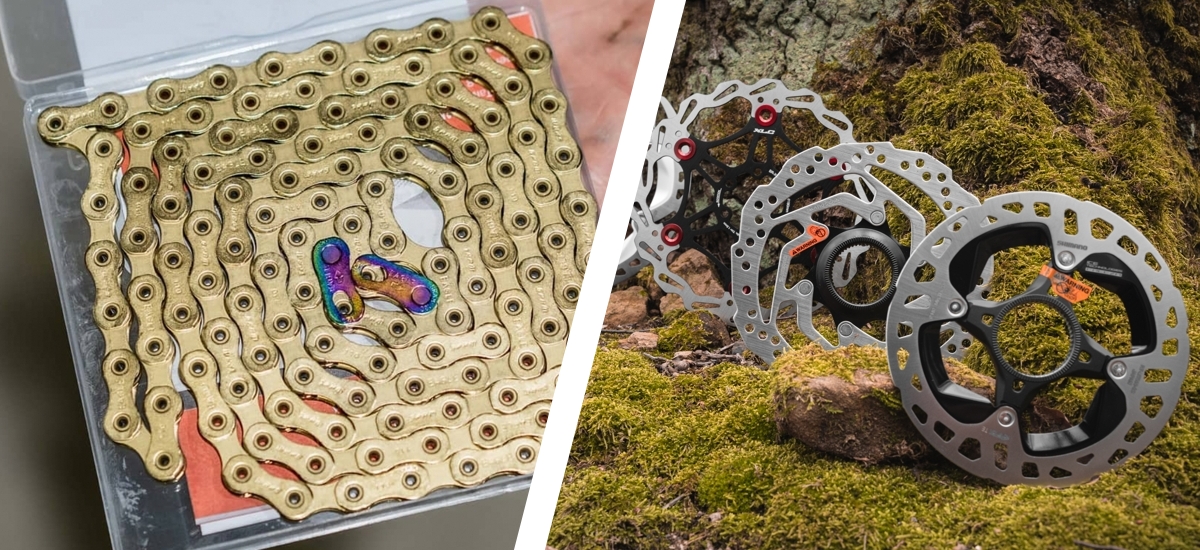
Cycling can be an expensive sport. Whether it's components, bikes, or apparel, some items can put a serious dent in your budget. So which purchases are actually worth the investment?
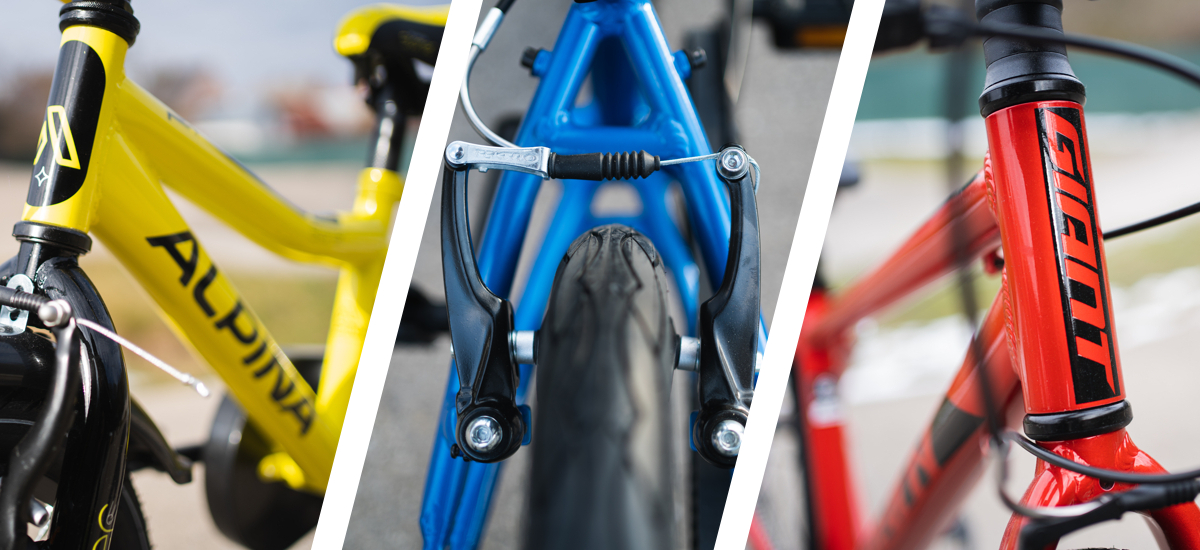
Are you wondering what type of bike to choose for your child and what to focus on during the selection process? We’ll try to help and guide you.
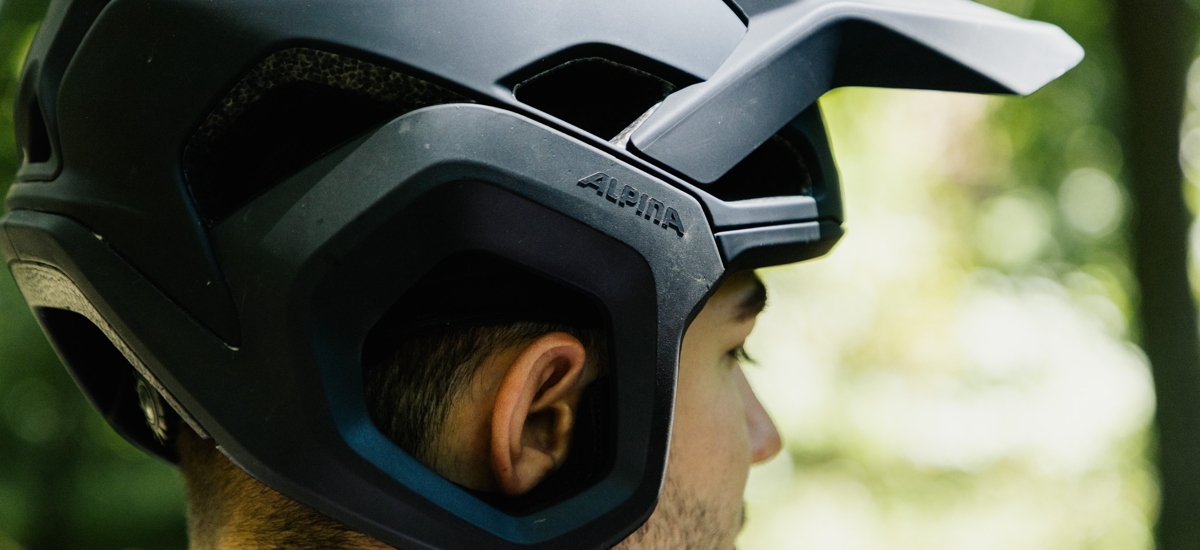
Helmets save lives! But how do you actually choose a helmet, what types of MTB helmets are there, and what should your main focus be?
Product selection
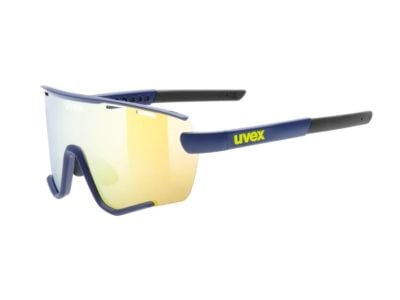
Sale uvex Sportstyle 236 Set Team Wanty glasses, blue matt/yellow clear
129 €
RRP 169 €


 arrow_outward
