
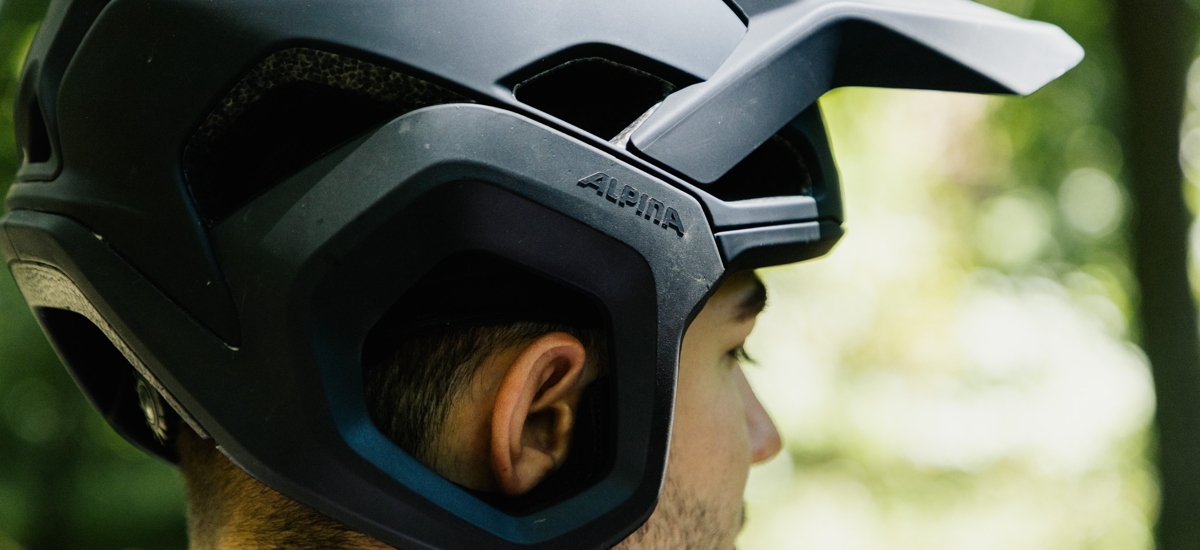
How to choose an MTB helmet and what types are there?
Helmets save lives, there's no doubt about that. But how do you choose a helmet, what types of MTB helmets are there, and what should you focus on when making your selection?
I'll start this article unconventionally. Two years ago, I had a bad fall, hitting my head directly on a stone. I was wearing a quality helmet that was completely destroyed. I was very glad it did, because otherwise I wouldn't even be writing this. So, if you don't wear a helmet, you should definitely think about it.
How much money should you invest in a helmet?
If you're buying a bike and gear, you also need to invest in a helmet. What's the right balance? How much is just right, how much is too little, and how much is too much? MTB helmets range in price from a few tens of euros up to an amount for which you could buy a whole new bike.It goes without saying that more expensive helmets are of higher quality. You can usually buy a quality helmet in the range of 50 - 100 €. The higher you go in price, the more features and technologies the helmet has that can also help you in case of a fall. However, if it's, for example, about lights integrated directly in the helmet - that won't help you when you fall.

However, it's important to remember that even the cheapest helmet is better than none. Even those must undergo various certifications, and it's important to realise one thing – helmets save lives. I recommend investing in a quality helmet rather than new components. Those won't save your life.
Your helmet must fit perfectly on your head
For a helmet to fulfil its function in case of a fall, it must fit perfectly. Here I would recommend only one thing – try on the helmet. When trying on a helmet, be sure to bring the goggles you will use with it (so the shape of the goggles doesn't interfere with the helmet), or a cap you'll wear in winter (to avoid the helmet being too tight when worn with a cap in the winter).The helmet must not be too tight, that can cause headaches. On the other hand, if it's too loose, it will move around on your head.
If you're between sizes – e.g., 54 - 56 cm and 56 - 58 cm, and your size is 56, it might mean that one size will be too big and the other too small for you. In that case, you need to choose a different manufacturer with different sizing charts. If you don't know your head circumference, you can find out very easily with a tailor's tape measure.

How a helmet fits you depends not only on the size but also on the placement of the padding inside the helmet, ventilation, helmet shape, and so on.
Types of helmets
MTB disciplines are quite diverse. An XC helmet is completely different from a downhill helmet. Therefore, I would divide the types of MTB helmets and their descriptions into 4 categories:- Classic helmet
- Enduro helmet
- Full-face helmet
- Full-face helmet with a removable chin guard
Which helmet is for me?
Now we will discuss helmets in more detail. We will compare various factors, especially protection, ventilation, and weight.
Classic helmet
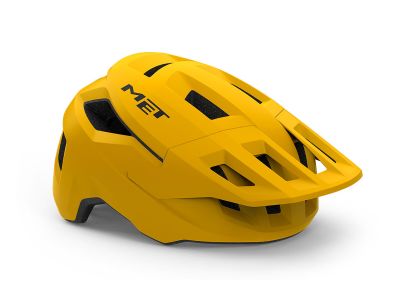
A classic helmet is a helmet that provides protection for the top of the head as well as its sides. It is suitable for almost all disciplines from XC to Enduro. Manufacturers of these helmets predetermine their characteristics for the mentioned disciplines, so they can differ quite a bit.

Enduro helmet
An enduro/all-mountain helmet is more substantial than a classic helmet. It often has greater protection for the back of the head and the sides, and some helmets even protect the ears. Consequently, its weight is higher, but on the other hand, so is the protection. Unfortunately, the more substantial the helmet, the lower its ventilation capability.
Full-face helmet
A full-face helmet has an integrated chin guard that cannot be removed. This means higher weight, lower ventilation capability, but higher protection. This helmet is used exclusively in gravity disciplines, i.e., enduro, downhill, and similar.
Full-face helmet with a removable chin guard
As helmets gradually evolved, manufacturers came up with various clever features. One of these is the full-face helmet with a removable chin guard. Thanks to the removable guard, this helmet has the benefit of being usable for both climbs and descents.So, which helmet should you choose?
Choose a helmet according to your focus. Consider what your priority is, what terrain and discipline you ride. If you enjoy trips, all-day rides, or uphill performance, you'll probably look for a helmet with the lowest possible weight and best ventilation capability.
Conversely, if you enjoy downhill riding, ride in bike parks, and don't seek out climbs, a full-face helmet will be the one for you. If you ride trails most of the time and seek greater safety, you can also choose an enduro helmet, which offers better protection for the back of the head or ears, or a full-face helmet with a removable chin guard.
Technologies
Helmets utilize various technologies that improve both protection and ventilation. Whether it's various technologies for concussion prevention (MIPS), or technologies used in the padding and the helmet's structure itself, there's really a lot, and one article certainly wouldn't be enough for it.For recreational cyclists and tourists, manufacturers incorporate an insect net into the helmet. Also, reflective elements, which are a passive safety feature for cyclists, should not be forgotten. Similarly, helmets also have various fastening systems, whether it's a magnetic Fidlock system, a double D-ring, or a plastic buckle.

Never ride without a helmet
Just as a helmet saved my life, it can save yours, too. Therefore, in conclusion, I would recommend only one thing to you – always wear a quality helmet when cycling. It doesn't matter if you're just going to the corner shop or on an all-day ride; you never know what might happen.P.S.: Never buy a helmet from a second-hand market unless you are 100% sure of its history.
Photo source: editorial archive
Similar articles
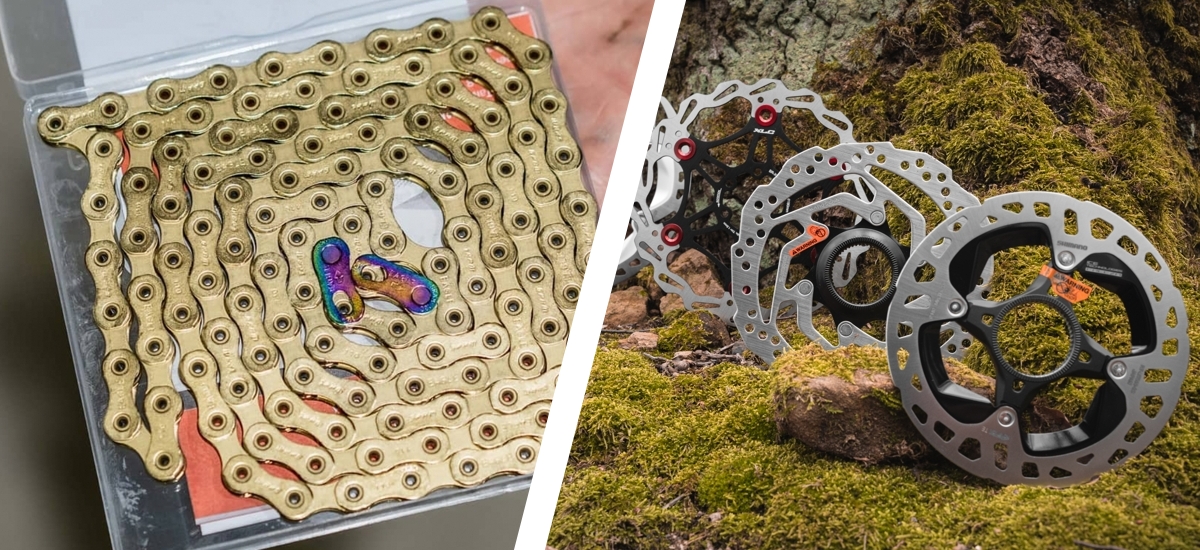
Cycling can be a very expensive sport. Whether it's components, bikes, or the apparel itself, some items can really lighten your wallet. But what's worth investing in?
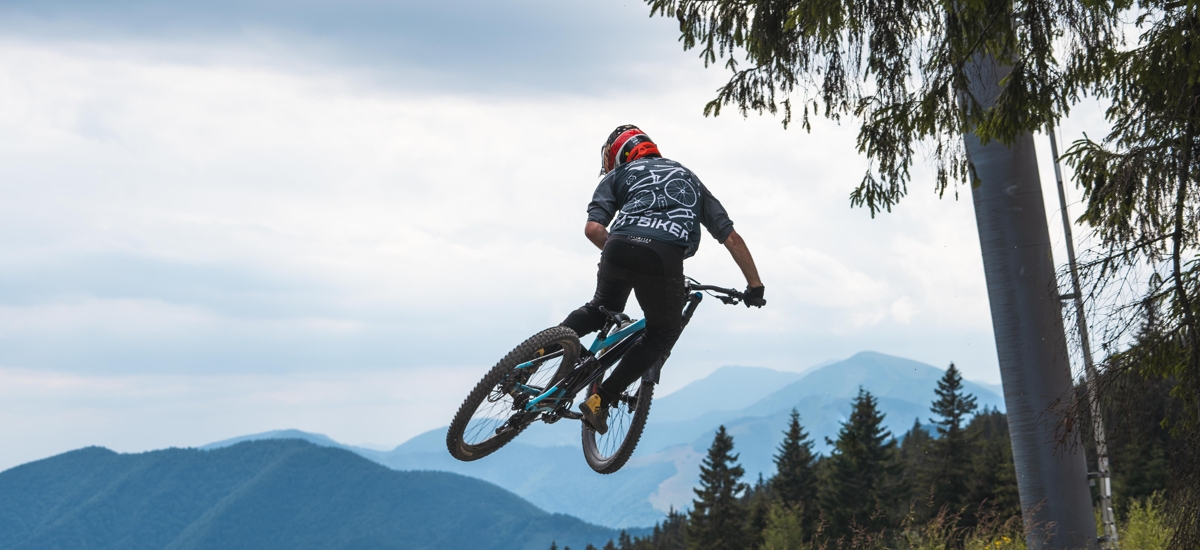
Mountain biking is divided into several disciplines – from casual forest/paved road riding (including uphill sections) to extremely demanding downhill riding. What disciplines are there, and what are they called?
 PR article
There are bike components that are easily replaceable, don't have to cost a fortune, and yet have a huge impact on your ride.


 arrow_outward
