
































































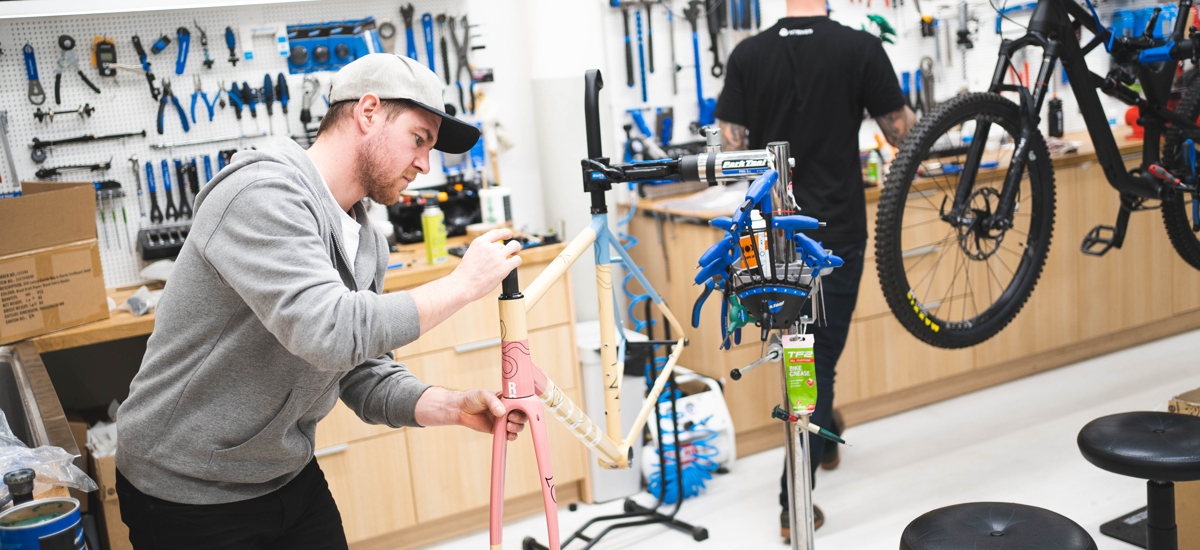
Basic Road Bike Maintenance
Riding a road bike has its downsides too—namely, maintenance and servicing.
Hands up if you enjoy washing your bike! Huh, can't see that many hands... And it’s no surprise—riding is far more enjoyable than standing around with a hose.When it comes to maintenance, however, road cycling does have a slight advantage over mountain biking. There’s no suspension to service and no pivot bearings to creak.
That said, your “razor” still needs proper care, and today we’ll cover the basics.
Keep It Lubricated, Keep It Rolling
The drivetrain is the most mechanically active part of the bike, so it naturally deserves plenty of attention. Maintenance intervals vary depending on the type of lubricant you use and the conditions you ride in. However, a squeaking chain is a clear sign that something has been neglected.The first step in drivetrain maintenance is degreasing the chain and other drivetrain components. For the chain itself, I’ve recently had good results with the Park Tool chain cleaner. One of its main advantages is that the brushes can be replaced over time.
Combined with a suitable cleaning fluid, it leaves the chain sparkling clean. Ah, the days when I used to do this with two toothbrushes or a rag, one link at a time. 🙂


However, the chain will quickly become dirty again if you neglect the cassette, chainrings, or derailleur pulleys (yes, they collect an impressive amount of grime too). Various brushes and dedicated cleaning tools can make the job much easier.
Once everything has dried, it’s time to lubricate.
If you use traditional drip lubricant or wax, apply it only to the top of the chain links. There’s no need to put it anywhere else. Personally, I prefer lubricants designed for dry conditions, as I rarely ride in the rain. Recently, fully waxing the chain has also become increasingly popular.
One thing remains true regardless of the method: proper lubrication helps prevent dirt buildup and can even save you a few watts while riding. 🙂


A worn chain not only reduces efficiency but also accelerates wear on other drivetrain components.
Fortunately, road-bike chains generally endure less abuse than those used off-road—there’s less dirt, less moisture, and usually less extreme chain angles. Chain wear is also heavily influenced by riding style. Riders who favour higher cadence tend to have an advantage over those who rely on brute force.
Even so, once you reach roughly 1,500–2,000 km, it’s wise to check chain wear regularly with a chain wear gauge and replace the chain before it becomes excessively worn.

The shift cables also deserve attention—assuming you’re not already using electronic shifting.
If you haven’t crashed and your shifting suddenly starts behaving unpredictably, pay close attention. These may be the first signs that a cable is approaching the end of its life or has stretched beyond acceptable limits and needs replacing.
If your bike shifts electronically, all you really need to keep an eye on is the battery charge.
Tires: Efficiency and Comfort
Even the most expensive tires won’t perform well if they aren’t inflated correctly. Tire pressure depends on several factors, with rider weight, road conditions, and whether you’re using tubes or a tubeless setup being the most important.As a general rule, tubeless tires can be run at lower pressures than tube-type tires for the same rider weight.
Smooth, dry roads can accommodate slightly higher pressures than rough or wet surfaces. Likewise, heavier riders generally require slightly more pressure than lighter riders. If you’d rather not experiment, calculators from SRAM and SILCA provide excellent starting points.
Tubeless tires require slightly more maintenance than traditional tubes. The sealant inside doesn’t last forever and must be topped up periodically.


Recommended quantities and intervals vary between manufacturers, so it’s best to follow the instructions provided. Besides topping up the sealant, it’s worth removing the tire occasionally to clean out any dried residue.
A few maintenance principles apply to both tubed and tubeless tires. Tire pressure should be checked and adjusted if necessary before every ride. Not every tubeless setup retains pressure perfectly. When sealant levels are low, some tires can lose pressure surprisingly quickly.
With tubes, running pressure that is too low increases the risk of pinch flats. Tire wear should also be monitored regularly.
Most road tires last several thousand kilometres. For example, at 68 kg, I’ve managed more than 8,000 km on some tires without wearing them out completely.
However, frequent punctures or visible casing damage are clear signs that replacement is due. Some manufacturers also include wear indicators—for example, Continental tires feature two small dimples that gradually disappear as the tire wears.

Creaks and Their Common Causes
Few things are more annoying than mysterious creaks and cracking noises while riding. In most cases, these sounds are caused by dirt finding its way into a contact surface. Common culprits include:- the seatpost where it meets the frame,
- the connection between the seatpost and saddle rails,
- the saddle rails themselves and their attachment to the saddle shell,
- loose wheel spokes,
- the bottom bracket,
- the headset,
- the stem-to-steerer interface,
- the handlebar-to-stem interface (if you don’t use an integrated cockpit),
- the pedal axle.
Fortunately, the solution is usually straightforward. Identify the source of the noise, clean the affected area, apply an appropriate lubricant or carbon assembly paste, and tighten everything to the recommended torque specification. Then all you can do is hope the dirt stays away for a while. 🙂

Brakes: The Foundation of Safety
Brakes deserve more attention than almost any other component on the bike. You can survive a squealing chain, even if it hurts your ears. Riding without reliable brakes is a different story.Let’s begin with rim brakes, as they’re considerably easier to maintain. The main task is monitoring the wear of the brake pads. The wear grooves built into the pads are particularly useful for this.
Although rims wear more slowly than brake pads, they should still be inspected at least once a year. Correct brake cable tension is equally important. The same applies to mechanical disc brakes, even though their operation is more similar to hydraulic systems.


Hydraulic disc brakes require a little more attention. There are several things to monitor:
- Rotor wear – every manufacturer specifies the minimum allowable rotor thickness, usually engraved directly onto the rotor. Once this limit is reached, the rotor must be replaced.
- Brake pad wear – pad thickness can be checked visually, and excessive lever travel is often a sign that replacement is approaching.
- Brake bleeding – increased lever travel can also indicate air in the system. A noticeable drop in braking performance is another common warning sign.
- Brake contamination – this is often the result of small mistakes during maintenance. 🙂 Brake rotors and grease do not get along well. Extra care should be taken when bleeding brakes, cleaning the drivetrain, or topping up tire sealant. Ideally, use rotor covers during these procedures.
It’s worth noting that brake bleeding is a more advanced maintenance task requiring specialised tools. If you’re not comfortable doing it yourself, taking the bike to a professional workshop is always a sensible option.
Learning the basics of bike maintenance is well worth the effort. Not only will your two-wheeled companion reward you with longer-lasting components, but you’ll also save money on servicing. 🙂
Photo source: editorial archive
Similar articles

Basic bike maintenance tips to help you avoid problems. Your bike will reward you with smooth, reliable performance, and you'll save money in the long run.
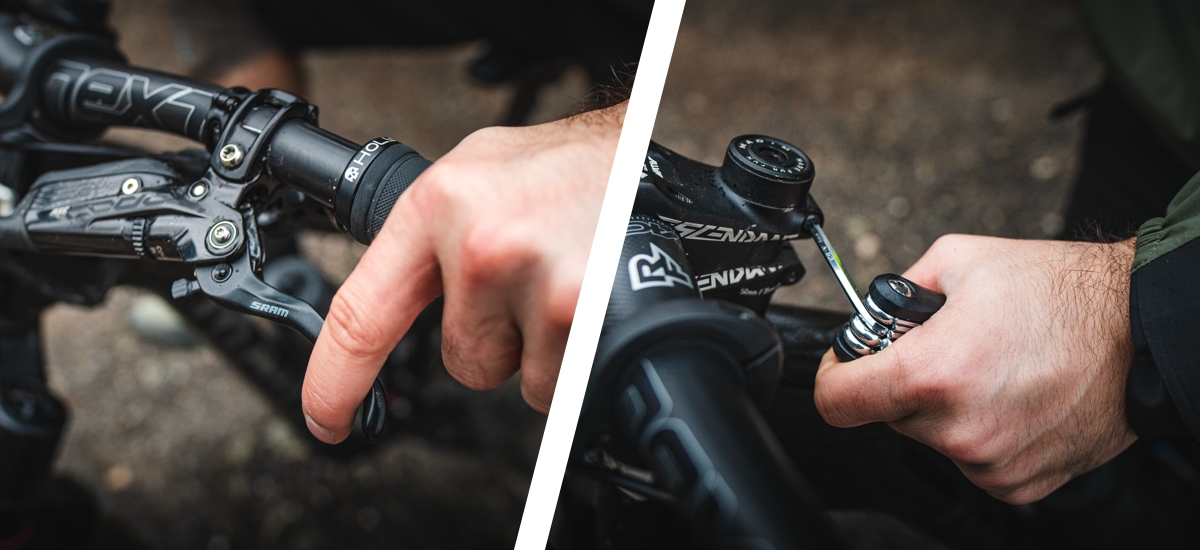
Purchasing a new bike is the beginning of many great rides—but only if the bike is set up correctly. So, what should you do after buying a new bike?
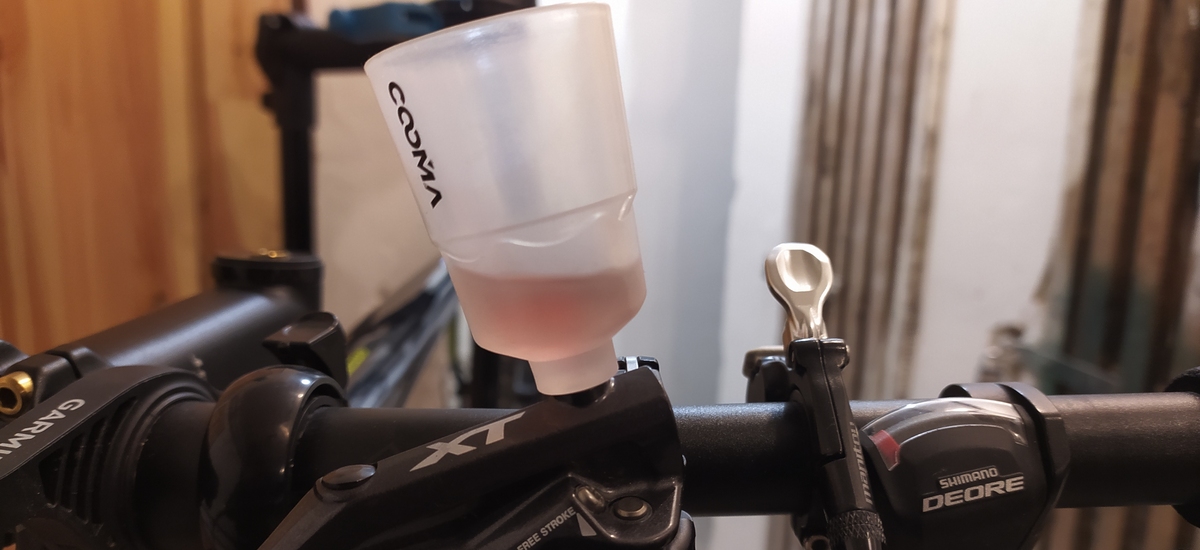
Like all bike components, brakes require regular maintenance. Bleeding the system and, if necessary, replacing the brake pads is the most reliable solution.


 arrow_outward
