

Bike maintenance – how to prevent problems
Basic bike maintenance tips to help you avoid problems. Your bike will reward you with smooth, reliable performance, and you'll save money in the long run.
Bike maintenance is very important. Yes, it will save you trouble. It will also save you money. Most importantly, it will extend the lifespan of your components and ensure you're riding a bike you can rely on.Poor maintenance can lead to faster component wear and, in the worst-case scenario, even complete failure. This can ultimately result in a crash and injury.
Basic Maintenance
1. Washing the Bike
As the saying goes, a clean bike is a fast bike. Riding off-road means exposing your bike to dirt. That dirt gets into every part of the bike, whether it's the drivetrain—chain, cassette, and chainrings—the suspension, or even the bearings. It's simply a fact we all have to accept.How to Properly Wash a Bike
Water Pressure
First and foremost, avoid high-pressure cleaners and pressure washers—or use them very carefully and only for a rough rinse. A bike has many moving parts and seals that are sensitive to high water pressure.High pressure can force dirt into places where it doesn't belong, causing increased friction and wear. Medium- or low-pressure cleaners are ideal.
I definitely don't recommend washing your bike after every ride. Unless you're riding in extremely dirty conditions, such as dust or mud, and your bike ends up heavily soiled, washing it after every ride isn't necessary.
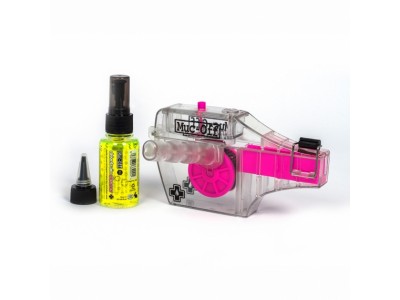
You can also wipe dirt off your bike with a damp cloth. As for the drivetrain, fork stanchions, and shock shaft, these can be cleaned separately. A chain cleaner can also help, although I don't use one myself.


Frame
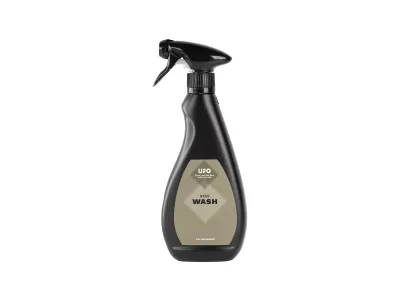
After a dirty ride, rinse the bike with water and allow the dried dirt to soften. This will help prevent scratches on the frame. Next, use a cleaner to loosen and remove dirt. You can also spray the cleaner onto a sponge to make it last longer.Drivetrain
Afterward, you can safely use a stronger degreasing cleaner specifically designed for the drivetrain, especially if the chain is very dirty. Use brushes; I recommend this one for cleaning the chain.
Seals
Pay close attention to all moving parts and suspension components. Clean the seals on the fork, shock, and dropper post with a soft cloth.‼️ Caution: Use only cleaners specifically designed for bikes. Avoid aggressive cleaning agents and organic solvents.
- Tip: Buy larger containers, as they are more economical. This one lasted me almost three seasons and is designed for drivetrain cleaning.
- Tip: Use multiple cloths—one for the chain, one for the frame, and another for the suspension and dropper post.
- Tip: If you don't have access to running water, use a bucket or a mobile cleaner designed specifically for bikes.
2. After Washing the Bike
Drivetrain
After washing your bike, it's important to lubricate all components that require it, especially the drivetrain.But don't overdo it! Wipe off any excess lubricant with a cloth to prevent dust and dirt from sticking to the chain. Combined with excess lubricant, these contaminants create what is essentially an abrasive paste.
It's also important to choose the right lubricant. If you don't ride in wet or muddy conditions, there's no need to use a lubricant intended for such environments. This will help reduce dirt buildup on the drivetrain and make cleaning much easier.
Frame
If you want to take post-wash care a step further, you can apply a protective product to the frame—a coating that helps repel dirt and gives the bike a like-new shine (at least until the next ride).

Suspension/Dropper Post
Lubricating seals on suspension components and dropper posts is a debated topic. Some recommend it, while others do not (oil manufacturers, of course, generally do).If you choose to lubricate the suspension, use a product specifically designed for this purpose.
Note that seal lubricants are different from oils intended for use inside forks. Be sure to wipe away any excess; otherwise, dirt will accumulate on the seals and the effect will be counterproductive.
Wheel Axles
After washing the bike, it's a good idea to occasionally apply grease to the wheel axles. This helps prevent creaking noises while pedalling and makes axle removal easier in the future.Likewise, grease should be applied to pedal threads to prevent them from seizing over time.

3. Inspection
Don't forget to check that all bolts on your bike are properly tightened. This is important because riding with a loose wheel, for example, is not only uncomfortable but can also lead to a crash in the worst-case scenario. Use a torque wrench for accurate checking.It's equally important to inspect your brakes. Check the rotor thickness to ensure it remains above the minimum limit, and inspect the condition of the brake pads. Use calipers to measure rotor thickness. Pad wear can often be assessed visually, or you can remove the pads for a closer inspection. It's better to replace them sooner rather than later.
Chain Inspection
Chain inspection should also be part of your maintenance routine. A simple chain wear indicator will tell you whether the chain is still serviceable or ready for replacement. Riding with a worn chain will eventually damage your cassette and, in the worst case, your chainring as well.4. More Thorough Bike Maintenance
This type of maintenance should be performed at least once per season. Of course, the exact interval depends on how often and under what conditions you ride.Suspension/Dropper Post
If you ride frequently, especially in harsh conditions, your suspension and dropper post will require maintenance. Since this article is intended for beginners, I primarily recommend visiting a service shop.However, if you're experienced with servicing, you can do the work yourself. Suspension systems contain many critical components, so proceed carefully—or work with someone more experienced—to avoid damaging expensive parts.
Headset/Bottom Bracket Maintenance
If your bottom bracket is creaking or hasn't been serviced in a long time, it's advisable to lubricate it. This involves removing the cranks, checking the condition of the bearings, cleaning them, applying fresh grease, and reassembling everything. It's not a particularly complicated process and can save you money on service costs.Again, use grease for lubrication. Cleaning and servicing the headset is also relatively straightforward, and yes—you'll need grease there as well.


Top Up Tubeless Sealant
Tubeless tires rely on sealant. Because sealant dries out over time, be sure to top it up when necessary. Check the sealant level at least twice per season, unless you replace tires more frequently.💡 A simple trick is to lift the wheel and shake it. If you can still hear the sealant sloshing around inside, there's probably enough left.
Brake Bleeding/Oil Change
Your safety depends on your brakes. That's why regular servicing is essential. In addition to replacing pads and rotors, oil changes and brake bleeding are also important maintenance tasks. You'll need the correct brake fluid and a bleeding kit designed for your specific brake system.Make regular bike maintenance a habit
It will pay off through reliable performance and longer-lasting components. If you'd like to save money on servicing, many maintenance tasks can be performed at home with a little patience.Photo source: editorial archive
Similar articles
Shopping for a bike? We'll help you decide whether buying new or used offers better value.
 PR article
Thinking about getting into cycling? Unsure which bike is right for you? We offer a selection of beginner-friendly bikes that won't break the bank.


 arrow_outward
