
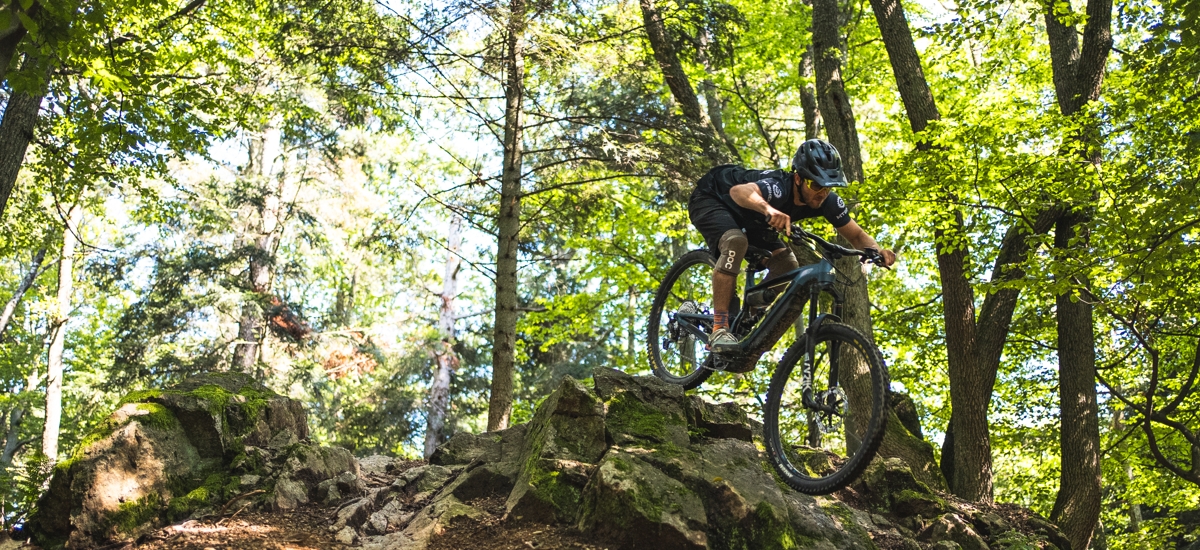
5 Mistakes That Will Ruin Your Riding Experience
Everyone makes mistakes during their cycling journey. Thanks to this article, you can avoid making at least five of them.
Cycling isn't a sport with rigid rules for technique and equipment. Cyclists ride different bikes and have diverse riding styles. This diversity is exactly what makes our sport so beautiful.However, everyone has made mistakes and learned from them. In this article, we'll look at five common mistakes you can fix either for free or with a minimal budget. In my experience, I see these mistakes frequently, especially among beginners.
1. Tires Too Hard or Too Soft – Keep Your Wheels from Bouncing
Pressure that is too high or too low can lead to a loss of grip (your tires won't maintain traction on the terrain) or even damage your rims.If the pressure is too high, your wheels will bounce off bumps like a ball. With underinflated tires, the wheel's handling characteristics will suffer, and the tire will deform excessively, which can also lead to rim damage.
There is no single "correct pressure" that applies to everyone. You need to determine the right pressure based on several factors, including riding style, tire width, rim width, rider weight, tire casing thickness, and the use of inserts.


💡 I recommend this calculator for determining the correct tire pressure.
2. Handlebars Too Wide or Too Narrow – For Better Cornering
Handlebars that are too wide or too narrow can negatively affect your riding technique and make cornering more difficult.Manufacturers often equip bikes with unnecessarily wide handlebars. This is true even for smaller frame sizes. It's not because they are trying to get rid of leftover stock. Handlebar width is a component that needs to be adjusted to fit the rider. Handlebars that are 800 mm wide don't suit most average cyclists, so they should be adjusted to match your proportions.
You'll need a cutter or saw to trim a little from each end. Generally, the shorter the rider—and therefore the shorter their arms—the narrower the handlebars they should use. Naturally, the opposite is true as well.


How narrow is too narrow?
Since handlebar width directly affects bike control, shortening them excessively is not recommended. Doing so can have a negative impact on handling and reduce steering precision.I'm 175 cm tall and use 760 mm handlebars. I've also ridden with 800 mm, 780 mm, and 740 mm bars. The 760 mm setup suits my riding style, and I'm happy with it.
You need to try different options and experiment. The correct handlebar width can have a significant impact on your ride. Finding the ideal width and trimming the bars may take time, but you'll appreciate the result in the end.
When cutting handlebars, remember the well-known rule: measure twice, cut once. Also, don't forget that special tools should be used for carbon handlebars.
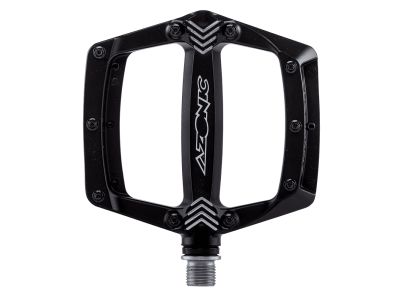
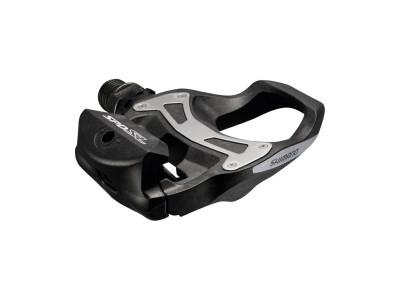
3. Low-Quality Pedals – Ditch the Factory Ones
The wrong pedals can cause your feet to slip off, and in the worst case, lead to a crash.Pedals are one of the two key contact points between the rider and the bike during a descent. If your feet aren't staying on the pedals, you have a problem. Instead of looking for a new fork or a full-suspension bike, focus on your pedals first.
Do you have quality pedals? Do your shoes grip them properly? Do your pedals have pins? Are they large enough?


Many bikes come from the factory with so-called "plastic pedals" that don't even have pins. As a result, you can't expect your feet to stay planted on the pedals while riding off-road. Ideally, you should pair the right pedals with appropriate cycling shoes designed for them.
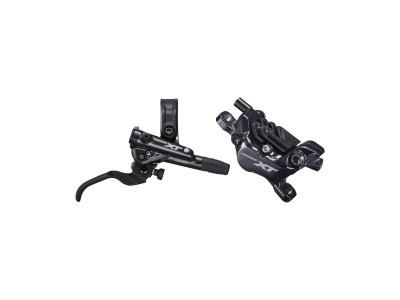
4. Brakes in Terrible Condition – Stop Braking with Two Fingers
Poorly maintained brakes can lead not only to discomfort during your ride but also to a crash—or something even worse.I won't hold back here. If you don't believe me about the terrible condition some cyclists' brakes are in, just ask your local mechanic. It's even worse when those brakes are responsible for determining whether you stop in time or not. At that point, you're essentially gambling with your health.


Worn brake pads, damaged rotors, and air in the brake system are issues that can often be fixed for just a few dozen euros. Always make sure your brakes are in good condition before riding.
Check the thickness of your pads and rotors, and test your brakes a few times on flat ground. If the brake lever pulls all the way to the handlebar, your brakes need bleeding.
Brake lever adjustment is a topic in itself. Ideally, you should brake with one finger. This allows you to maintain a stronger grip on the handlebars than braking with two fingers.
5. Worn-Out Tires – For a Reliable Bike
Worn-out tires mean less grip and, in the worst-case scenario, can lead to a crash.Tires need to be replaced regularly. Once the tread begins to wear down significantly, it's a good idea to buy a replacement and install it when the time is right.


Few people can afford to replace tires after just a few rides like an F1 pit crew. However, when a tire that once had deep tread and pronounced knobs becomes nearly smooth, it loses much of its grip and can no longer be relied upon.
Replace your tires before they become a problem you'll regret later. Similarly, watch out for hardened rubber on very old tires.
Don't Learn the Hard Way
Everyone makes mistakes. The biggest mistake in cycling is not wearing a helmet. It's a mistake that could cost you your life.
Photo source: editorial archive
Similar articles
We tested a range of pedals to help make your choice easier.

Be honest - when was the last time you really adjusted your suspension? If you're like 90% of riders, the answer is: never.
Purchasing a new bike is the beginning of many great rides—but only if the bike is set up correctly. So, what should you do after buying a new bike?

 arrow_outward
