

Make your MTB upgrade worth it
There are bike components that are affordable, easy to replace, and can still make a significant difference to your riding experience.
You may already know that there are three contact points connecting the rider to the bike: the handlebars, saddle, and pedals. In today's article, we'll focus on the first two, which arguably have the greatest impact on overall comfort when riding off-road. Upgrading them can help you achieve your ideal riding position while eliminating many common sources of discomfort.Let's take a closer look at the key features of each component using products from PRO as examples. Their range includes a wide selection of handlebars, stems, grips, saddles, and more.
How to Choose the Right MTB Handlebars
Choosing the right handlebars for your mountain bike can significantly affect your comfort, bike handling, and overall riding experience.Handlebars are about much more than appearance—their dimensions, shape, and material directly influence how the bike feels on the trail. Here are the key factors to consider when choosing MTB handlebars.
Handlebar Width
- Narrower handlebars (700–740 mm) – ideal for XC (cross-country) riding, where efficiency and low weight are priorities.
- Wider handlebars (760 mm and above) – provide greater stability and control on descents, making them popular for trail, enduro, and downhill riding.


Wider handlebars improve control in technical terrain but can be less practical on narrow trails.
It's also important to consider your body proportions, particularly shoulder width and arm length. Naturally, riders with a broader build tend to prefer wider bars, while slimmer riders may feel overly stretched out. One advantage of wider handlebars is that they can usually be cut down to size—something that isn't possible in the opposite direction.
Rise
Rise is measured in millimetres (e.g. 0 mm, 20 mm, or 35 mm).- Flat (0 mm) – creates a lower, more aggressive riding position, making it suitable for XC.
- High-rise (20 mm+) – promotes a more upright and comfortable position and is particularly popular for trail and enduro riding, where extra rise can inspire confidence on steep terrain.


Sweep – Handlebar Curvature
- Backsweep – the backward bend of the handlebars (typically 7–9 degrees).
- Upsweep – the upward bend of the handlebars (typically 0–5 degrees).
More backsweep reduces strain on the wrists and shoulders, creating a more comfortable riding position. However, during aggressive riding in technical terrain, it can slightly reduce the feeling of direct control over the front wheel and decrease steering leverage.
Greater upsweep encourages a more natural outward elbow position, which can improve descending posture. On the other hand, some riders may find it less comfortable during long climbs. When combined with a high-rise bar, it can also create an overly upright riding position.

Material
- Aluminium
- Affordable.
- Durable, with a slight weight penalty compared to carbon.
- Lighter and often better at absorbing trail vibrations.
- More expensive and generally more vulnerable to crash damage.
Carbon
The choice ultimately comes down to personal preference. If you're not chasing the lowest possible weight or additional vibration damping, aluminium handlebars will serve you extremely well and are often better suited to rough treatment.
💡 The weight difference between comparable carbon and aluminium models is typically only around 60–80 grams.
For XC riding, a flat handlebar is usually the best choice. For more technical terrain, don't be afraid to try a riser bar—you may find that it significantly boosts your confidence on the trail.


Handlebar Diameter
It's important to check your stem clamp diameter and choose handlebars accordingly. If you're building an entirely new cockpit, diameter can also influence ride characteristics:- 31.8 mm – an older but still widely used standard.
- 35 mm – a newer standard designed to provide increased stiffness, particularly for gravity-oriented disciplines.
Grips: A Small Component That Makes a Big Difference
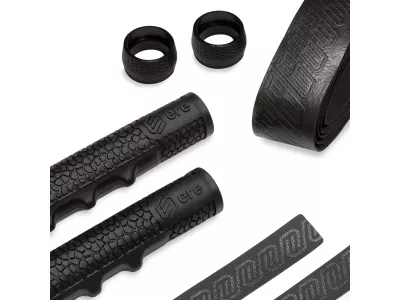
Many riders underestimate how much of an impact well-chosen grips can have on comfort and control. Since they form one of your primary contact points with the bike, they play a crucial role in the riding experience.Don't be afraid to experiment. If your current grips aren't comfortable, replacing them is a relatively inexpensive upgrade with potentially significant benefits.
💡 A useful tip: if you still experience pressure or hand discomfort on longer rides despite having your riding position dialled in, consider ergonomic grips with a wider, flattened support area. They may be exactly what you're looking for.


How to Choose the Right Stem
Selecting the right stem is just as important for comfortable and efficient riding. It influences your riding position, steering responsiveness, and overall bike handling. The PRO range includes stems designed for everything from XC to trail and enduro riding.Aside from clamp diameter, which we covered earlier, here are the main features to consider.
Stem Length
- Short (≤ 60 mm) – delivers quicker, more responsive steering.
- Medium (70–90 mm) – provides a sportier feel while maintaining trail-bike versatility.
- Long (100 mm+) – primarily used when a significantly longer riding position is required.
Stem lengths have changed considerably with the evolution of modern bike geometry, particularly the trend toward longer frame reach measurements. Even modern XC bikes rarely use stems longer than 90 mm.


Changing stem length remains an effective way to fine-tune your riding position, but avoid making drastic changes, as they can significantly alter the bike's handling characteristics.
Angle
A zero-degree stem maintains your current handlebar height. Stems with positive or negative angles allow you to adjust the aggressiveness of your riding position, even when no more headset spacers can be added or removed.For example, the LT model is available with angles of ±6°, ±17°, and ±35°. If you're still experimenting with your setup, an adjustable stem with a range from -30° to +40° can be a very practical option.
As for materials, the choice is usually straightforward, since most stems are made from aluminium alloy. Carbon is primarily found in integrated cockpit systems, where the handlebars and stem form a single unit.


One interesting addition to the PRO lineup is the combination of PRO Tharsis EVO handlebars and the PRO Tharsis stem. In addition to offering a clean, integrated look and extensive adjustability, they feature internal cable routing that helps create a tidy cockpit and a more refined overall appearance.
Riders who enjoy customising their bikes may also appreciate the high-quality decal options.
MTB Saddles
Choosing the right saddle can be one of the most challenging aspects of bike setup, but PRO has made the process considerably easier within its off-road range.The foundation of the lineup is the shortened Stealth Offroad saddle. Its raised rear section provides support, while the carefully refined nose shape allows comfortable pedalling even on extremely steep climbs.
Generous padding improves comfort, and the central cut-out helps relieve pressure on sensitive areas. Riders who prefer a more aggressive riding style may favour the Performance version. Both models are available in 142 mm and 152 mm widths and are particularly well suited to riders who prefer a sporty riding position.


If you're more interested in technical trail or enduro riding, take a look at models such as the MSN 1.3 Enduro. Its shape is designed to support long climbs while maintaining a neutral riding position, and durability is a key part of its design.
It's fair to say that one of these two saddle families will suit most riders. The key is choosing the model that matches your riding style and selecting the correct width based on your sit bone measurement.
Photo source: editorial archive
Similar articles
We tested a range of pedals to help make your choice easier.
Purchasing a new bike is the beginning of many great rides—but only if the bike is set up correctly. So, what should you do after buying a new bike?
Helmets save lives! But how do you actually choose a helmet, what types of MTB helmets are there, and what should your main focus be?

 arrow_outward
