


































































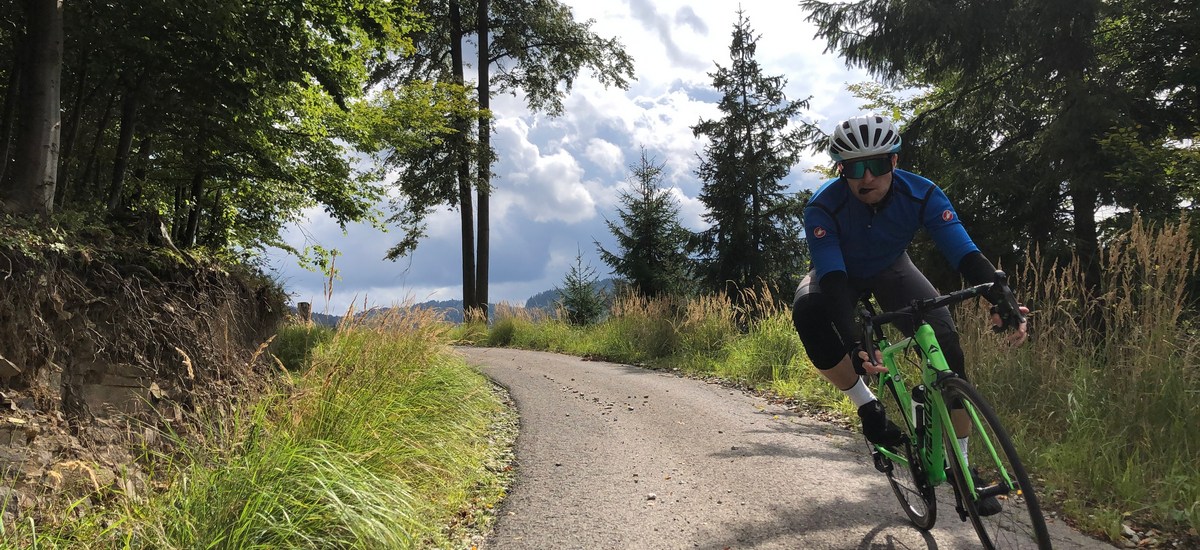
Numb Hands – How to Relieve This Discomfort While Riding
This issue affects many cyclists during their rides. What solutions do manufacturers offer, and what can we change ourselves?
Over the past two seasons, numb hands have become an increasing problem for me, until I made a few changes that significantly improved my overall riding comfort. In this article, I’d like to share specific adjustments that may help you solve this issue as well.I will divide the entire article into several sections:
Bike Fit
This topic could easily fill several articles. Rather than repeating information, I’ll focus on the changes that helped me the most. The foundation of a proper bike fit is the correct relationship between saddle height and handlebar height, often referred to as drop.Generally, the greater the drop, the more strain is placed on the hands and lower back. On a mountain bike, the riding position is usually more upright or slightly forward for better control and climbing efficiency (XCO, XCM). In contrast, road cyclists often aim for improved aerodynamics, making it important to find the right balance between comfort and performance.
After all, there are only three points of contact between the rider and the bike: the pedals, saddle, and the handlebars.
One of the first things I addressed was saddle height. There was a period when I rode with my seat post extended excessively high, which eventually led to lower back pain. I watched several tutorials on setting saddle height correctly, and the position I settled on still works well for me today.
The second adjustment was handlebar height. On my mountain bike, I use a single 10 mm spacer under the stem with a -6° angle. On my road bike, I originally had three spacers under the stem and moved two of them above it. I still haven’t cut the fork steerer, as I’m continuing to test this setup.
In cases like this, a professional bike fit can be extremely helpful. A qualified fitter can identify issues and recommend adjustments that may eliminate hand numbness and other cycling-related discomfort.


Tire Width and Pressure
Another change I made was switching tire width.My road bike originally had 25 mm tires inflated to 7–8 bar. Later, I had the opportunity to test 27 mm tires. I only need to inflate them to 5 bar, and even at this lower pressure, these tires still offer excellent rolling resistance. At that pressure, they provide significantly more comfort and transmit fewer vibrations and impacts to the hands.
Even when commuting to work with a 5 kg backpack, my hands no longer go numb, and I can comfortably ride without gloves.
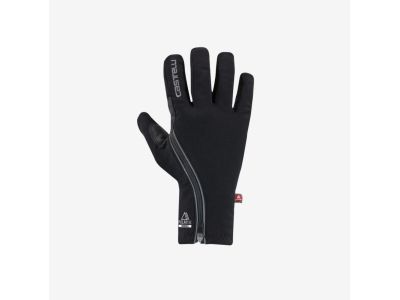
I chose Castelli, which uses its CDS system in its gloves.
If your road bike is set up tubeless, you can often run lower tire pressures and gain additional comfort. Of course, the pressure should remain within a range that does not negatively affect handling or rolling resistance. A tire pressure calculator can be a useful starting point.


Gloves
Although the adjustments mentioned above helped, I still experienced numbness on longer rides. The next step was therefore to buy a pair of gloves. Choosing the right model was important.Ultimately, I chose the Italian brand Castelli, which uses its CDS system in its gloves. The system is designed to reduce pressure on the median nerve in the palm, which is often responsible for hand numbness.
I’m generally skeptical of marketing claims, so I first bought a pair of full-finger MTB gloves, as I needed a replacement pair anyway.
Since I noticed improved comfort on my mountain bike, I also tested them on my road bike. I completed five rides on different surfaces to evaluate the results. The effect was exactly what I hoped for. My hands stopped going numb.
Soon afterward, I added a pair of short-finger gloves to my cart, as they are better suited to road cycling. I used them on long summer rides, daily commutes, and short local spins.
In my case, gloves made the biggest difference. If I forgot them, my right hand would usually start going numb after about an hour of riding.


Exercise
This point is more of a supporting detail, but it’s worth emphasizing that regular exercise, especially core training, can only help. Just 10–15 minutes a day devoted to strengthening the main muscle groups can make a difference. Results take time, but a stronger core helps maintain better posture on the bike and reduces the amount of body weight supported by the hands.I’ll divide the remaining details into two categories: mountain bike adjustments and road bike adjustments.

MTB Bike
For my mountain bike, the first thing I did was replace the grips with ESI grips. Thanks to their material, they provide excellent comfort. The grip remains secure, and your hands do not slip, whether you ride with gloves or without them.In addition to adjusting the stem height, as mentioned earlier, I also slowed the rebound setting on the fork. With a slower rebound, the fork reacts more smoothly, reducing the impact transmitted to the hands. Naturally, suspension settings must still suit your riding style and terrain so that comfort does not come at the expense of performance.
Road Bike
I’ll start with the handlebar tape. For a long time, I’ve been using a Supacaz model. It is 3 mm thick and provides excellent grip, even in wet conditions.This was followed by the previously mentioned changes to stem height and lower tire pressure.


What was the final result?
I’ve outlined several tips here. Some require no financial investment and can be implemented at home, while others involve additional costs. I approached the process gradually, and by combining all of these changes, I eventually achieved the desired outcome. My hands stopped going numb, and riding became significantly more comfortable.The biggest issue now occurs when I forget my gloves. In that case, my hands usually start to go numb after about an hour on the road bike. Sometimes, during an easy ride, I keep the same hand position on the handlebars for too long, and numbness can develop. Simply changing your hand position more frequently can sometimes help.
I hope some of these suggestions help you eliminate this frustrating problem. Of course, the cause may lie elsewhere entirely, and in that case, consulting a medical professional would be the better option.
Photo source: editorial archive
Similar articles
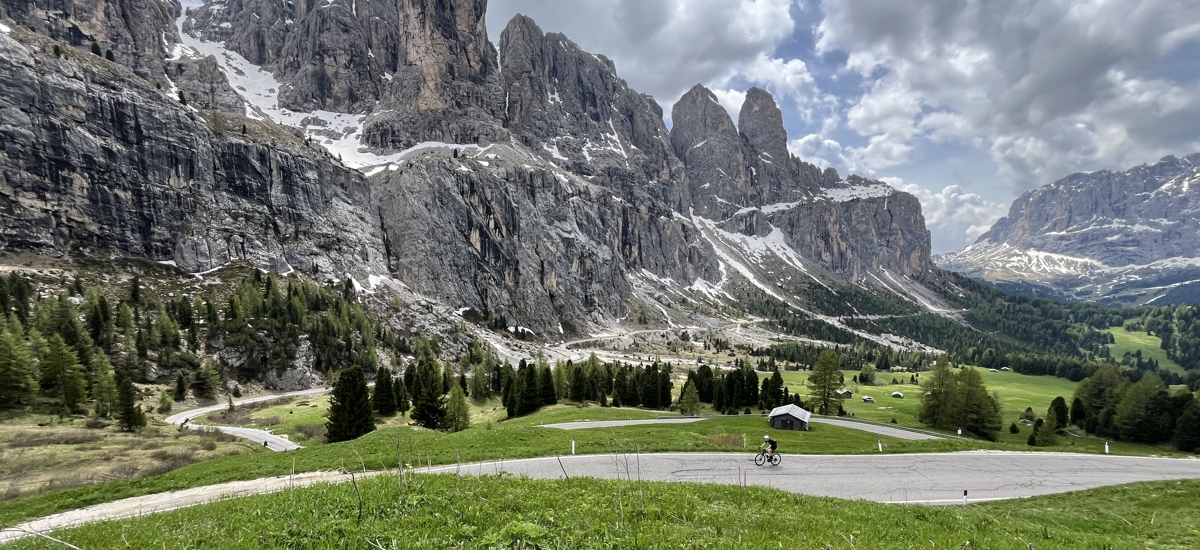
Why should you start road cycling, and what’s important when you’re just starting out? You might find the answer in this article.
 PR article
You don’t need to explain your passions when your outfit speaks for itself. Discover eight versatile pieces, from a waterproof suit to a cap, that transition seamlessly from the trail to the city.

Exercise can improve your strength, increase riding comfort, and help prevent injuries.


 arrow_outward
