



































































The Season Isn’t Over: Train for a Safer and More Comfortable Ride
Exercise can improve your strength, increase riding comfort, and help prevent injuries.
Everyone knows the feeling. You finally get a day at the bike park, motivated and full of energy. You drop into the first trail, and halfway down, your arms are already giving out. A rough section throws you off balance because you don't have the strength to keep the bike under control. Your legs start burning after just a few turns, and active pumping becomes impossible.Fortunately, there’s one thing that can help: training.
Physical Preparation is Key
Many riders are willing to spend €500 on a new shock, convinced it will make them faster and more stable. And to some extent, it can. But the greatest untapped potential isn’t in the bike, it’s in the rider.The best suspension system is the rider’s body: legs and arms that stay active throughout the ride, supported by a strong core that keeps the bike stable and under control.
Investing just a few hours a week in physical training can improve your control and safety more than upgrading components. And it doesn’t have to mean an intense gym program. Effective training can be done at home as well.


4 Reasons Why Off-Season Training Makes You a Better Rider
This article isn’t about specific exercises for the gym or home. There are already plenty of videos and articles online covering training methods, including programs designed specifically for gravity riders.My goal is to encourage you to make the effort and start training, because even a few hours a week can transform your riding. These are the benefits I personally notice after a successful off-season training period.
1. You Become More Resilient to Crashes
Stronger muscles and tendons provide better protection for your body. When you crash, a stronger body can absorb far more impact energy. The difference between falling after a winter of consistent training and falling without any preparation could be the difference between getting back up and suffering an injury that sidelines you for the season.A strong core also improves balance in critical situations, helping you avoid crashes altogether.
Downhill World Cup riders are a perfect example. If you’ve watched them race, you’ve probably seen them recover from situations where most riders would already be on the ground. Skill is certainly part of it, but strength plays a major role as well.
2. No More Exhausted Arms and Legs on Descents
Fatigued arms and legs lead to poor riding posture, reducing both comfort and—more importantly—safety. If you make a mistake, change your line unexpectedly, or hit larger obstacles than anticipated, tired muscles won’t do much to help you recover. When you’re still fresh, your chances of handling the situation without crashing are much higher.I notice this most on long descents and during continuous runs without breaks. The beginning always feels easy, but after a couple of minutes, it becomes obvious whether I put in the work during the off-season. If I didn’t, I quickly become a passenger on the bike rather than the person controlling it.
As control fades, the risk of crashing rises dramatically.



3. More Explosiveness and More Active Riding
Cycling, especially gravity disciplines, isn’t just about coasting downhill. Riders need to pump terrain, absorb impacts, generate speed, and change direction quickly.The rougher the terrain and the faster you ride, the more physically demanding these movements become. Technique alone isn’t enough.
After a solid off-season training period, I feel more connected to the bike, even if I haven’t ridden for several months. I ride more actively, accelerate more effectively, pump terrain more efficiently, and absorb impacts with greater control.
If you want to improve these skills, I also highly recommend spending time on a pump track.
4. You’ll Start the Season Much Stronger
This is probably the biggest advantage of all. While others are dealing with sore muscles, struggling to control their bikes after a minute of riding, and fighting through difficult situations, you’ll have the strength to focus entirely on your technique and enjoy the ride.

My Recommendations
Over the years, I’ve completed several off-season training programs with coaches, skipped a few (which turned out to be a mistake) and more recently, I’ve been training on my own. The key is to listen to your body, discover what works for you, and avoid jumping straight into heavy lifting without first mastering proper technique.A coach can be a great investment, especially one with cycling experience or at least a good understanding of the sport. There are also countless training plans available, both free and paid, including programs specifically designed for downhill riders.
One mistake I made in the past was focusing too heavily on lifting maximum weights rather than developing core strength, explosiveness, and mobility.
I also recommend combining strength training with other activities such as running, hiking (which is my personal preference), or, if conditions allow, ski touring and cross-country skiing. Before taking up running, it’s worth learning the basics of proper running technique to help prevent injuries and other issues.
Finally, don’t overlook recovery. Quality sleep, proper nutrition, and appropriate nutritional supplements can make a significant difference in how well your body adapts to training.
Photo source: editorial archive
Similar articles
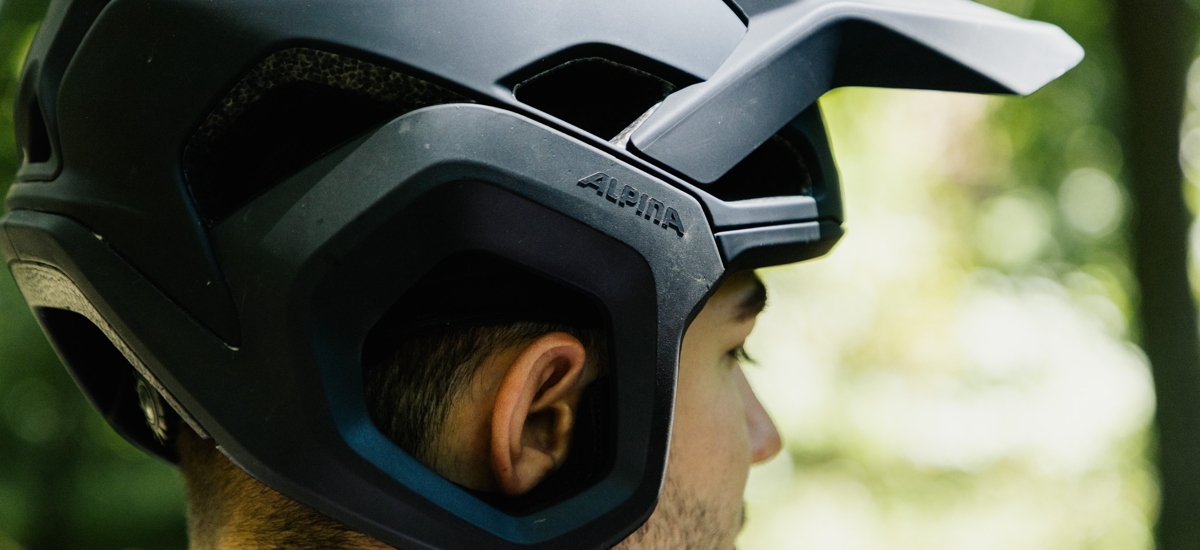
Helmets save lives! But how do you actually choose a helmet, what types of MTB helmets are there, and what should your main focus be?

Downhills, speed, kilometres. Even too much of a good thing can become a problem. So how do you avoid burnout?
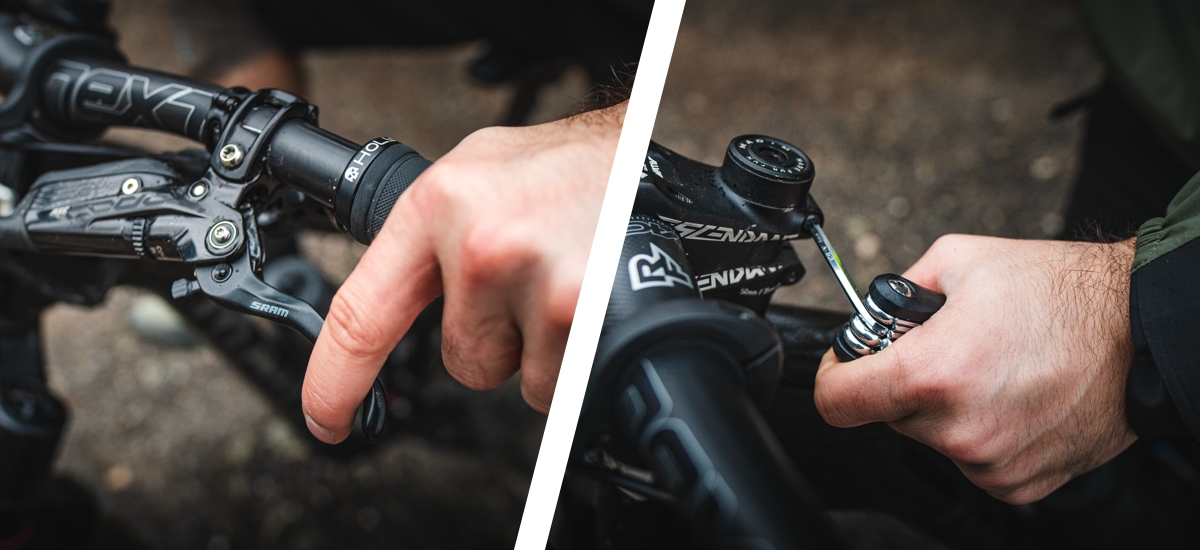
Purchasing a new bike is the beginning of many great rides—but only if the bike is set up correctly. So, what should you do after buying a new bike?
Product selection




Clearance Smartwool Mountain Sunrise Active Short Sleeve Graphic T-shirt, deep navy
57.99 €
RRP 65.99 €

 arrow_outward
