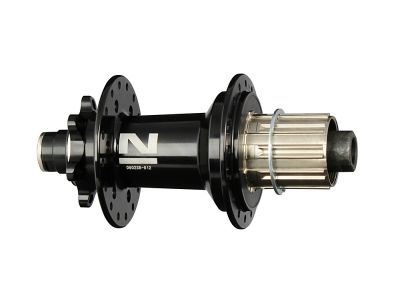
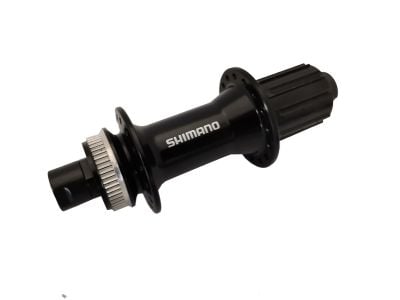
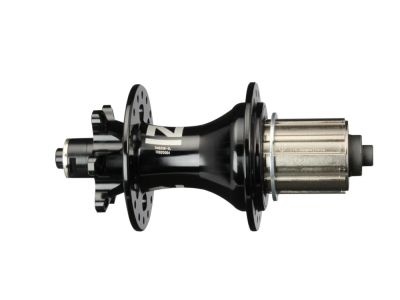
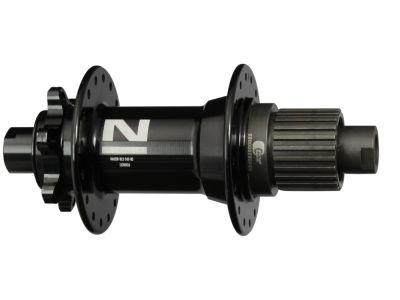
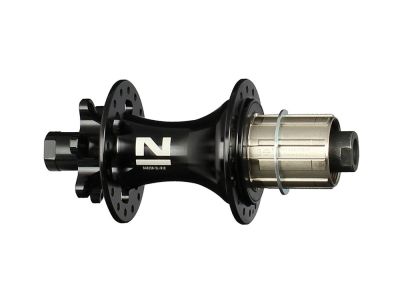
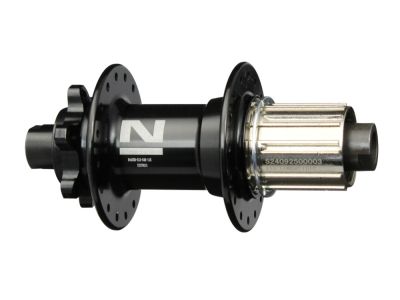
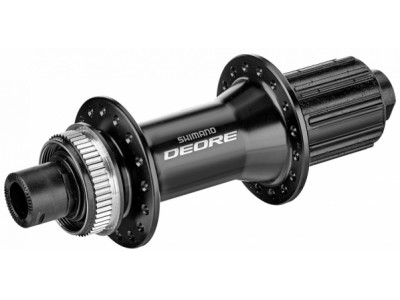
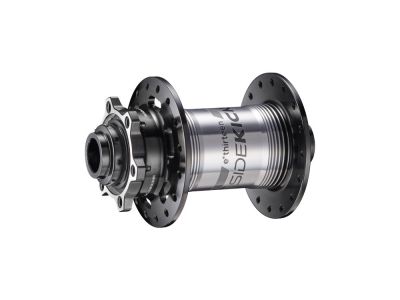
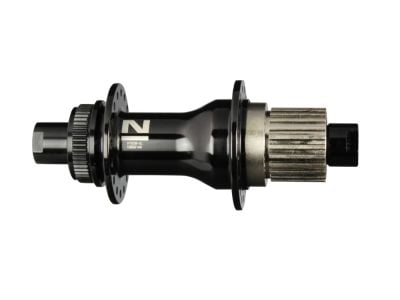
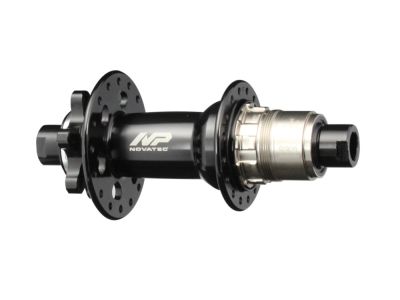
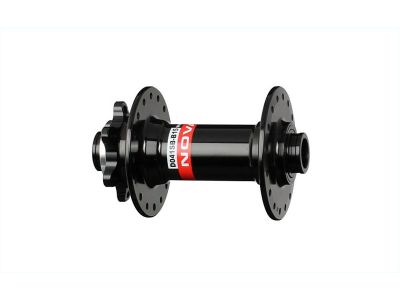
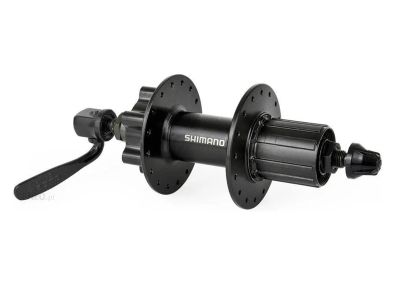
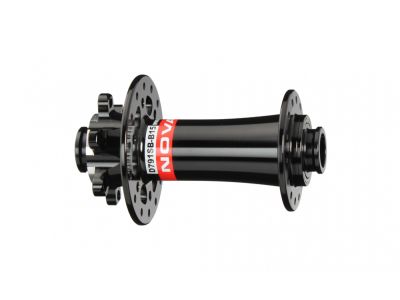
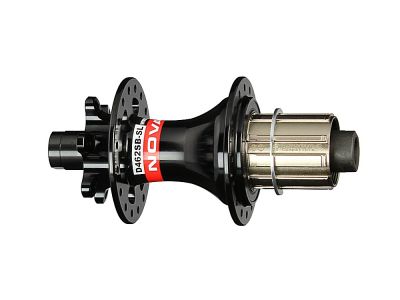
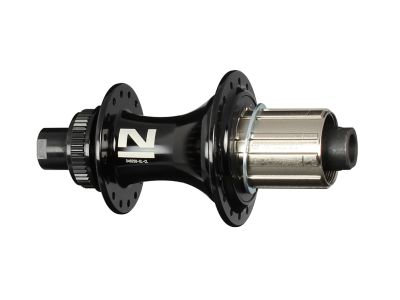
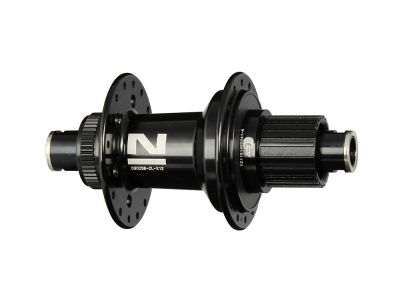
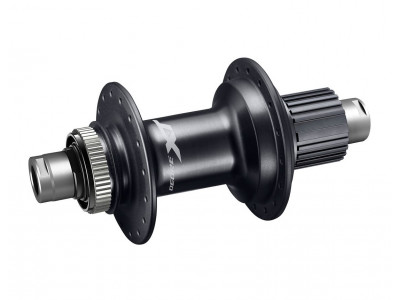
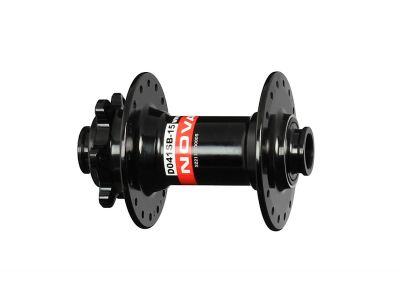
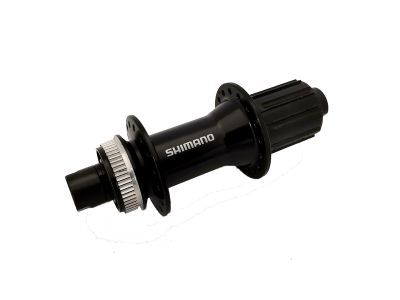
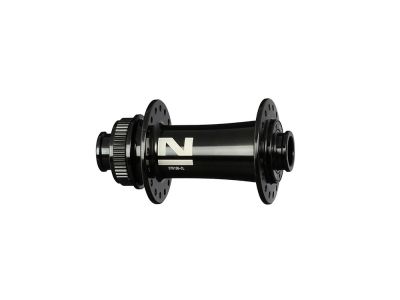
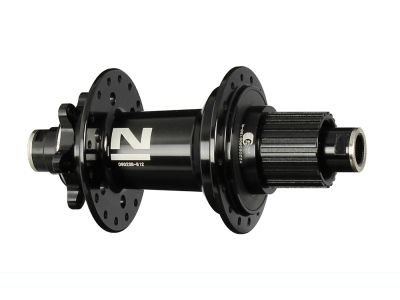
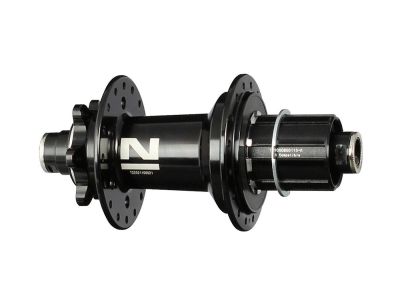
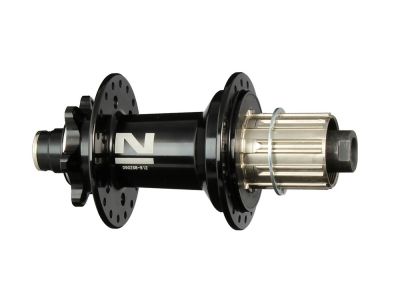
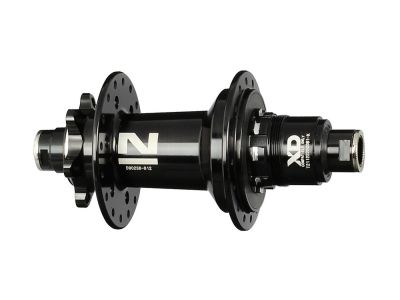
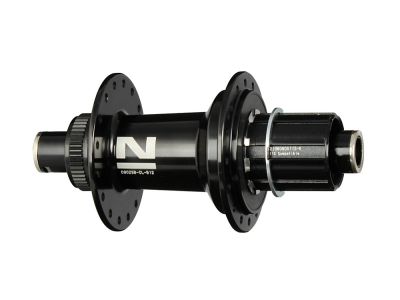
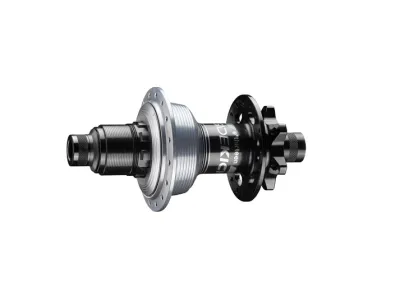
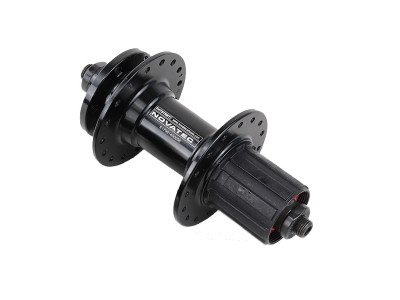
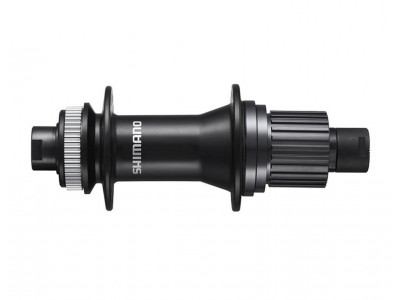
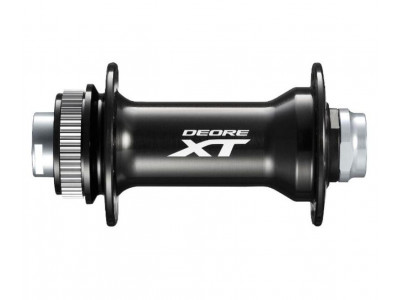
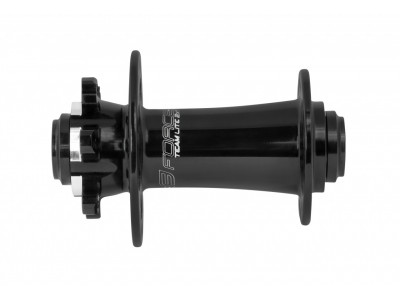
Designed for use with disc brakes, a mountain bike wheel hub is a key component that plays a significant role in the overall performance and functionality of the bike's wheel and brake system. Here is a description of the key features and characteristics of a hub designed for disc brake installation:
- Material: The hub body is usually made of lightweight and durable materials, such as aluminium alloy.
- Bearings: Quality mountain bike hubs are typically equipped with sealed industrial bearings.
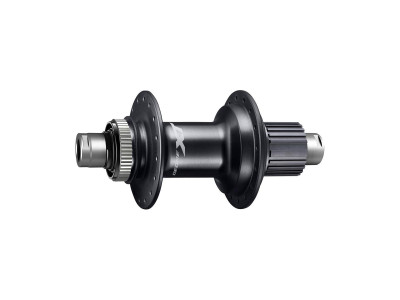
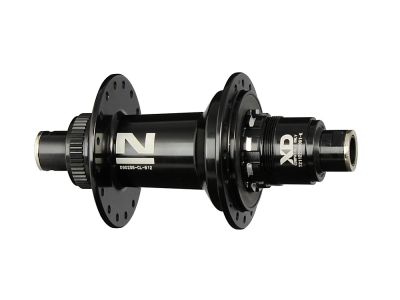
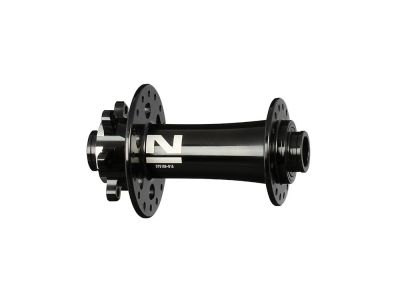
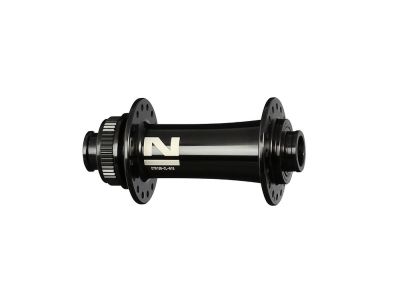
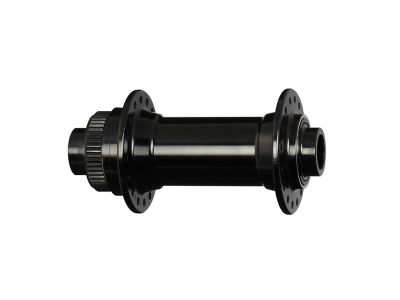
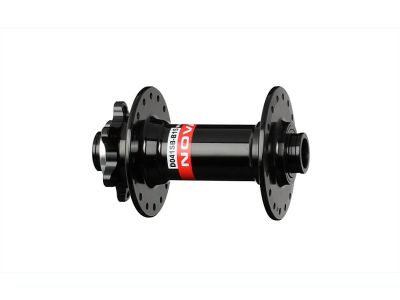
- Disc mounting type: Discs are attached directly to the hub flange using six screws or via a Center-lock adapter.
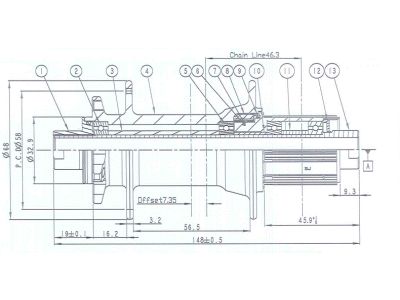
- Hub width: Hub width is an important factor and should match the frame and fork legs of the bike. Common mountain bike hub widths are 100 or 110 mm at the front and 142 mm or 148 mm (Boost) at the rear.
What to consider when choosing an MTB hub?
When choosing a hub, riders should not forget the following features and specifications to ensure compatibility with the bike and other components:
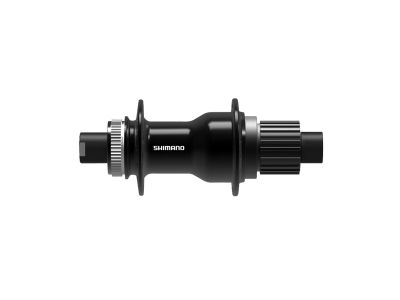
- Hub compatibility: The hub is the part of the hub on which the cassette is installed, its body is designed so that a suitable cassette with a specific number of gears can be installed.
- Frame compatibility: Check if the hub is compatible with the bike's frame and fork. This is mainly about its width and axis (QR, Thru-axle).
- Hub type: Choose between a front or rear hub, depending on which one you want to replace or upgrade.
- Weight: Consider hub weight, as lighter hubs can improve acceleration and overall bike performance.
- Brand and reputation: Choose a reputable brand that is known for producing high-quality cartridges, as this can guarantee reliability and longevity. Verified manufacturers include DT Swiss, Novatec, Shimano.
- Budget: Determine your budget and look for cartridges that offer a good balance between price and quality.
What are the main differences between quick release and thru-axle hubs?
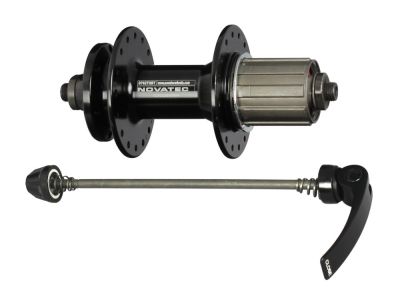
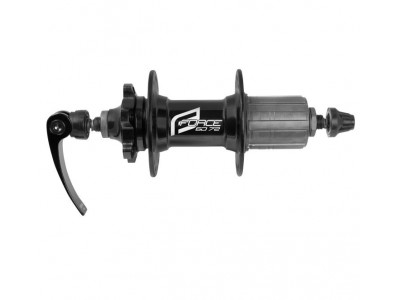
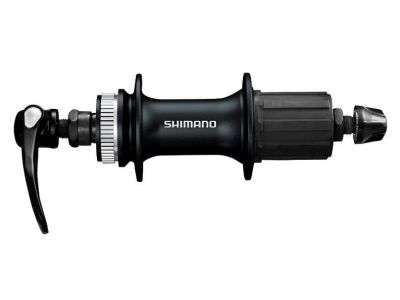
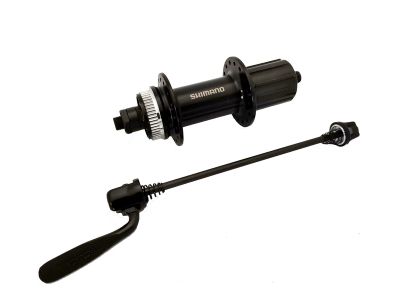
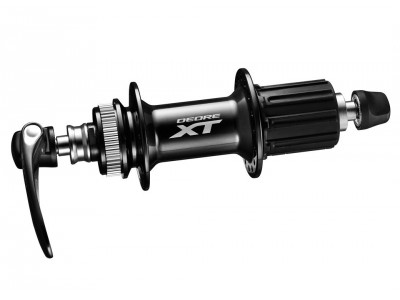
Quick release hubs have been the traditional standard for many years. They consist of an axis that passes through the centre of the hub and is tightened using a lever mechanism. Quick release hubs are usually lighter and easier to use than thru-axle hubs. They enable quick and easy disassembly and assembly of the wheel, which can be advantageous during transport or in the event of a defect. Quick-release hubs are commonly used on road bikes, older mountain bikes, and some trekking and gravel bikes.
Thru-axle hubs are a newer design and are becoming increasingly popular, especially in mountain biking. They use a larger diameter axle that is screwed directly into the thread in the frame or fork hole. Thru-axle hubs provide increased stiffness and stability, resulting in better handling and control, especially off-road. Thru-axles require a specific frame or fork design. It is typically necessary to use an Allen wrench to tighten and remove the axle, which may take a little longer than with a quick-release hub. Thru-axles are commonly found on modern mountain bikes, gravel bikes and some road bikes.
What are the advantages of buying a hub with sealed industrial bearings?
The use of industrial bearings in bicycle hubs mainly brings the following advantages:
- Reliability: Industrial bearings are designed to keep out dirt, water and dust, ensuring better bearing protection. This helps extend their life and reduces the need for frequent maintenance or replacement of bearings.
- Performance: Sealed industrial bearings have a consistent and smooth rolling motion that contributes to the smooth ride and efficiency of the wheel. The result can be better performance and a more enjoyable driving experience.
- Easy maintenance: Industrial bearings are self-contained units that do not require regular lubrication or adjustment. This makes maintenance easier and less time-consuming compared to loose ball bearings, which need to be cleaned and lubricated regularly.
- Reduced friction: The sealed bearing design minimizes friction, allowing the wheel to roll with less resistance. This can result in improved efficiency and potentially increased speed and acceleration.
Because sealed industrial bearings offer longer life, smoother performance, less maintenance and better weather resistance, they are a popular choice for bicycle hubs.
What is the weight of a bicycle wheel hub?
The weight of the hubs on which disc brakes can be installed can vary depending on various factors, such as the construction of the hubs and the materials used. In general, the weight of disc brake hubs can range from about 150 grams to 400 grams and more. Front hubs tend to be lighter than rear hubs because they have a simpler design and do not have a hub for the cassette. A front hub can typically weigh between 150 and 200 grams.







 arrow_outward
