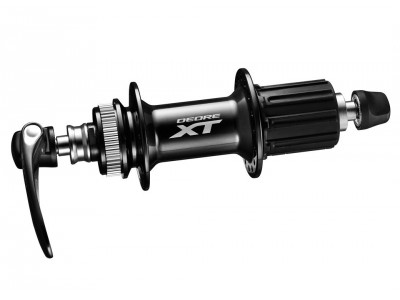
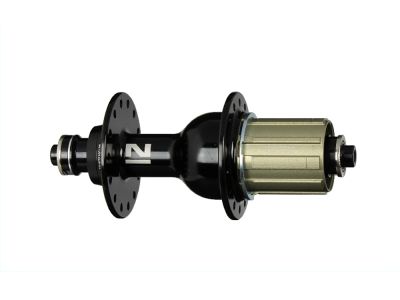
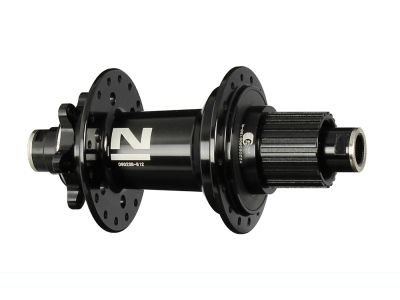
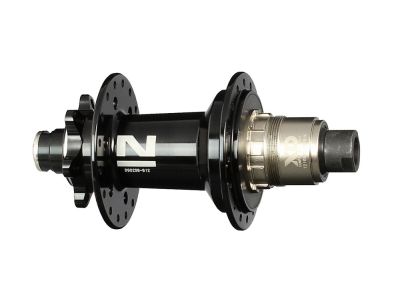
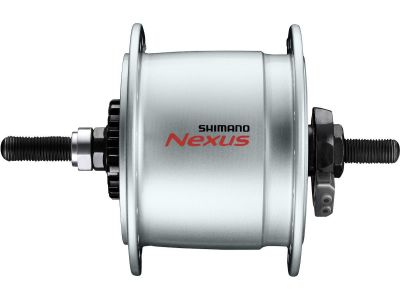
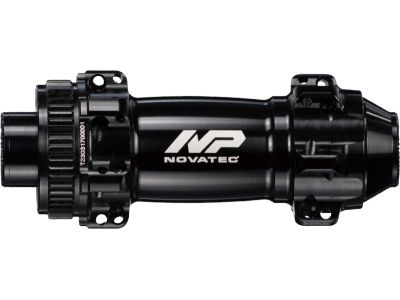
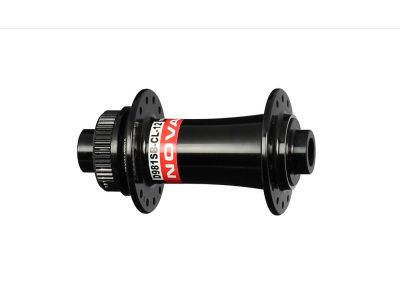
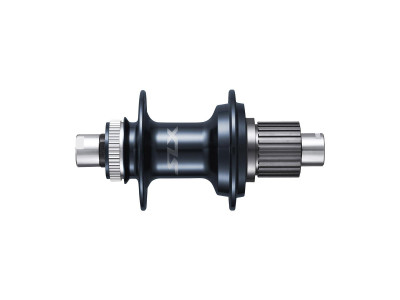
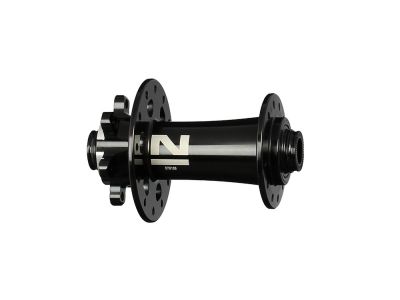
Wheel hubs are an important part of a bicycle wheel. The hub is the central component around which the wheel rotates. It connects the rim and spokes of the wheel and allows them to rotate freely.
There are bearings in the hub that allow the wheel to rotate smoothly. These bearings reduce friction and allow the wheel to rotate with minimal resistance.
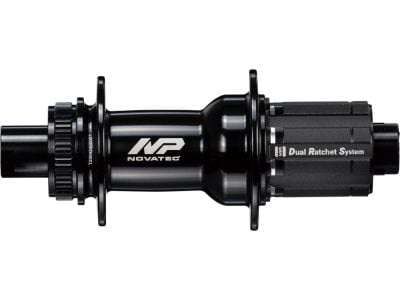
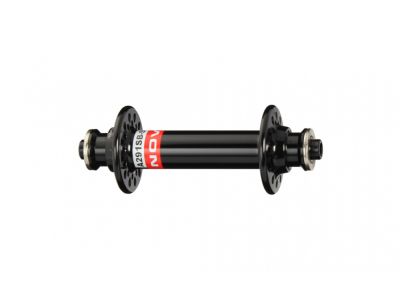
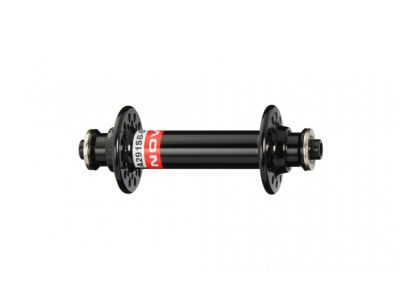
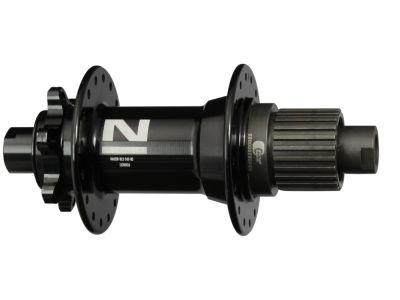
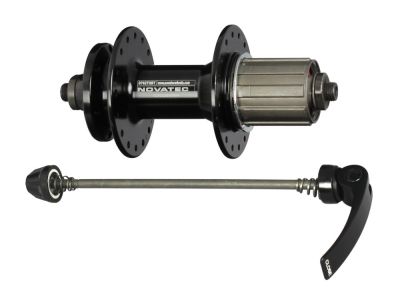
There are different types of hubs, including front hubs and rear hubs. Front hubs are usually simpler and have fewer components, while rear hubs often include additional components such as a freewheel or cassette hub. The basic types of cartridges are:
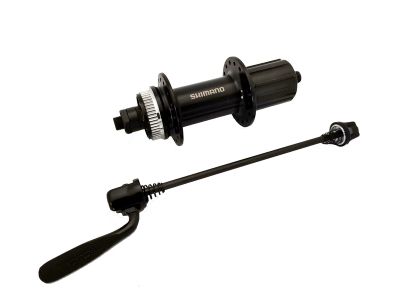
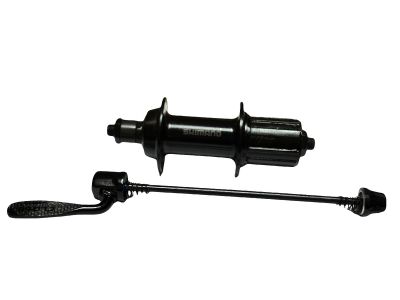
- Traditional quick release (QR) hub: This is the most common type of hub found on many bikes. A quick release axle is used to fasten the wheel to the frame. The axle is inserted into the hub and after tightening, the wheel is firmly clamped in place.
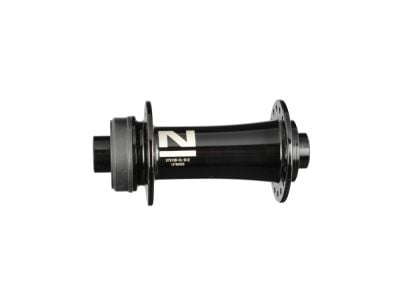
- Fixed axle hub: Fixed axle hubs are becoming more and more popular, especially in mountain biking and when using disc brakes. They use a fixed axle that is inserted through the hub and frame, while a threaded or lever system is used to secure the wheel.
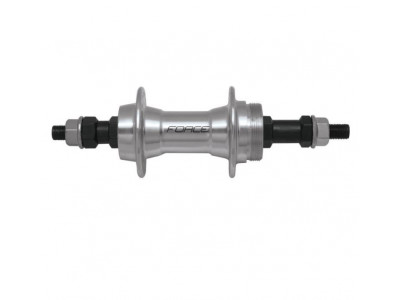
- Fixed gear hub: Fixed gear hubs are designed for single speed bikes. They have a fixed gear connected directly to the hub.
Choosing the right hub for your specific riding needs, whether it's road cycling, mountain biking or any other type of cycling, is important to your bike's performance.
What hubs are available on the market by bike type?
Each type of cartridge has specific parameters to fulfil the function for which it is intended. These are the commonly available types of bicycle wheel hubs:
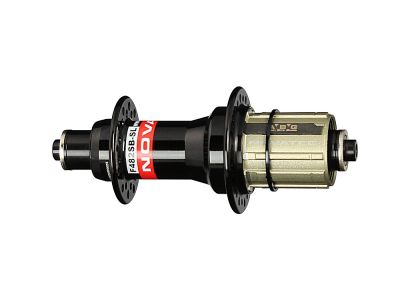
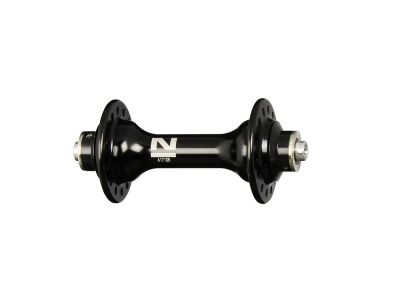
- Road bike hubs: These hubs are designed for road bikes and typically have fewer pinholes, lighter weight, and lower-resistance rolling bearings.
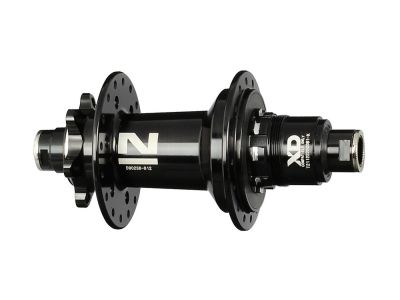
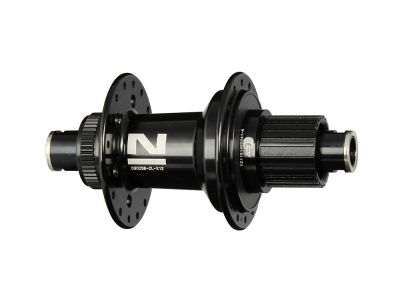
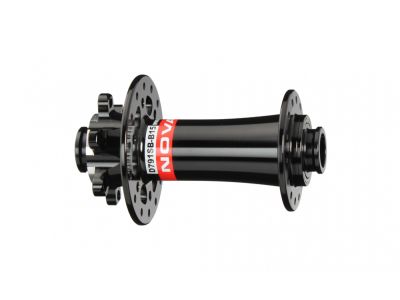
- Mountain bike hubs: Mountain bike hubs are built to withstand off-road conditions and often have a more durable construction and more holes at the tip for strength.
- BMX hubs: BMX hubs are built to handle the demands of BMX riding, featuring a robust construction, high number of spike holes to provide durability for jumps, tricks and rough landings.
What bearings are used in bicycle hubs?
- Tapered bearings: These bearings are adjustable and require regular maintenance. Their advantage is simple maintenance, adjustment and low price.
- Industrial bearings: Industrial bearings are pre-sealed, press-fit and non-adjustable. They require less maintenance, but in case of wear and tear, they may need to be completely replaced. They are commonly found in higher grade cartridges.
What is the compatibility of bicycle hubs with brakes?
Hub compatibility depends on the type of brakes. Here are the common types:
- Rim brakes: These brakes push against the wall of the rim to slow or stop the bike through friction. All standard bicycle hubs are compatible with rim brakes.
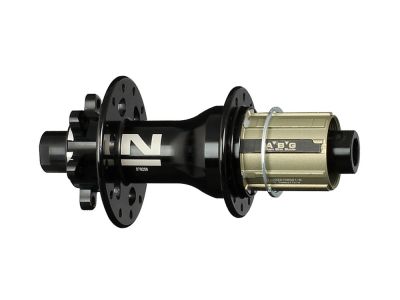
- 6-bolt disc brakes: This type of brake disc is attached to the hub with six bolts. To be compatible, the hub must have a 6-hole platform to mount the brake disc.
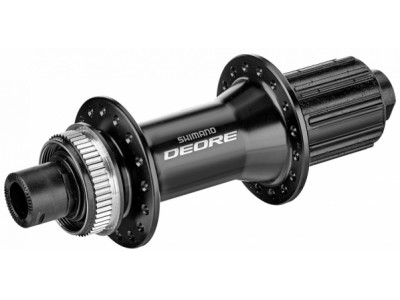
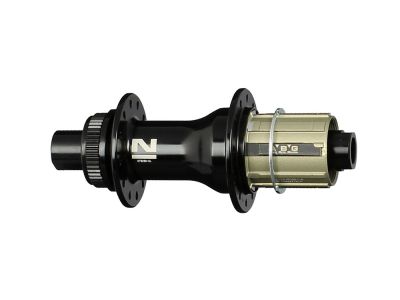
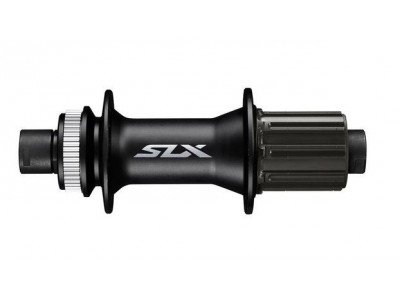
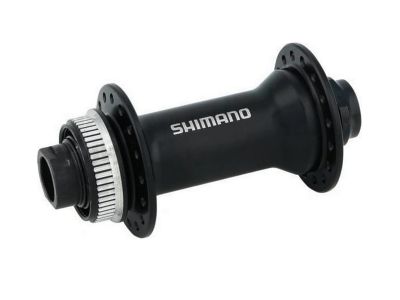
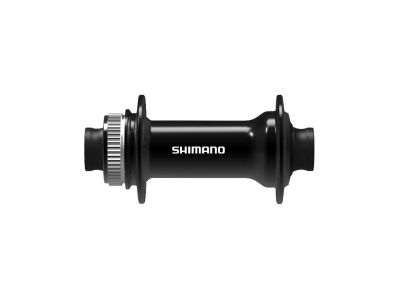
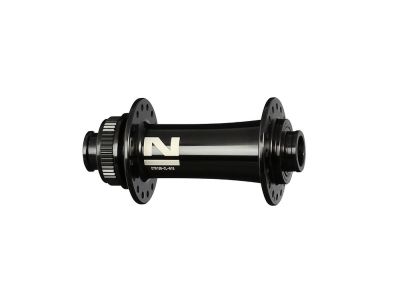
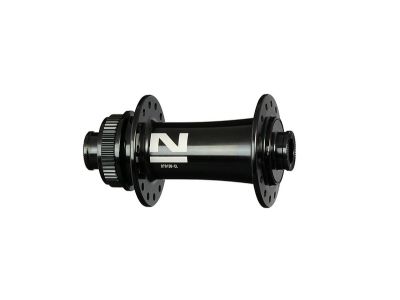
- Center lock disc: Center Lock brake discs have a grooved interface that attaches to the hub with a retaining ring. To be compatible, the hub must have a Center Lock disc brake mounting system.



















































































 arrow_outward
