
































































Differences in Road Bike Frames
While it may not be immediately obvious, road bikes come in several subcategories. So how do you choose the right one?
Although the differences between certain bikes in the professional peloton are becoming less pronounced, recreational cyclists can choose from dozens of models, each with its own unique characteristics.Ultimately, selecting the right bike can be challenging, and it is easy to get lost in the vast range of options. The days when it was enough for a bike simply to have drop handlebars are long gone.
Like vs. Need
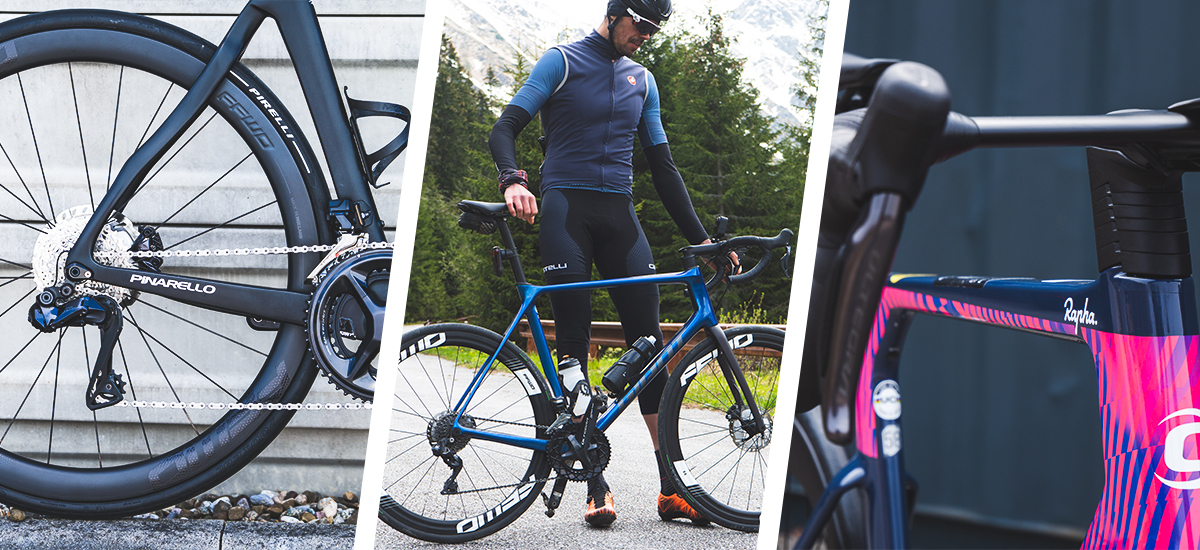
When you mention a road bike, many people (especially Instagram enthusiasts) immediately picture an aero machine: sharply profiled tubes, deep-section rims, an integrated cockpit... but let's return to reality. Many claim that, with road bikes, aerodynamics are everything.The first thing to understand is that if you have been riding, for example, a hybrid bike until now, even a more affordable road bike with a traditional design will offer a significant aerodynamic advantage. The first question you should ask yourself is: "What will I use the bike for?"
This brings us to the basic classification. If we narrow the broad range by excluding fitness bikes, which represent something of an intermediate category, we are left with the following:
- Endurance
- Aero
- Time Trial/Triathlon Bikes
Each category is designed for a different purpose, and we will look at them one by one.


Built for Long Rides
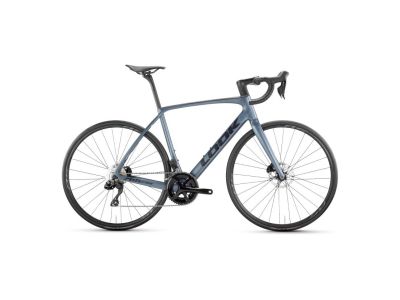
Endurance road bikes are probably the most common category and are also likely the best choice for beginner road cyclists. One of the first questions people ask when choosing their first road bike (and I asked it myself) is whether the riding position will be too aggressive.This is where the endurance bike excels. It offers a more upright position than a race bike while remaining sportier than a gravel bike. The transition to a road-bike position is less dramatic, and it is more accommodating for cyclists with limited flexibility.
If you enjoy long rides or exploring new places, endurance geometry is likely the right choice. Thanks to a shorter reach (the horizontal distance from the bottom bracket to the head tube), a shorter frame, and a taller head tube, the riding position is more relaxed.
The frame may also incorporate various comfort enhancing technologies, such as Trek's IsoSpeed, Specialized's Future Shock, Pinarello's DDS, and others. Carbon can absorb certain road vibrations, but we will explore this topic in a separate article.
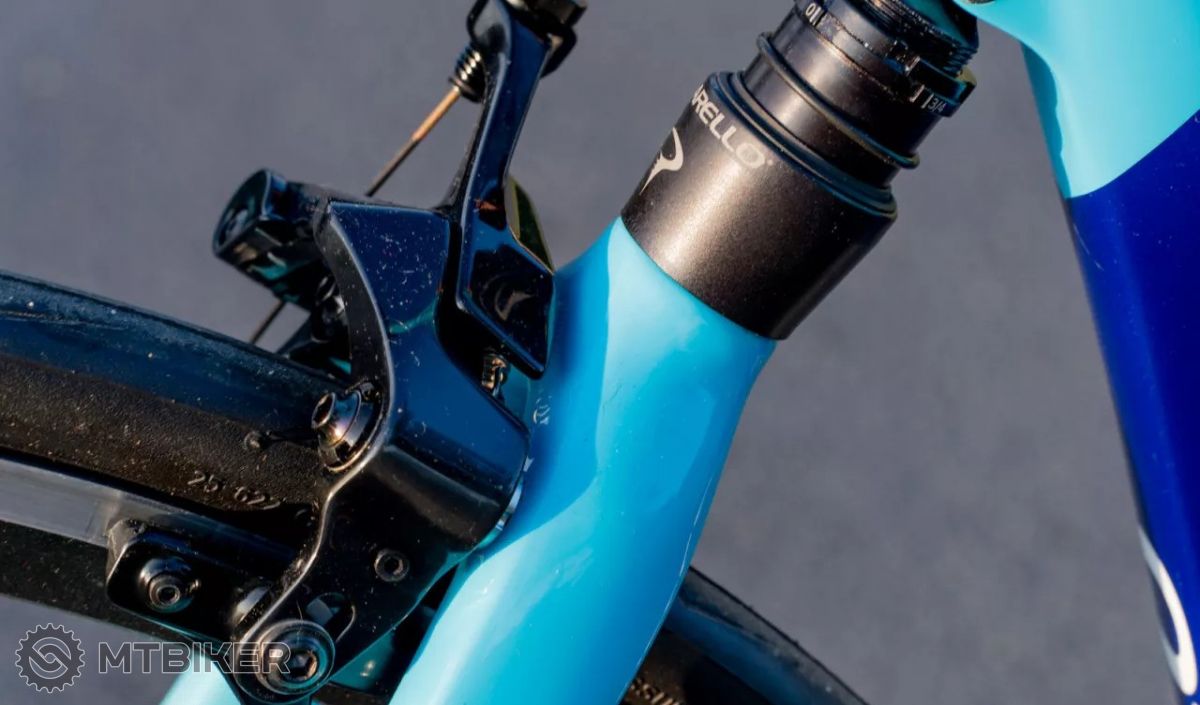
A key feature of endurance frames is their generous tire clearance, typically between 35 and 40 mm. Wider tires further improve comfort on long rides, and when paired with a well-designed frame, additional damping systems may not even be necessary. 🙂
In the Name of Speed
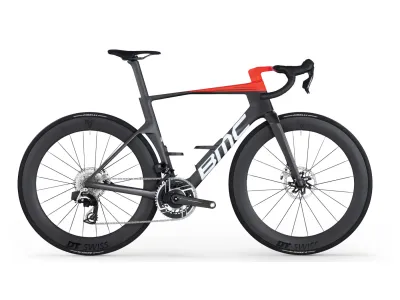
If you are choosing a road bike with serious training or racing in mind, a higher end machine can offer several advantages. While it is certainly possible to race on an endurance bike, you will often have to contend with greater aerodynamic drag and a less responsive frame.The racing category could be divided even further—into aero models focused on minimizing air resistance and climbing bikes designed to keep weight as low as possible.
However, aero bikes are no longer the heavy machines they once were, and many manufacturers now aim to create versatile all-rounders. One characteristic shared across these categories is frame stiffness.

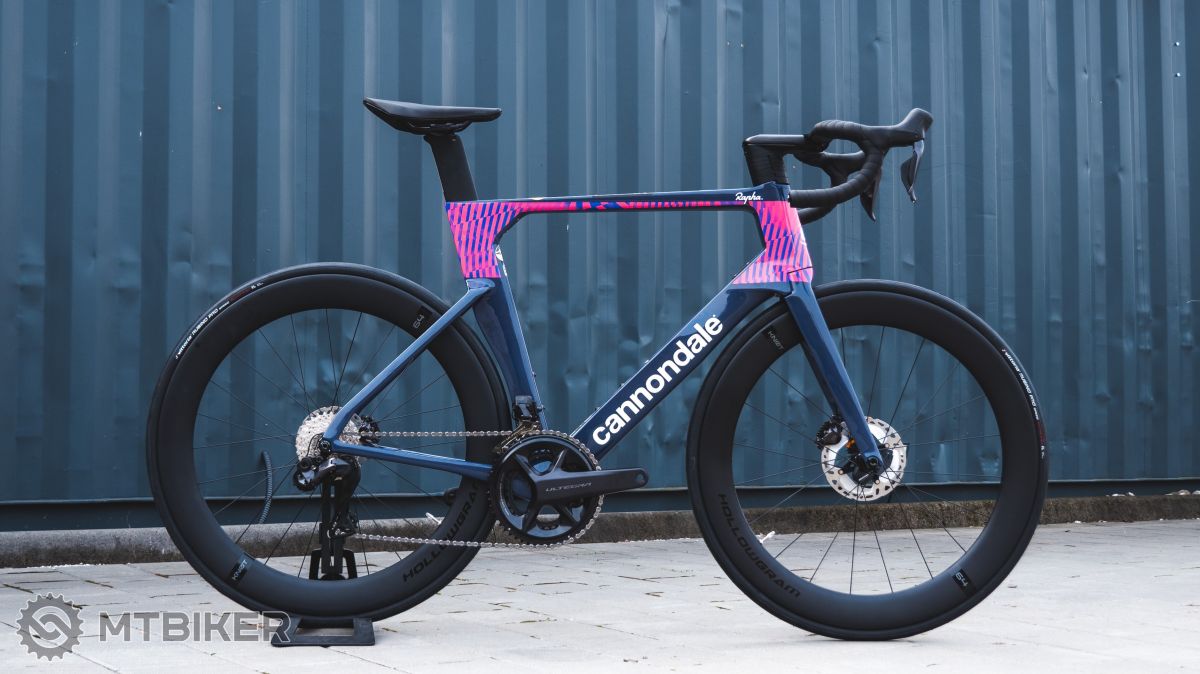
When maximum power transfer is the goal, carbon is the obvious choice. The way the fibres are layered and their density determine the frame's final characteristics. As a general rule, the stiffer the frame, the less comfortable it becomes, and the more noticeable road imperfections feel during the ride.
On the other hand, energy losses are minimal, and riders can clearly feel the bike's responsiveness when pedalling. If we are talking specifically about aero models, aluminium options are rare. And let's be honest, those aero lines are not only functional but also visually striking. 🙂
Race bikes are also characterised by a more aggressive geometry and a pronounced drop — the difference in height between the saddle and the handlebars. Just watch professional cyclists riding in the drops during a race. Their backs are often nearly parallel to the road. 🙂 This position is achieved through a longer reach and a shorter head tube.
In addition to improving aerodynamics, it also promotes more efficient power transfer and pedalling efficiency. A steeper seat tube angle contributes as well.

A particularly distinctive category is the time trial or triathlon bike. These machines are built purely for speed. This is achieved through highly aerodynamic frame profiles, handlebar extensions, specialised geometry, saddle positioning, and dedicated wheel designs.
On the other hand, they are intended for a relatively small group of riders and are rarely suitable for beginners, so we will likely cover them in more detail another time.
The Right Riding Position Is Key
Even the most beautiful or technologically advanced frame is of little use if it is not the correct size. Road bike sizes are often given in centimetres—for example, 54, 56, or 58.However, when choosing a specific model, it is important to understand what that number represents. For one manufacturer, it may refer to the seat tube length, while for another, it may indicate the effective top tube length.

The first measurement to consider is your height, which will help determine the recommended size range. For a more precise fit, you should also consider your inseam length. This helps indicate the relationship between leg length and torso length, which is particularly useful when you are between sizes.
As an example, I'm 188 cm tall, which usually places me between sizes 56 and 58 (L–XL). However, because my legs are slightly shorter relative to my torso, I ride size 56 (L) bikes.
If you find yourself between frame sizes, it is also worth considering how aggressive you want your riding position to be. Choosing the smaller size generally results in a sportier riding position, a more agile bike, and a slight reduction in weight due to less frame material. 🙂
On the other hand, a larger frame may suit riders looking for greater comfort and improved straight-line stability.
To answer the question from the beginning: your body will need some time to adapt when switching to a road bike. Personally, my lower back was slightly sore during the first few rides, but now I hardly remember it. Road bikes also offer the advantage of three primary hand positions, allowing you to choose between comfort and aerodynamics.
I typically use the tops when climbing, the hoods for general riding on flat terrain, and the drops when descending.

If you want complete confidence in your setup, the ideal geometry for your body proportions can be determined through a professional bike fitting. Ideally, you should also test ride your dream bike, for example, during a manufacturer's test day.
Photo source: editorial archive
Similar articles
A road bike is built for speed on asphalt. But can a gravel or trekking bike deliver similar—or perhaps equally satisfying—performance?
Shopping for a bike? We'll help you decide whether buying new or used offers better value.
The selection is vast, prices vary widely, and the number of cycling glasses available seems endless. How do you make sense of it all and choose the right pair?


 arrow_outward
