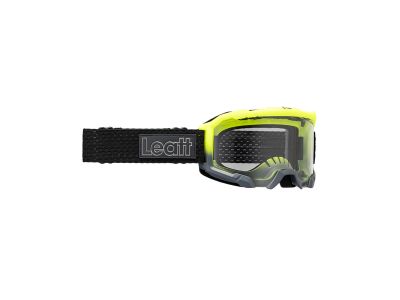
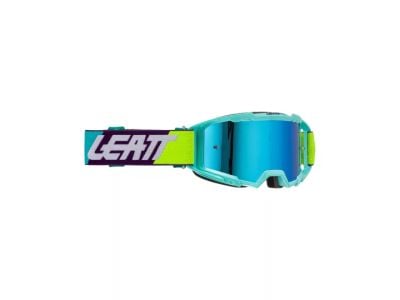
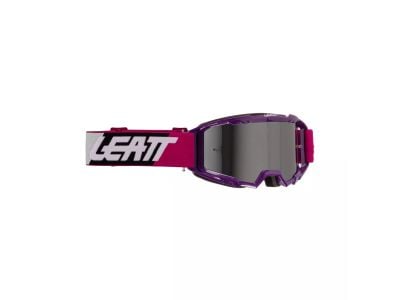
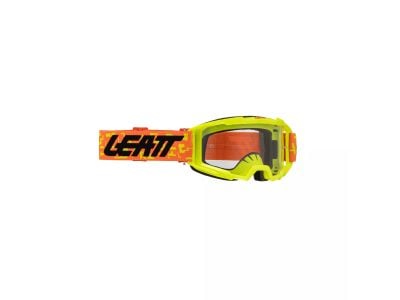
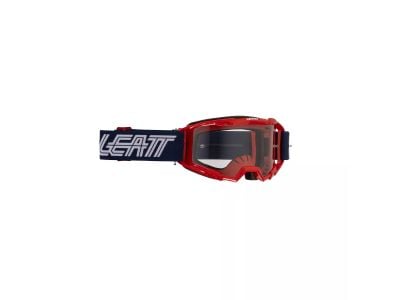
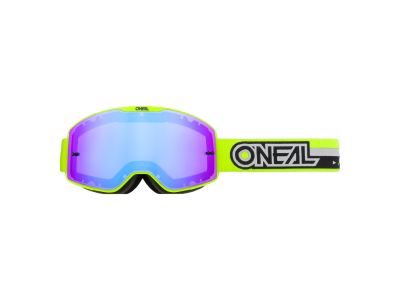
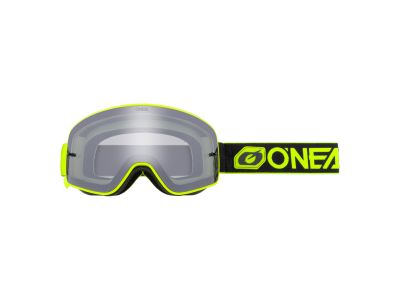
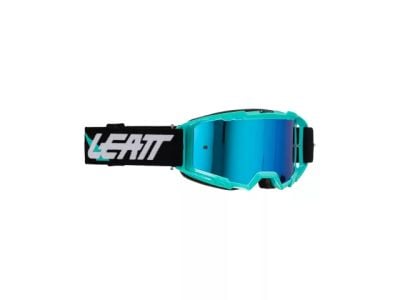
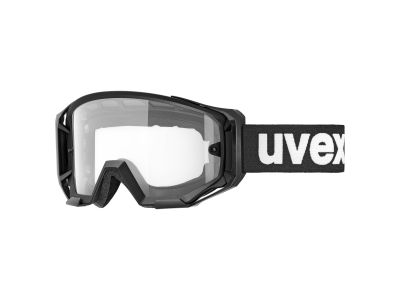
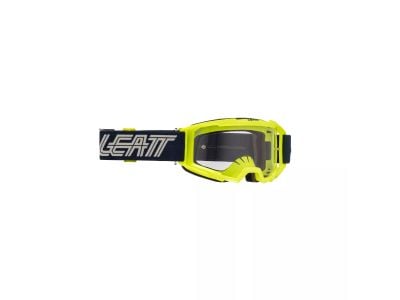
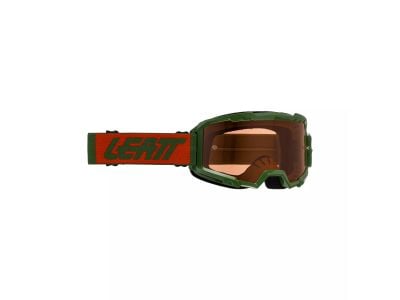
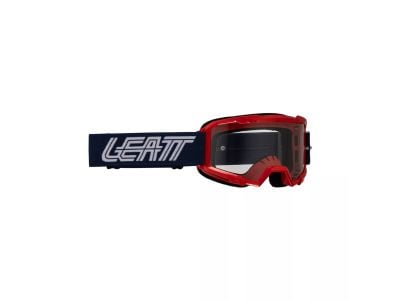
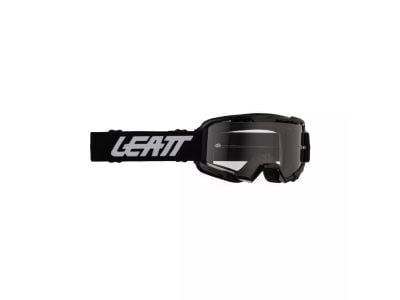
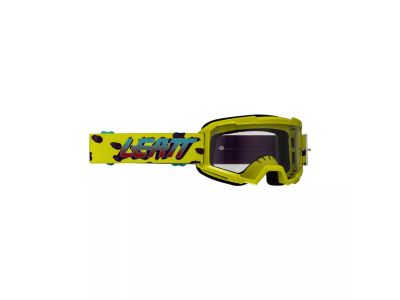
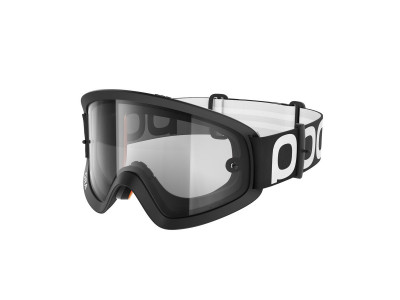
Downhill goggles are designed for uncompromising riding in challenging terrain, bike parks and downhill trails. These downhill cycling goggles are a key safety feature that you must use in combination with an integral full-face helmet. When choosing downhill (DH) cycling goggles, it is necessary to consider the criteria aimed at maximum safety, unrestricted visibility and comfort, which are essential for riding at high speeds and in difficult terrain.
How to choose DH goggles and what to consider when choosing?
When choosing downhill goggles, remember to consider these factors:
Helmet compatibility (Fit)
This is the most important criterion, because DH goggles must fit perfectly with the full-face helmet.
- Frame shape and size: The goggles should fit snugly against your face without gaps, but they should also fit snugly into the helmet cutout without pressing on your nose or restricting movement. It's best to try the goggles on with your DH or enduro helmet.
- Strap: The strap must be wide enough and equipped with silicone elements (strips) on the inside to hold firmly on the smooth surface of the helmet and not slip during aggressive riding and shocks.
Quality and type of lens
The lens is critical for DH goggles in terms of safety and vision.
- Impact resistance: Choose lenses made of high-impact polycarbonate or other impact-resistant materials (e.g. Lexan®) that won't shatter into pieces when hit by a stone or dropped.
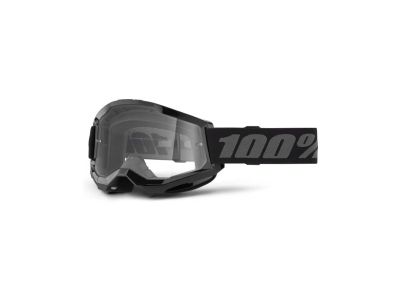
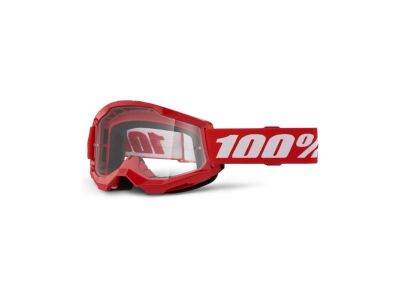
- Anti-Fog: Riding at high speed followed by a climb or a short stop leads to rapid fogging. Quality goggles have an Anti-Fog treatment or are equipped with double (double-layer) lenses for better thermal insulation.
- UV protection: The lens must provide 100% protection against UVA, UVB and UVC radiation.
- Wide field of view: The frame and lens design should be as wide as possible to minimize “tunnel vision” and provide excellent peripheral vision.
Optical properties and lighting conditions
Given the dynamic environment of downhill cycling, where bright sunlight constantly alternates with dark forest sections, the quality, and type of lens is critical for safety and performance. When choosing optics, consider the following aspects in particular:
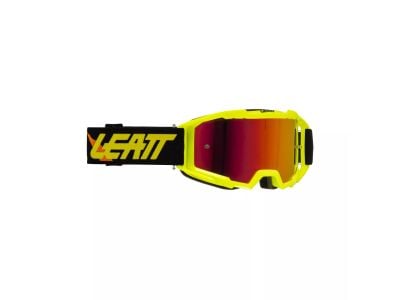
- Lens tinting and contrast: Different lens colours (such as yellow, orange, or special contrast technologies such as HiPER/Clarity) are designed to highlight terrain details and improve contrast perception. This is key for quickly recognizing roots, rocks and bumps, especially in the shade.
- Light Transmission Rating (VLT): This rating determines how much light the lens lets through. Downhill cycling often uses lenses with a low filter rating (e.g. S0 or S1), which are optimal for low light, riding in deep woods, twilight, or on cloudy days when the primary function of the glasses is protection.
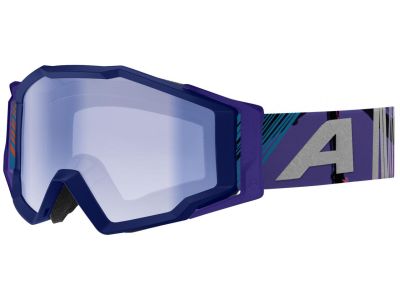
- Photochromic lenses: If you're looking for maximum versatility, consider photochromic lenses. These automatically change their tint (light transmission) in response to UV intensity, seamlessly adapting to changing light conditions on the track.
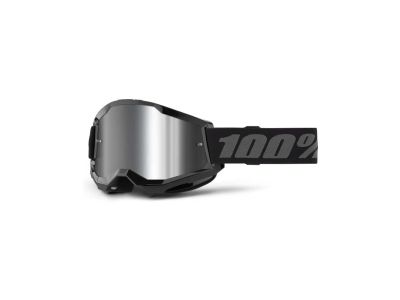
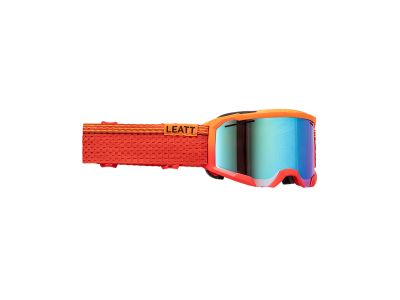
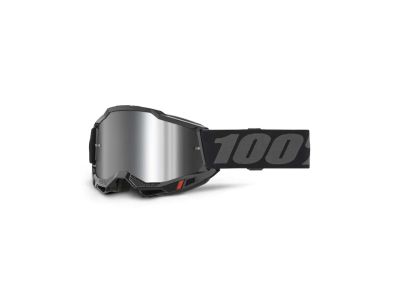
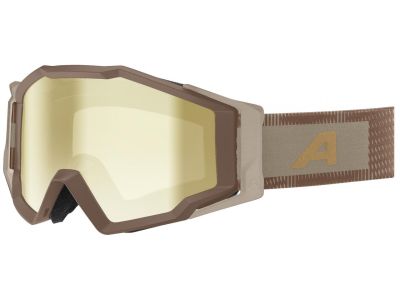
- Mirrored and tinted lenses: These are designed for riding in bright, open terrain where you need maximum protection against sun glare and brightness reduction.













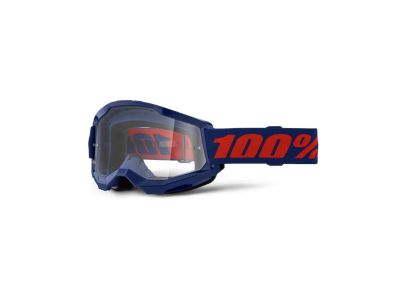


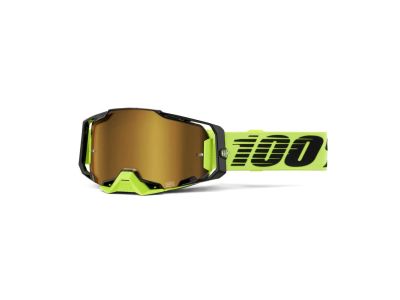
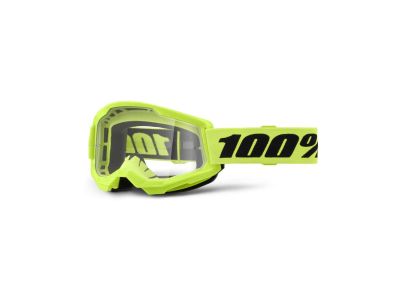

 arrow_outward
