
Shimano Deore BL-T610 brake levers, right + left, V-brakes
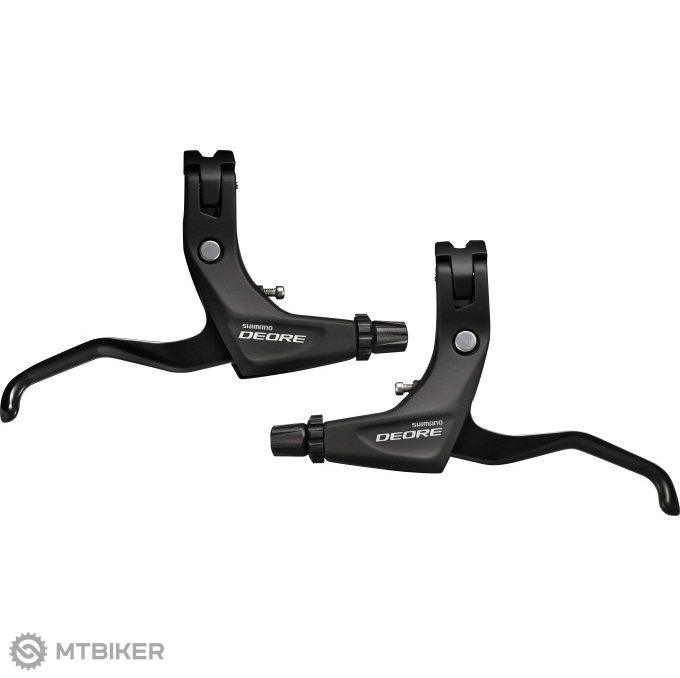




The Shimano Deore BL-T610 Trekking levers offer a sporty appearance, are easy to control and easy to maintain. In addition, the lever allow a smooth and seamless operation.
Features
- Integral stop for silent lever return
- Open clamp with joint for a quick and easy installation
- I-spec B compatible - securing the shift lever on the brake lever
Product features
- Use: Trekking, MTB
- Group: Deore
- Model: BL-T610
- Brake type: V-Brake (rim brake)
- Lever length: 2-Finger
- Mount: left+right
- Open Clamp: Yes
- Reach adjustment: Yes, with tool
- Cable adjustment: Yes, without tool
Material
- Aluminum
Color
- black
Weight
- approx 205g (pair)
Scope of delivery
- 1 Shimano Deore Brake Lever BLT610 Set incl. brake wires and brake cables
|
Internal stop for silent lever engagement
|
|
Clamp suitable for I-SPEC shifting
|
|
Compatible with V-brake and mechanical disc brakes
|
| Brake type | mechanical |
| Material | aluminium, steel |
| Mounting type | clamp |
| product ID | 8999 |

WARNING
For assistance with installation, adjustment and replacement of the products which are not found in the user's manual, please contact the place of purchase or a distributor. A dealer's manual for professional and experienced bicycle mechanics is available on our website (https://si.shimano.com).
For safety, be sure to read this "user's manual" thoroughly before use, follow it for correct use, and save it so that you can refer back to it at any time.
The following directions should always be followed in order to prevent personal injury, damage to equipment or damage to the surroundings. The directions are classified according to the degree of danger or damage which may occur if the product is used incorrectly.
DANGER – Failure to follow the directions will result in death or serious injury.
WARNING – Failure to follow the directions could result in death or serious injury.
CAUTION – Failure to follow the directions could cause personal injury or physical damage to equipment or surroundings.
WARNING
- Because each bicycle may handle differently depending on the model, learn the proper braking technique (including pressure on the brake lever and bicycle control characteristics) and operation of your bicycle. Improper use of the bicycle's brake system may result in a loss of control or fall, which could lead to serious injury.
- Do not disassemble or modify the product. It may cause the product to not operate correctly, and you may fall unexpectedly and be seriously injured.
- Do not apply the front brake too strongly. If you do, the front wheel may lock and the bicycle may topple forward, and serious injury may result.
- Because the required braking distance will be longer during wet weather, reduce your speed. Apply the brakes well in advance and gently. You may fall or collide and be seriously injured.
- Wet road surfaces can cause tires to lose traction. To avoid this, reduce your speed and apply the brakes well in advance and gently. If the tires do happen to lose traction, you may fall and be seriously injured.
- Do not allow any oil or grease to get onto the brake shoes. If the bicycle is ridden with oil or grease on the brake shoes, the brakes may not work correctly, and serious injury could result due to a fall or collision.
- Do not use the brake cable if it is rusty, frayed or cracked. If you do, the brakes may not function correctly.
Disc brake
- In addition, be very careful to keep your fingers well away from the rotating disc brake rotor. The disc brake rotor is sharp enough to cause severe injury to your fingers if the fingers get caught in the openings of the moving rotor.
- Do not touch the calipers or disc brake rotor during or immediately after riding the bicycle. The calipers and disc brake rotor become hot when the brakes are applied, so you may be burned if you touch them.
- Do not allow any oil or grease to get onto the disc brake rotor and brake pads. If the bicycle is ridden with oil or grease on the disc brake rotor and brake pads, the brakes may not work correctly, and serious injury could result due to a fall or collision.
- Check the brake pad thickness, and do not use the brake pads if they are at a thickness of 0.5 mm or less. Doing so may cause the brakes to not function correctly, and serious injury may result.
- Do not use the disc brake rotor if it is cracked or deformed. The disc brake rotor may break, and serious injury may result due to a fall. Replace the disc brake rotor with a new one.
- Do not use the disc brake rotor if its thickness is 1.5 mm or less. Also, do not use it if the aluminum surface is visible. The disc brake rotor may break, and serious injury may result due to a fall. Replace the disc brake rotor with a new one.
CAUTION
Breaking-in period
- Disc brakes have a bedding-in period, and the braking force gradually increases as the bedding-in period progresses. Be sure to avoid any such increases in braking force when using the brakes during the bedding-in period. The same situation occurs when the brake pads or disc brake rotor are replaced.


All the answers to questions about delivery, payment, security, returns, warranty and much else.
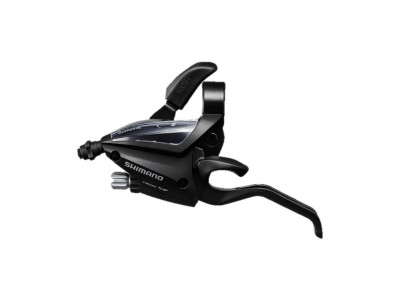
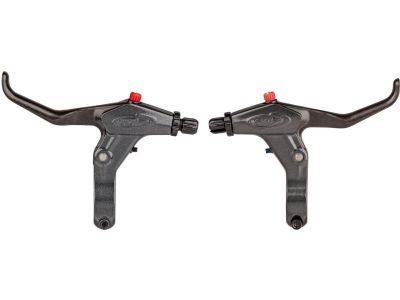
-18% Shimano Alivio BL-T4000 brake levers, left + right, V-brakes
16.39 €
-18%
RRP 27.99 €

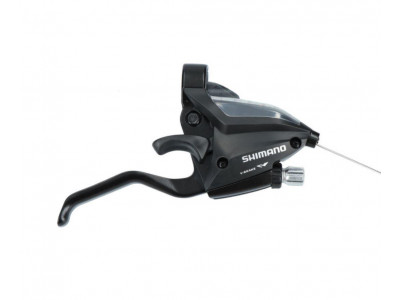
-39% Shimano ST-EF500 right gear shift/mech. brake lever, 8-sp., with indicator
15.29 €
-39%
RRP 25.99 €
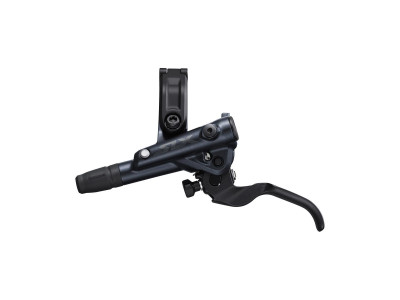
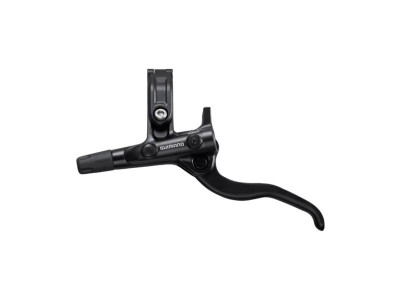
savings Shimano SLX BL-M7100 hydraulic brake lever, left, I-Spec EV
29.99 €
savings
RRP 46.90 €
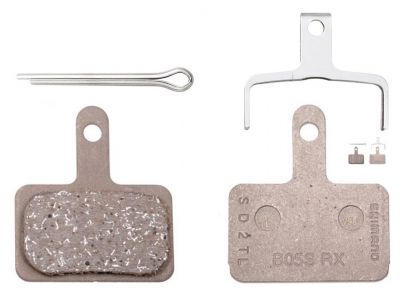
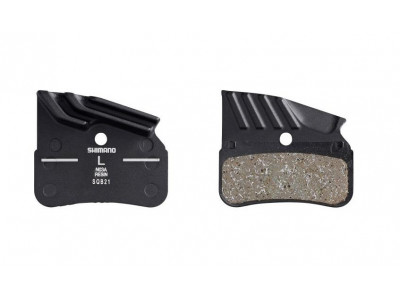
savings Shimano N03A brake pads with cooling fins, for 4-piston brakes, resin
17.09 €
savings
RRP 30.99 €
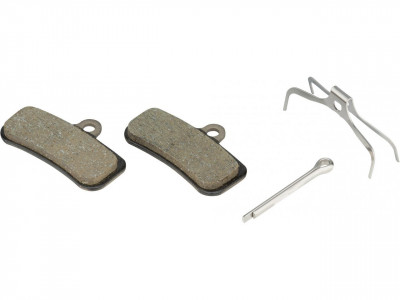
savings Shimano D03S brake pads, for 4-piston brake calliper, resin
12.39 €
savings
RRP 23.99 €
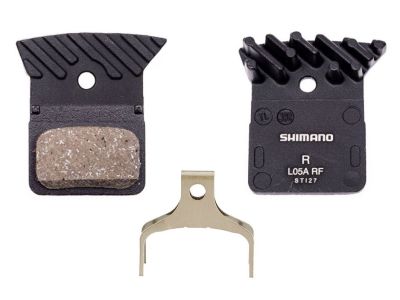
savings Shimano L05A-RF brake pads with cooling fins, resin
12.99 €
savings
RRP 25.99 €
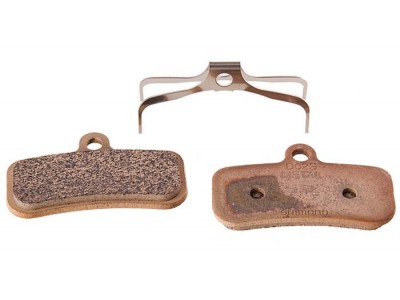
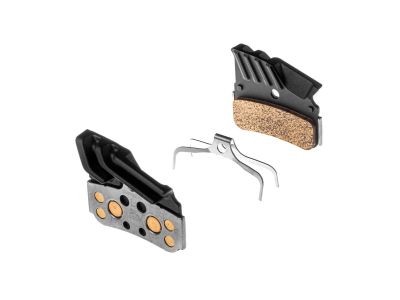
savings Shimano N04C brake pads with a cooler, for 4 piston brakes, metallic
23.99 €
savings
RRP 42.99 €
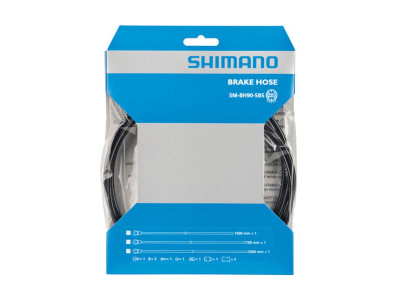
Sale savings Shimano SM-BH90-SBS hydraulic hose, 1 700 mm
26.99 €
savings
RRP 39.99 €
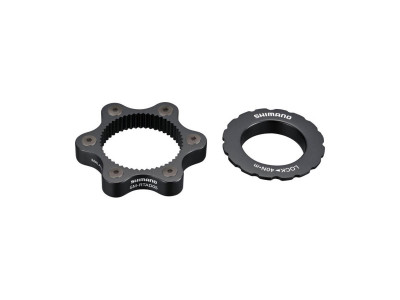
savings Shimano brake disc mounting adapter, 6 bolt Center Lock
12.69 €
savings
RRP 20.99 €
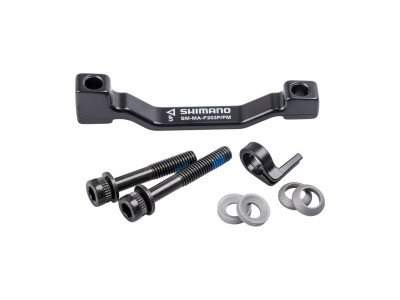
savings Shimano front/rear adapter, 180 to 203 mm, Post Mount
7.59 €
savings
RRP 13.99 €
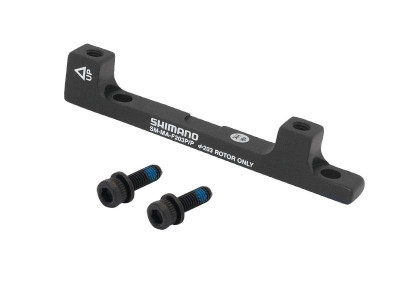
savings Shimano adapter, front/rear, Post Mount, for 203 mm brake disc rotor
6.09 €
savings
RRP 11.99 €
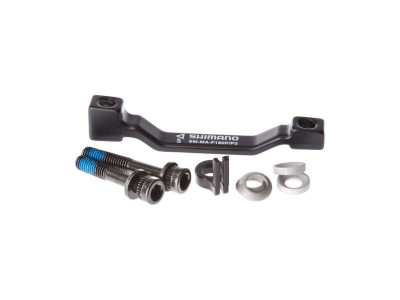
savings Shimano Post Mount SM-MA disc brake mount adapter, front/rear, 180 mm
7.09 €
savings
RRP 13.99 €
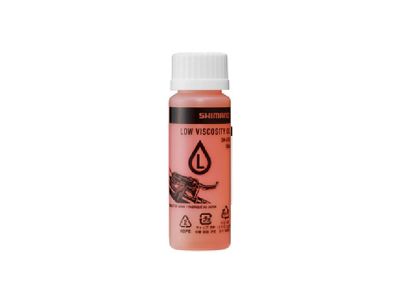
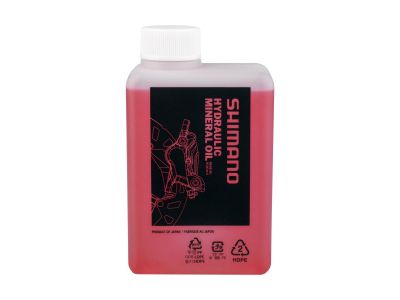
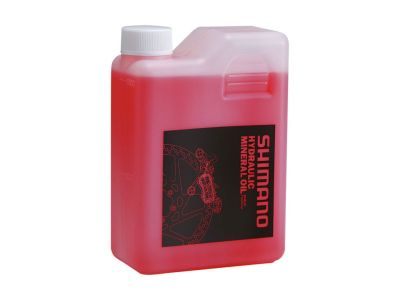
savings Shimano mineral oil for hydraulic brakes, 500 ml
12.59 €
savings
RRP 20.99 €


savings Shimano SM-LVOIL low-viscosity brake oil, 500 ml
24.99 €
savings
RRP 35.99 €
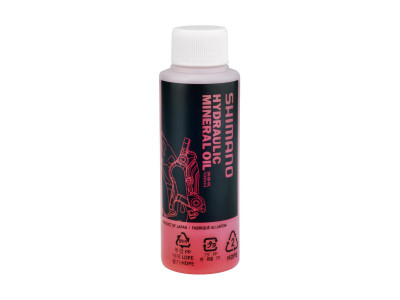
savings Shimano mineral oil for hydraulic brakes, 100 ml
6.49 €
savings
RRP 12.99 €
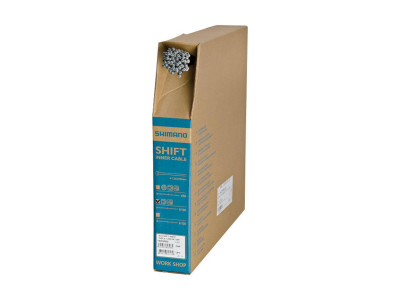
-11% Shimano shift cable, Ø-1.2 x 2 100 mm, stainless steel
1.59 €
-11%
RRP 2.49 €
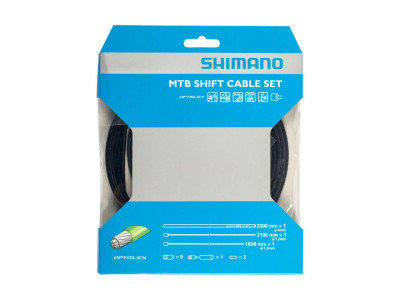
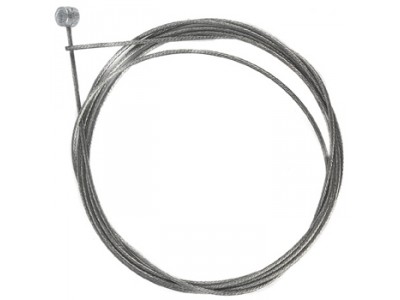
savings Shimano MTB brake cable, Ø - 1,6 mm x 2 050 mm, stainless steel
1.99 €
savings
RRP 2.99 €
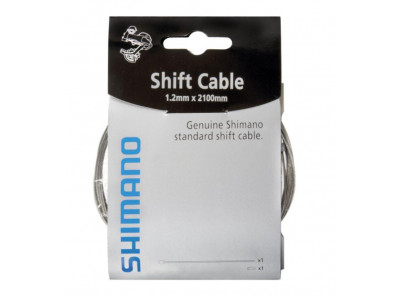
savings Shimano shift cable, Ø-1.2 mm x 2 100 mm, incl. cable end cap
2.19 €
savings
RRP 4.39 €
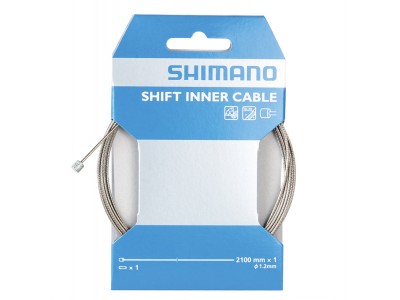
savings Shimano shift cable, Ø-1.2 x 2100 mm, stainless steel, with cable end cap
3.19 €
savings
RRP 6.99 €

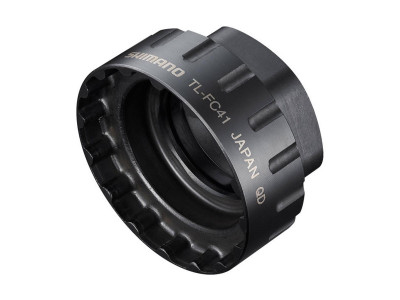
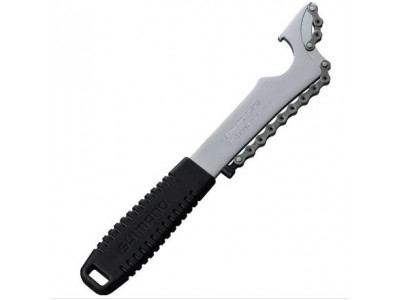
Sale -21% Shimano TL-SR23 6-11-speed compatible sprocket remover
30.99 €
-21%
RRP 66.90 €
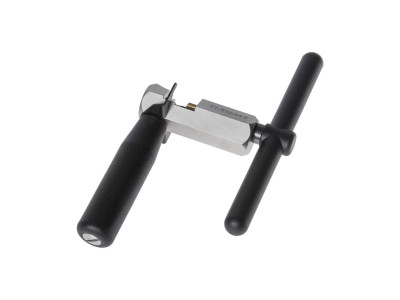
Clearance -17% Shimano TL-CN34 riveter for IG/HG/UG 6-11 speed chains
66.99 €
-17%
RRP 105 €
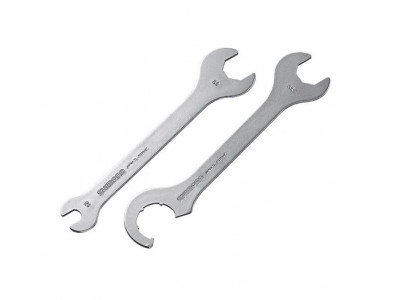
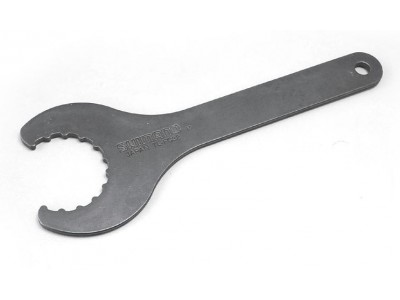
savings Shimano TL-FC32 Hollowtech II bottom bracket cup tool
8.19 €
savings
RRP 14.99 €

We are the largest cycling e-shop in Slovakia, verified by 100,000+ customers.

We are available via e-mail, online chat, phone or in person at our MTBIKER stores.

Thanks to your order we can support cycling development.

The payment process is safe and we offer you a wide range of options.

We will reward you for your purchase and also for quality contributions in the MTBIKER forum, e-shop, trips and photo gallery.

Visit our store with a pump-track and trail access or our showroom in a historical bulding in central Bratislava.

 arrow_outward
