
Shimano XTR I-M9220 hydr. rear brake, 4-piston, Post Mount, hose. 1 700 mm + P03A pads





Shimano XTR I-M9220 hydr. rear brake
Shimano XTR M9220 brakes are robust, intuitive and consistent, designed for top performance and reliability. This powerful enduro version will meet all deceleration requirements, whether on long descents or in challenging terrain.|
New design with optimized tank and hose outlet design ensures a clean cockpit look
|
|
A small contact point near the grip suppresses twisting and creates a more direct and responsive braking feel
|
|
The grip width can be individually adjusted without tools
|
|
Requires the use of only Shimano low-viscosity (LV) mineral oil, which guarantees higher brake performance
|
|
Improved lever ergonomics allow for a more natural tracking of the curve of the finger
|
|
Designed for All Mountain Trail and Enduro
|
| Location | Rear |
| Brake type | hydraulic |
| Caliper type | 4-piston |
| Hose length | 1 700 mm |
| Weight | 325 g |
| Mounting type | Post Mount / on the sleeve |
| Hose type | BH90-SBM |
| Brake pads | P03A (organic) |
| Brake fluid | Shimano LV mineral oil |
| Package contents | rear brake M9220 with BL-M9220 lever, BR-M9220 caliper, BH90-SBM hose and P03A pads |
| product ID | 350975 |

WARNING
For information on the installation, adjustment and replacement of the products which are not to be found in the user's manual, please consult the place of purchase or a distributor. A dealer's manual for professional and experienced bicycle mechanics is available on our website (https://si.shimano.com).
For safety, be sure to read this "user's manual" thoroughly before use, follow it for correct use, and save it so that you can refer back to it at any time.
The following directions should always be followed in order to prevent personal injury, damage to equipment or damage to the surroundings. The directions are classified according to the degree of danger or damage which may occur if the product is used incorrectly.
DANGER - Failure to follow the directions will result in death or serious injury.
WARNING - Failure to follow the directions could result in death or serious injury.
CAUTION - Failure to follow the directions could cause personal injury, or physical damage to equipment and surroundings.
WARNING
- Because each bicycle may handle differently depending on the model, learn the proper braking technique (including pressure on the brake lever and bicycle control characteristics) and operation of your bicycle. Improper use of the bicycle's brake system may result in a loss of control or falling, which could lead to serious injury.
- Do not disassemble or modify the product. It may cause the product to not operate correctly, and you may fall unexpectedly and be seriously injured.
- Downhill riding and freeriding are inherently dangerous activities. It is strongly recommended that riders wear head and body protection and perform thorough safety inspections of their bicycles before each ride. Remember that you ride at your own risk and therefore you should consider your experience and abilities very carefully. There is a risk that you may be involved in an accident resulting in serious injury or even death.
- Before riding the bicycle, riders must become accustomed to the increased power of this brake.
- The brake system is designed for downhill riding and freeriding, and its braking force is much higher than that of other brakes. If you do not familiarize yourself with the performance level of this brake, you may be involved in an accident resulting in serious injury or even death. In addition, the brake settings do not allow for riding on city streets. Sudden braking may cause the bicycle to pitch forward, which may result in serious injury or even death.
- 203 mm and 180 mm disc brake rotors provide greater braking force than 160 mm disc brake rotors. If you ride the bicycle without thoroughly familiarizing yourself with the braking characteristics, braking may result in falling off the bicycle with the possibility of serious injury or a fatal accident.
- In addition, be very careful to keep your fingers well away from the rotating disc brake rotor. The disc brake rotor is sharp enough to cause serious injury to your fingers if your fingers get caught in the holes of the moving rotor.
- Do not touch the calipers or disc brake rotor during or immediately after riding the bicycle. The calipers and disc brake rotor will become hot during braking, so you may be burned if you touch them.
- Be careful not to get any oil or grease on the disc brake rotor and brake pads. Riding the bicycle with oil or grease on the disc brake rotor and brake pads may cause the brakes to not function, and may lead to serious injury as a result of a fall or collision.
- Check the brake pad thickness, and do not use them if they are 0.5 mm or less in thickness. Doing so may cause the brakes to not function, and may lead to serious injury.
- Do not use the disc brake rotor if it is cracked or deformed. The disc brake rotor may break and lead to serious injury caused by falling. Replace the disc brake rotor with a new one.
- Do not use the disc brake rotor if its thickness is 1.5 mm or less. Also, do not use it if the aluminum surface is visible. The disc brake rotor may break and lead to serious injury caused by falling. Replace the disc brake rotor with a new one.
- Do not apply the brakes continuously. Doing so may cause a sudden increase in the brake lever stroke, causing the brakes to not function, and may lead to serious injury.
- Do not use the brakes if there is any fluid leakage. Doing so may cause the brakes to not function, and may lead to serious injury.
- Do not apply the front brake too strongly. If you do so, the front wheel may lock and the bicycle may topple forward, causing serious injury.
- Because the required braking distance will be longer during wet weather, reduce your speed. Apply the brakes well in advance and gently. You may fall or collide and be seriously injured.
- A wet road surface may cause the tires to lose traction. To prevent this, reduce your speed and apply the brakes well in advance and gently. If the tires do lose traction, you may fall and be seriously injured.
CAUTION
„- Cautions regarding SHIMANO genuine mineral oil
- Use suitable eye protection when handling, and prevent it from getting into your eyes. If it gets into your eyes, flush the eyes with clean water and immediately seek medical attention. Contact with the eyes may cause irritation.
- Wear protective gloves during handling. If it gets on your skin, wash it off thoroughly with soap and water. Contact with the skin may cause rashes and discomfort.
- Protect your nose and mouth with a protective breathing mask, and use in a well-ventilated room. Inhaling mineral oil vapor or mist may cause nausea.
- If you inhale mineral oil vapor or mist, move to a place where there is fresh air. Cover yourself with a blanket. Stay warm in a stable position, and immediately seek professional medical attention.
„ Bedding-in period
- Disc brakes have a bedding-in period, and the braking force gradually increases along with the increasing bedding-in period. Be sure to avoid any such increases in braking force while using the brakes during the bedding-in period. The same situation occurs when the brake pads or disc brake rotor are replaced.


All the answers to questions about delivery, payment, security, returns, warranty and much else.
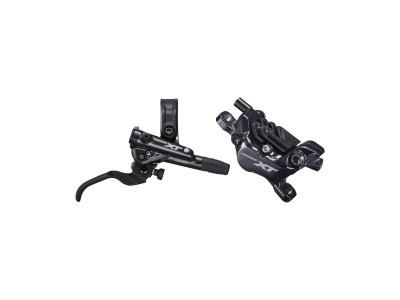
Clearance savings Shimano Deore XT BR-M8120 hydr. rear brake, Post Mount, 1700 mm hose, OEM
139 €
savings
RRP 215 €
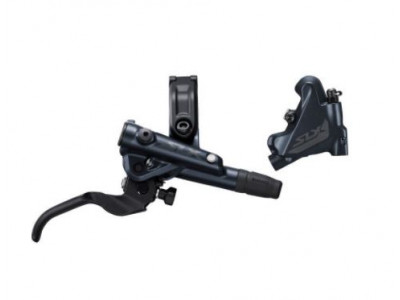
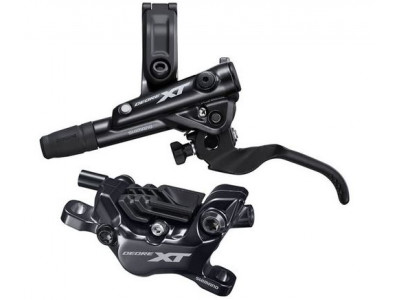
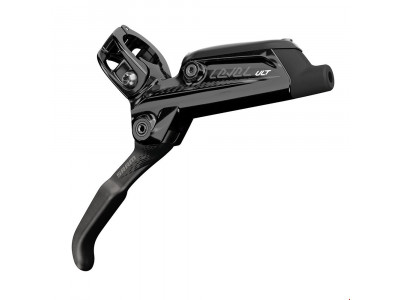
-15% Shimano Deore XT BL-M8200/BR-M8200 hydr. rear brake, Post Mount, 1 700 mm hose + G05A pads
191 €
-15%
RRP 225 €
-15% Shimano XTR BL-M9200/BR-M9200 hydr. rear brake, Post Mount, 1 700 mm hose + pads
246 €
-15%
RRP 289 €
-25% SRAM G2 RSC hydr. rear brake, Post Mount, 2 000 mm hose
from 157 €
-25%
RRP 209 €
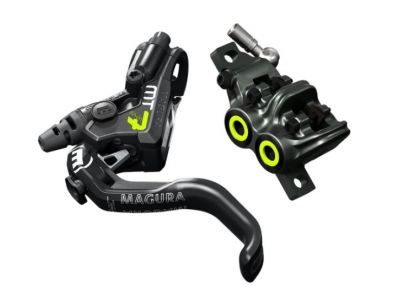
MAGURA MT7 Pro 1-finger HC hydraulic brake, 4 piston, front/rear
189.99 €
RRP 229.99 €
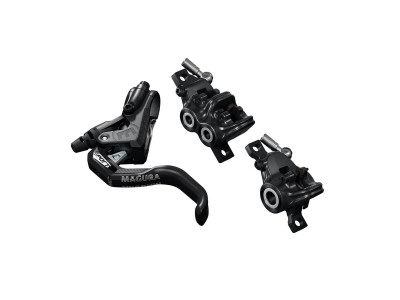
savings MAGURA MT Trail Sport hydr. brakes, 4-piston/2-piston, levers 1-Finger HC
159.99 €
savings
RRP 229.90 €

We are the largest cycling e-shop in Slovakia, verified by 100,000+ customers.

We are available via e-mail, online chat, phone or in person at our MTBIKER stores.

Thanks to your order we can support cycling development.

The payment process is safe and we offer you a wide range of options.

We will reward you for your purchase and also for quality contributions in the MTBIKER forum, e-shop, trips and photo gallery.

Visit our store with a pump-track and trail access or our showroom in a historical bulding in central Bratislava.

 arrow_outward

There are currently no reviews