We have noted your interest.
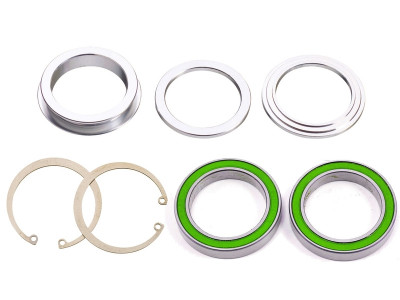
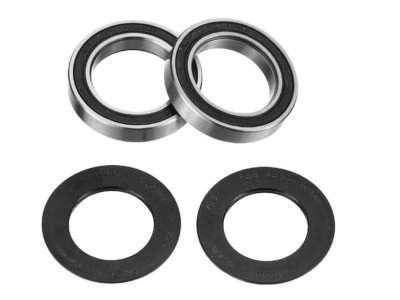
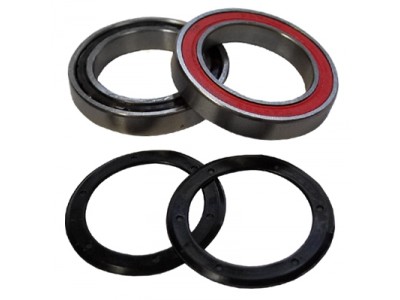
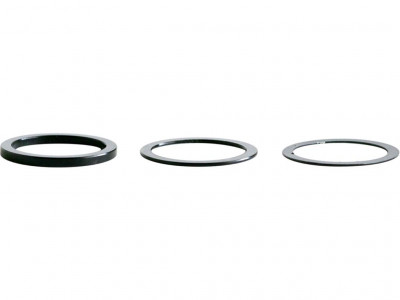
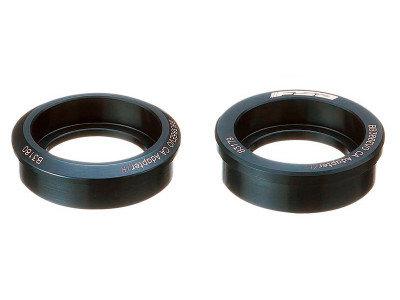
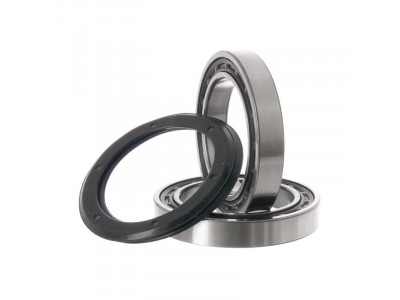
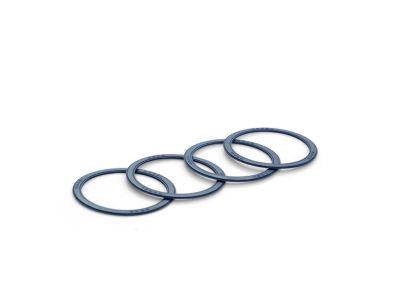
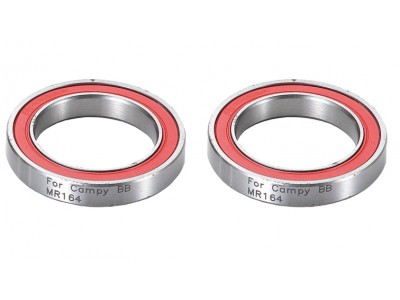
Bearings and washers for bottom brackets
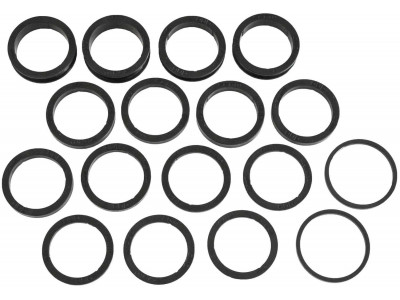
The bottom bracket is a component that connects the cranks (pedals) to the bicycle frame and allows them to rotate smoothly. It is located in the middle of the bicycle, in the so-called bottom bracket shell. Inside are bearings that allow the axle to run smoothly, on which the cranks are mounted.
What types of bottom bracket bearings are there?
There are several types of bearings used in bicycle bottom brackets, differing in design, installation, maintenance, and use. Here is an overview of the main types of bearings used in bottom brackets:
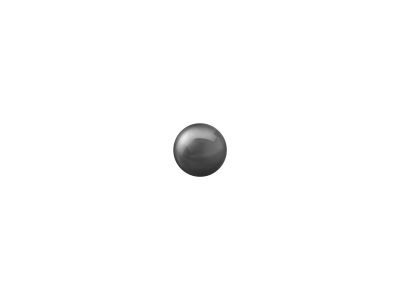
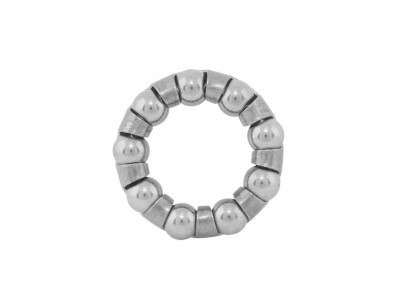
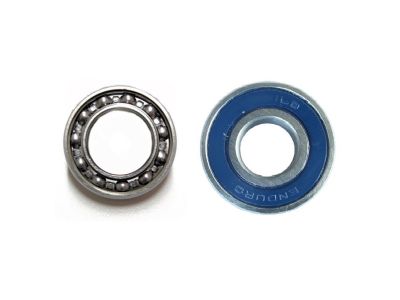
Loose ball bearings
- Description: Individual balls located inside a central housing, often caged or free-running.
- Advantages: Simple and inexpensive, allow preload adjustment.
- Disadvantages: They require regular maintenance (cleaning, lubrication, adjustment), sensitive to dirt.
- Use: Older or cheaper bicycles, classic threaded BSA/ITA bottom brackets.
Sealed cartridge bearings
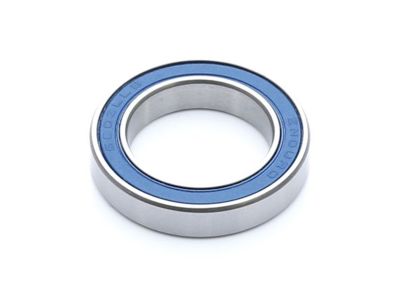
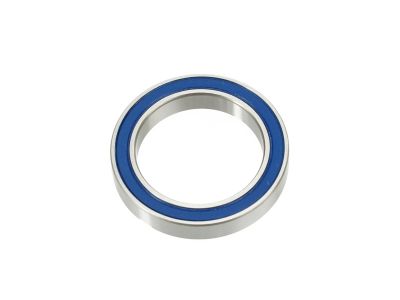
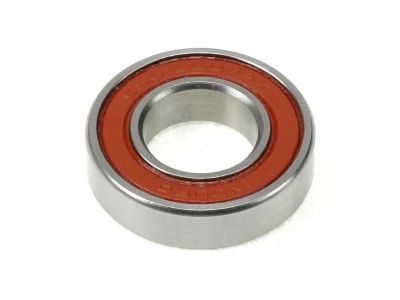
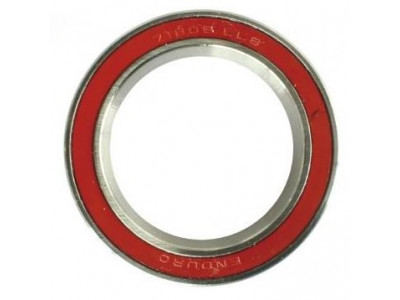
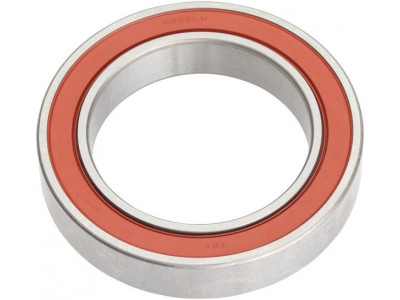
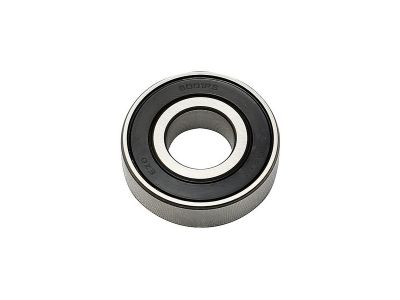
- Description: The entire bearing mechanism is enclosed in a cartridge, typically with a seal (2RS – on both sides).
- Advantages: Maintenance-free, well protected against water and dirt, easy to replace.
- Disadvantages: Cannot be serviced – the entire bearing must be replaced after wear.
- Use: In modern bottom brackets such as Hollowtech II, DUB, PressFit, BB30, etc.
Hybrid ceramic bearings
- Description: Bearings with ceramic balls (e.g. silicon nitride – Si₃N₄) and steel raceways.
- Advantages: Low friction, higher hardness, lower weight, corrosion resistance.
- Disadvantages: Higher price, can be more fragile, often unsuitable for poor conditions (mud, rain).
- Use: Road and performance bikes, racing.
Full ceramic bearings
- Description: Balls and raceways made of ceramic materials.
- Advantages: Extremely low friction, very light and corrosion resistant.
- Disadvantages: Extremely expensive, fragile – unsuitable for MTB or everyday use.
- Use: Top-level road or time trial bikes only.
Needle / roller bearings
- Description: Instead of balls, they contain rollers or needles.
- Advantages: Larger contact area → higher load capacity.
- Disadvantages: Less common in bicycle hubs, more complex sealing, higher friction.
- Use: Some special models (e.g. Enduro MAX), rather exceptional.
"Bike bearings - good to know"
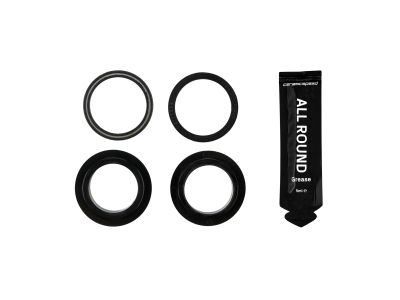
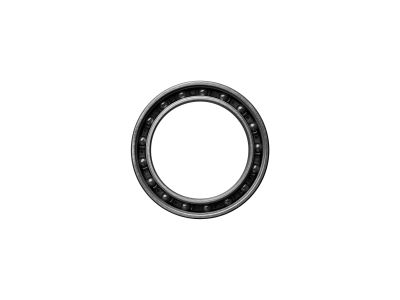
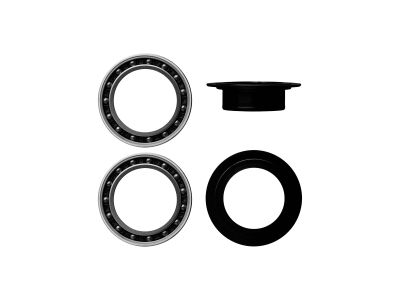
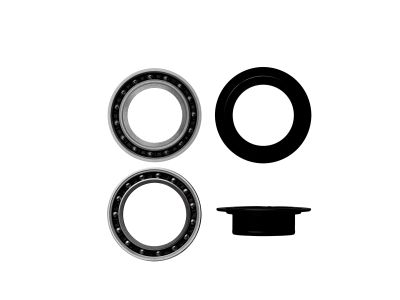
-7% CeramicSpeed BB90 bottom bracket bearings Trek SRAM GXP, black
from 246 €
-7%
RRP 379 €
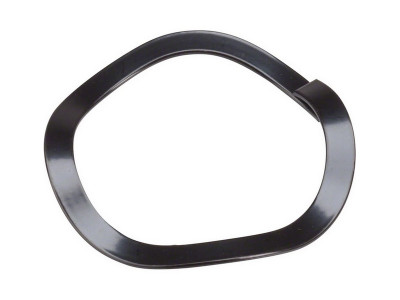
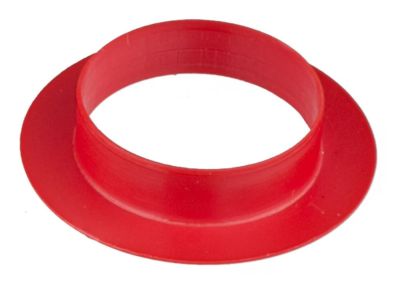
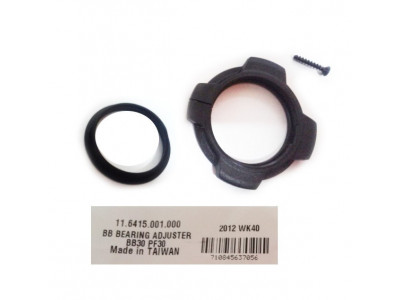
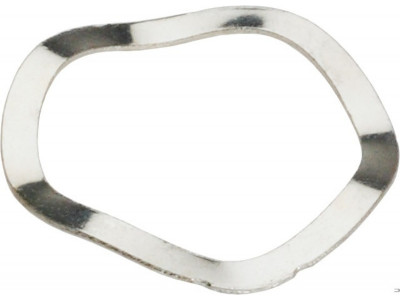
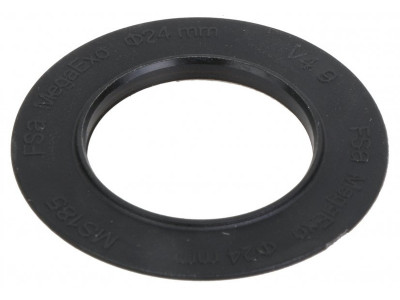
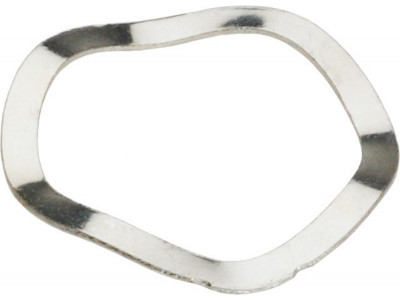
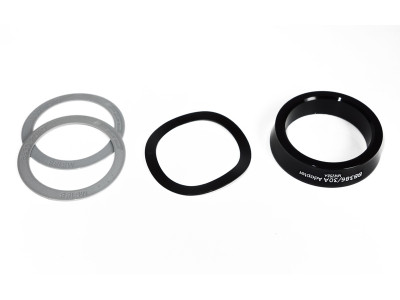
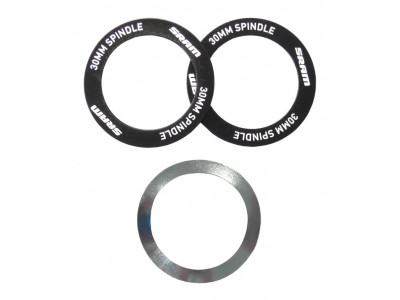
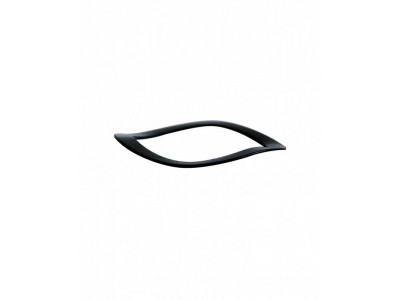
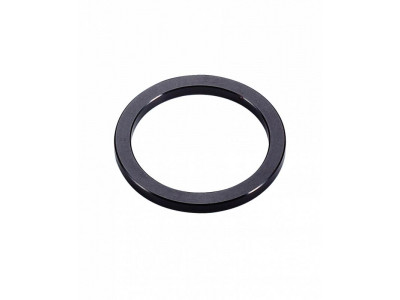
Sram Bottom Bracket Shield and Wave Washer Assembly PressFit GXPMTB
14.29 €
RRP 17.89 €
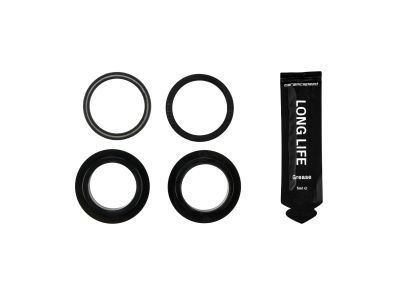
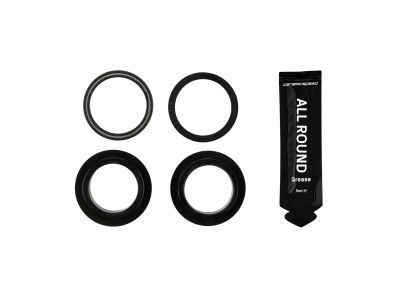
-6% CeramicSpeed BB90 bottom bracket bearings for Trek/Shimano, black
from 249 €
-6%
RRP 379 €