
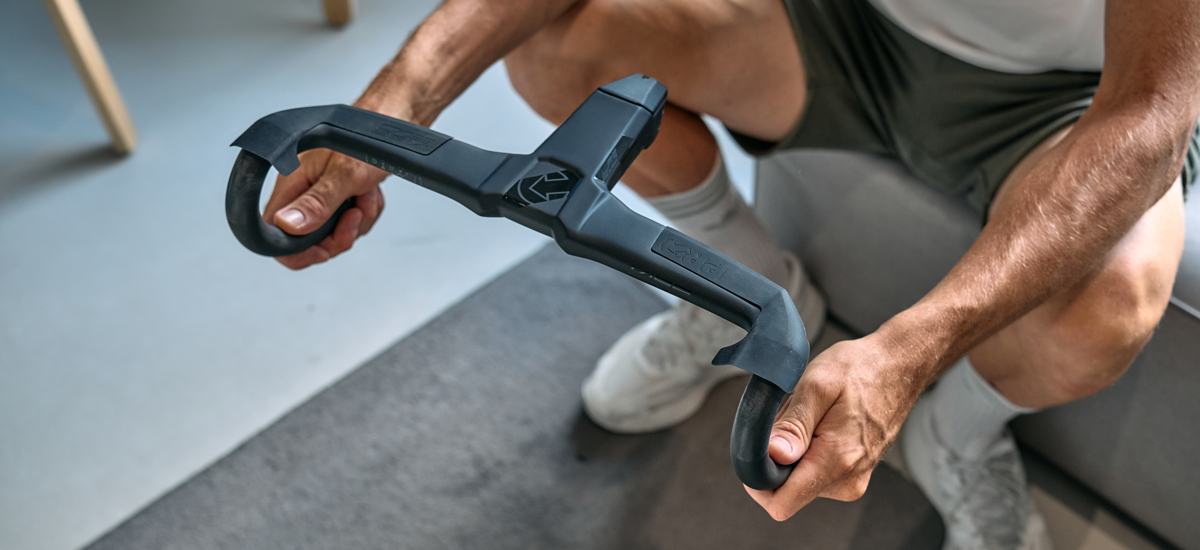
Road & Gravel handlebars: fit, comfort, performance
Road or gravel handlebars are more important than they might seem. They affect riding position, comfort, ergonomics, and performance. Good design is a plus as well.
Handlebars are a more important component than they might seem at first glance. Those who underestimate them miss out on many benefits in terms of riding position, aerodynamics, ergonomics, and control.The right choice can significantly affect not only comfort but also performance, so it's worth paying attention to.

Things to remember
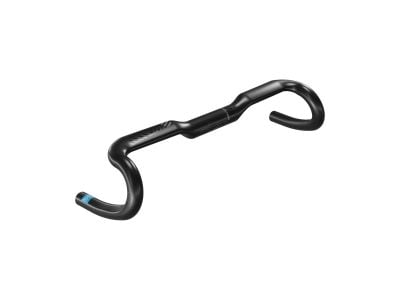
Besides the handlebar diameter matching the stem dimensions, it's good to know that there isn't just one shape. Quality manufacturers also specify values like drop (vertical difference between the top and bottom grip) and reach (horizontal difference between the top grip and the grip behind the levers).

Handlebar width is usually measured at the drops and should be similar to the rider's shoulder width. This provides a good balance between aerodynamics and control. Aero models with different widths at the shift levers and in the drops are an exception.
Internal routing of shifting cables or brake hoses benefits both design and aerodynamics; the product description usually indicates how a specific model is prepared for this solution.

Proper installation is just as important as the handlebars themselves.
Aluminium or carbon are most often used for production - aluminium is cheaper and less brittle, carbon can flex better and is usually lighter. Mounting aero extensions on a diameter other than a circular one will only be possible on a model that is prepared for this, often only with extensions from the same manufacturer.


Handlebars can save your riding position
Handlebars can help with the riding position in various situations. Their smaller reach shortens the riding position, which is a great help, especially if the cyclist has a frame that is too long or doesn't want to install an even shorter stem. A specially shaped model can reduce the drop between the handlebars and the saddle; an ergonomic increase in grip is often the only solution when all spacers under the stem have already been used.
For those who are comfortable with their top grip but feel too low in the lower arch, a smaller handlebar drop will help. Everyone will feel the difference between 130 mm and 90 mm. The shape can also vary; it's not always a perfect arc, and grip ergonomics can differ.
A circular handlebar diameter is not a prerequisite; a flat top section of the grip helps with wrist problems or larger hands, and aero benefits are also mentioned in this regard.

When handlebars and stem are a single unit
The combination of handlebars and stem – the cockpit – is ideally chosen only after determining the correct riding height and length. For those unsure in this regard, bike fitting is a great help.What are the advantages of such a solution? A cockpit can offer better weight, stiffness, and aerodynamics; mounting holes for accessories support a clean design, such as a bike computer mount, which is installed without using a clamp.


Don't underestimate installation
Proper installation is just as important as the handlebars themselves. They should be rotated to the correct position, which can be judged by the bottom part, which must not point extremely up or down. A scale on the handlebars significantly facilitates this adjustment.Brake levers should seamlessly connect to the handlebars for a comfortable grip. Using a torque wrench ensures proper tightening, and anti-slip paste improves grip and reduces the risk of creaking.


Gravel has its specifics
With the width of gravel handlebars, it's not necessary to overdo it, as extra wide ones will make the riding position more aggressive. For undemanding terrain, a classic road bike width is sufficient.Material flex, especially with carbon, is a big plus. Special extensions can serve not only as an aero solution but also as a place to attach a bag, cycle computer, light, or camera. Bikepackers will also appreciate these features.


Bar tape as the final detail
Handlebars significantly affect comfort, aerodynamics, and bike control. When choosing, pay attention to the correct diameter, dimensions, material, cable routing options, and compatibility with accessories. Proper adjustment and installation are crucial for a safe and comfortable ride, and for gravel discipline, it's worth considering the specific needs of the terrain and equipment.And what's the icing on the cake? Of course, the bar tape; its quality, thickness, and surface finish are just as helpful as the handlebars themselves when chosen correctly.
Photo source: editorial archive


Similar articles

What to focus on and how to choose a new road bike, so it meets your expectations to a T.
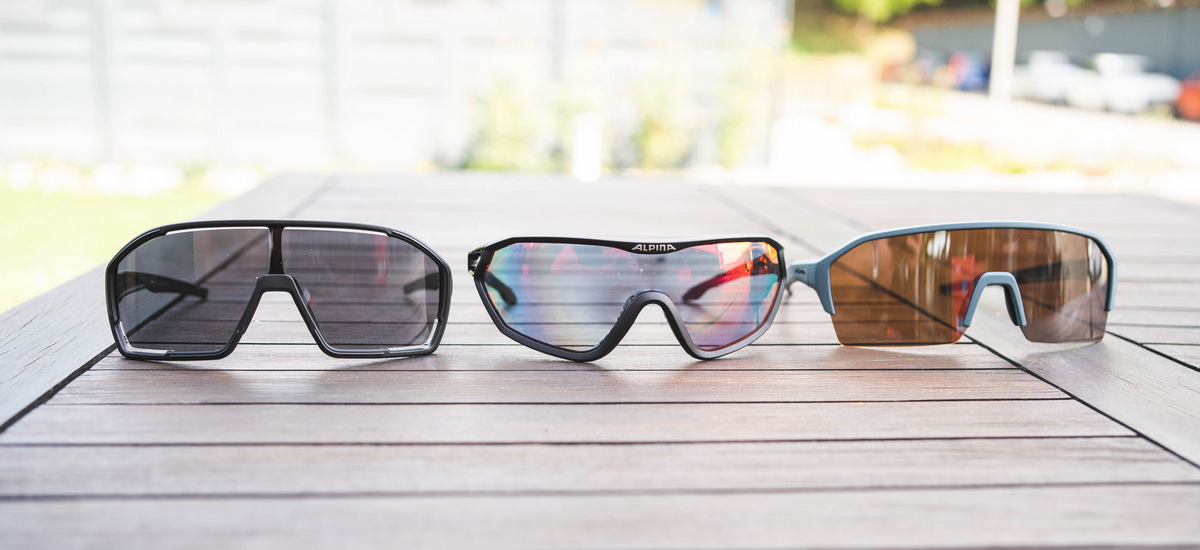
The selection is vast, prices are diverse, and the versions of cycling glasses are endless. How do you make sense of it all and choose the right ones?
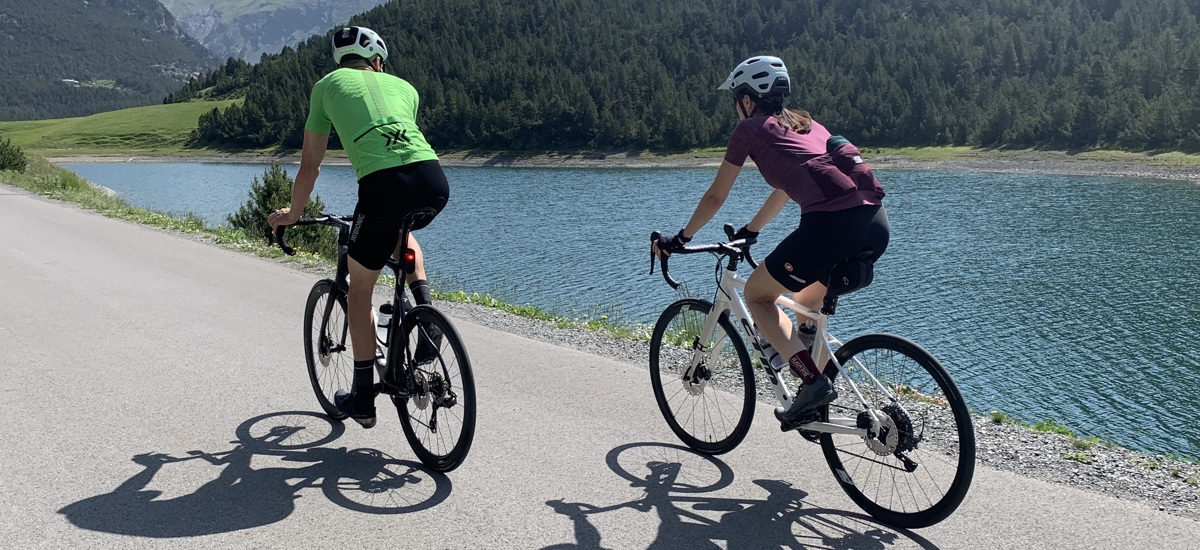
A road bike is built for speed on asphalt. But can a gravel or trekking bike offer a similar, if not identical, performance?
Product selection


 arrow_outward
