





























































New vs. Used Bike
Shopping for a bike? We'll help you decide whether buying new or used offers better value.
Buying a bicycle is not usually an everyday occurrence. Some people buy a bike for six months, others for a year, and some keep theirs for decades. What all bike buyers have in common is one thing: they want the highest quality for the least amount of money.So, is it better to buy a new bike or a used one from a marketplace?


Why Choose Used?
In this article, I'll discuss the various advantages and disadvantages of buying a new or used bicycle. People buy used bikes almost exclusively for financial reasons. I don't see any other major benefit. Price is the most important factor in their decision-making process.The Decision-Making Process
A cyclist decides to buy a bicycle. They usually have several models to choose from within their budget, but used bikes can often be purchased at a lower price. Whether the difference is a few percent or several dozen percent depends on the current market situation, which naturally changes according to supply and demand.For comparison, during the pandemic, bikes on marketplaces were selling for incredibly high prices. This was due to shortages and limited availability. After the pandemic, however, the situation reversed, and a large number of bikes flooded the market, driving prices down.
 LukasHarant
 cepooo
 youtubetomasmartinak
 P.R.
P.R.Risks of Buying a Used Bike
Let's look at an example. You want to buy a bike: a new one costs €3,000, while a used one costs €2,000.1. Bike History
First, you need to verify the bike's history. After all, it's an expensive item, and most owners keep the warranty card, invoice, or proof of purchase. No one wants to unknowingly buy a stolen bike.2. Is It Under Warranty?
Bike warranties vary. Some premium brands offer a lifetime warranty on the frame, while others provide coverage for five or ten years. Simply put, each brand handles warranties differently. However, in Slovakia, the minimum legally required warranty for a new bike is 24 months.For frames covered by a lifetime warranty, the warranty is often valid only for the original owner, meaning that as a second owner, you may encounter issues if a warranty claim becomes necessary.
3. A Problematic Model
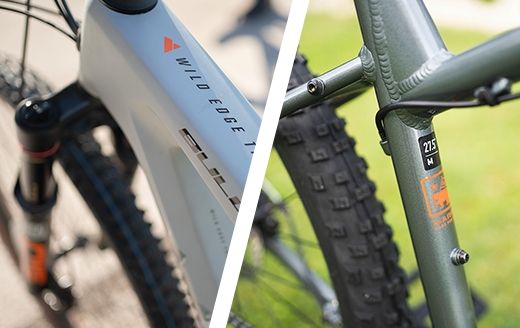
Bicycles have advanced significantly in recent years, but you may still come across a model with known issues—for example, a rear triangle prone to cracking or another recurring technical problem. This point is closely related to the previous one: if you're considering a potentially problematic model with a short warranty or no warranty at all, you're taking a risk.Older models can also present challenges when it comes to spare parts availability, such as derailleur hangers, or compatibility with newer components, as cycling standards evolve quite rapidly.
4. A Responsible—or Irresponsible—Owner
The cycling community is relatively small. Before buying, try to find out whether any of your friends know the seller and what their experience has been. Reach out to them, as a personal meeting—or at least a phone call—is extremely important.Ask about the bike's service history, how regularly it was maintained, whether it has had any issues, and anything else that may be relevant.


Inspection and Purchase
Unfortunately, bike scams do exist. A missing invoice, a condition that doesn't match the description, or undisclosed damage are all possibilities. My recommendation is to always inspect the bike in person. Unless you're completely confident in your knowledge, this is the best way to avoid scams and unpleasant surprises.No matter how trustworthy or likeable the seller seems, inspect everything carefully. Be patient and thorough so you don't regret rushing the pre-purchase inspection. Problems such as concealed frame cracks do occur. Not often, but often enough to warrant caution.
When you buy a used bike, that's usually where the support ends, and you're on your own. If the bike is no longer under warranty, you generally have no recourse if something goes wrong. Any hidden defects or unforeseen issues can quickly eat into the money you initially saved.
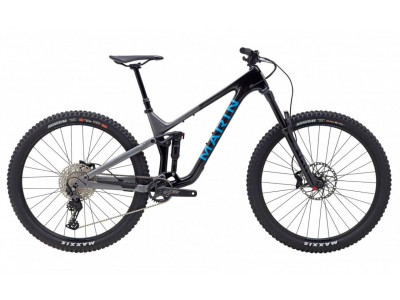
Sale -9% Marin Alpine Trail Carbon 1 29 bike, black/gray/blue
from 2,599 €
-9%
RRP 3,699 €

Why Choose New?
For a new bike in the aforementioned €3,000 price range, you'll visit a bike shop where experienced staff can advise you. If you choose to buy online, you likely already know which model you're looking for.A new bike is, of course, unused and comes with a full warranty. However, the price includes more than just the bike itself—it often includes expert advice, assistance with warranty claims and other issues (although the quality of customer service varies greatly between sellers), as well as warranty and post-warranty servicing or service discounts.

It's Your Choice
The purpose of this article is simply to highlight the key considerations when buying a bike. I've primarily shared my own experiences and observations, having gone through this process at least ten times during my cycling journey.Ultimately, it's up to you to decide whether you'd rather buy a new bike with a full warranty or choose a used bike and accept the associated risks. Whether the €1,000 saving in our example is worth that risk is something only you can determine.
Buying a used bike is often more advantageous in the entry-level segment, where owners are frequently just testing out a new hobby. In many cases, they lose interest after a season, and the bike ends up for sale with very little use.
With higher-end bikes, however, the reason for selling is often that the bike is already heavily used and may soon require significant investment.
Other Factors in Bike Selection
Whether you choose a new or used bike also depends on where you are in your cycling journey. If you're simply looking to try cycling and buy your first bike, a used model is certainly worth considering.If you ride demanding gravity disciplines where bikes are subjected to heavy wear and tear, then you need to remember that every component has a finite lifespan. When buying used, you can never be entirely sure how the previous owner treated the bike, how it was ridden, or what crashes it may have been involved in.
Another consideration is component selection. If the components on the bike you're buying don't suit your preferences, you'll probably want to replace them. With a used bike, you'll need to sell the unwanted parts yourself, whereas with a new bike, the dealer may be able to swap components before delivery. This can save both time and money.

Choose Wisely
Make informed decisions and seek expert advice. Buying a bike is an important decision that should not be rushed. On one hand, you might find the deal of a lifetime; on the other, you could end up disappointed and facing a series of costly problems.Whatever you decide, I wish you a successful purchase!
Photo source: editorial archive
Similar articles
It has long been clear that electric bikes are no longer just a passing trend. They have become a distinct category of cycling, and their range continues to expand with every season.

What are the biggest mistakes everyday cyclists make that unknowingly damage their bikes and waste money? An experienced expert shares the answers.
Everyone knows Tiagra, Ultegra, and Dura-Ace. But where do the names Shimano gives to its road groupsets come from?



 arrow_outward
