We have noted your interest.
Ski boots
Ski boots come in a variety of types, each tailored to specific skiing disciplines and with specific features. Here is a brief description of the different types of ski boots:
- Alpine ski boots:
- designed for downhill skiing on groomed slopes,
- provide maximum support, stiffness, and control during precise cornering,
- usually have a high cuff for excellent maximum stability,
- they have a flat, solid sole compatible with alpine bindings.
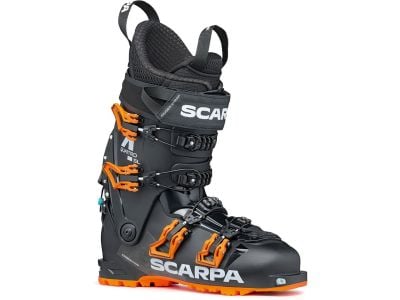
- Freeride ski boots:
- designed for skiing off-piste and in various terrain,
- offer balanced stiffness and flexibility for manoeuvrability in challenging conditions,
- often have a walking mode for easier uphill climbing during hikes or off-road trips,
- they can be compatible with both alpine and ski-alpine bindings.
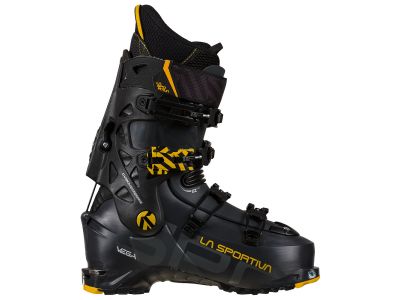
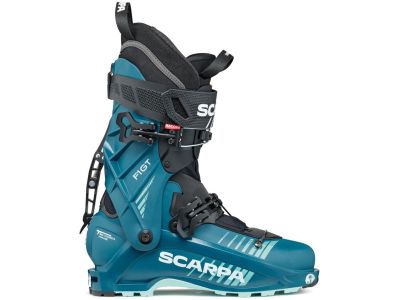
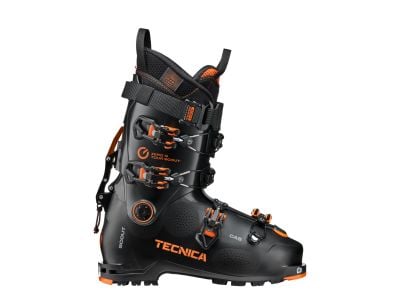
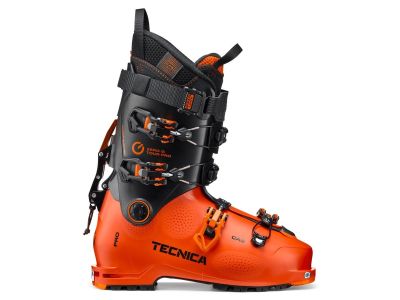
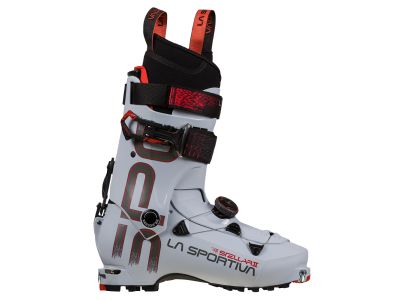
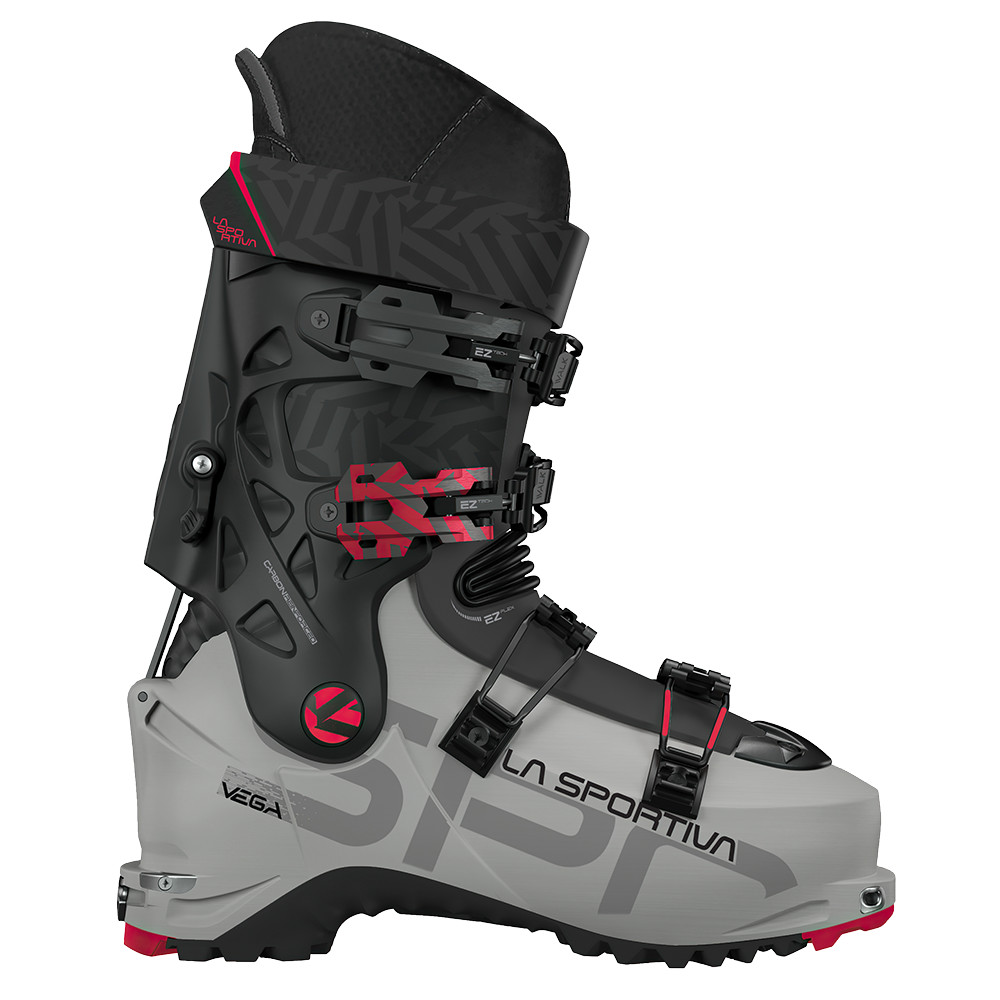
- Ski touring/ski alpine boots:
- lightweight construction makes climbing and walking easier,
- equipped with a walking mode, have an articulated joint for a more natural movement when walking,
- compatible with technical (pin) bindings for climbing and may have a sole suitable for hiking.
How to choose suitable ski boots?
Choosing the right ski boots is essential for comfort, control, and performance on the slopes. Here's a guide to help you choose the best ones:
- Determine your skiing ability and style: Consider your skiing level, whether you're a beginner, intermediate, or advanced skier. Also think about your preferred terrain and skiing style, such as groomed slopes, back country, or racing. Different boots are designed to suit specific skill levels and skiing disciplines.
- Consider boot stiffness: The flex value indicates the stiffness of the boot. It ranges from soft (flex index below 80) to stiff (flex index above 130). Beginners and lighter skiers generally prefer softer boots, which offer more forgiveness and comfort. Advanced skiers or those looking for more responsiveness and precision may prefer stiffer boots. The appropriate degree of flex depends on skiing ability, weight, and personal preference.
- Choose the right boot size: Ski boots should fit well, without pain or discomfort. They should hold your foot securely and minimize movement inside the boot. Ski boots are usually sized in mondopoint size, which refers to the length of your foot in centimetres. It is important to try different sizes and brands to find the best fit for your feet.
- Consider boot width: Ski boots come in a variety of widths to accommodate different foot shapes. The three main width categories are narrow (often labelled “N”), medium (labelled “M” or “W”), and wide (labelled “W”). It’s very important to choose a boot width that matches the shape and volume of your feet.
- Liner: The liner is the inner part of a ski boot that provides insulation and comfort. High-quality liners offer better heat retention, moisture wicking, and cushioning. Some liners are moldable, allowing them to fit the shape of your foot. Consider the material and features of the liner to ensure optimal warmth and comfort while skiing.
- Boot closure system: Ski boots typically have three closure systems - the traditional four-buckle system, the three-buckle system, or the modern ski/walk system. The closure system affects the performance and ease of use of the boot. Four-buckle boots provide maximum support and control, while three-buckle boots offer a balance between performance and comfort. Ski/walk systems provide versatility, allow for easier walking or hiking, and are used for ski mountaineering.
When choosing ski boots, it is essential to consider your skiing style, skill level, and the type of terrain you plan to tackle.
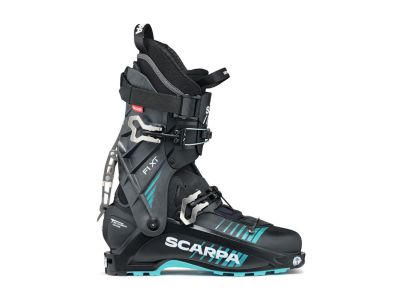
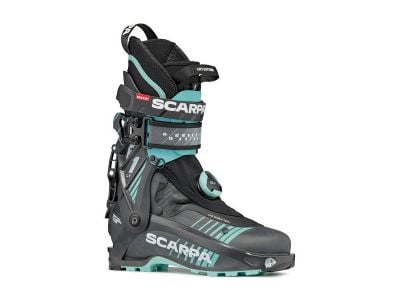
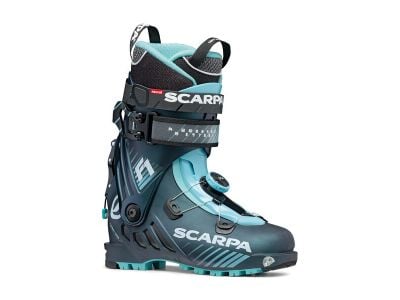
Clearance -7% SCARPA F1 women's ski boots 22/23, anthracite/aqua
from 464 €
-7%
RRP 699 €
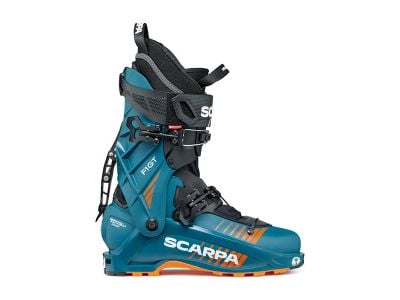
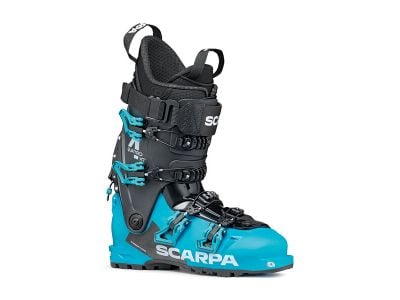
Clearance -25% SCARPA 4-QUATTRO XT ski boots, ocean/blue
from 579 €
-25%
RRP 849 €
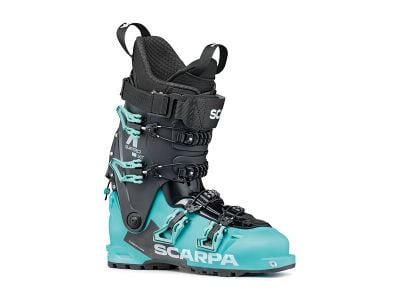
Clearance -32% SCARPA 4-QUATTRO XT women's ski boots, ceramic
from 579 €
-32%
RRP 849 €
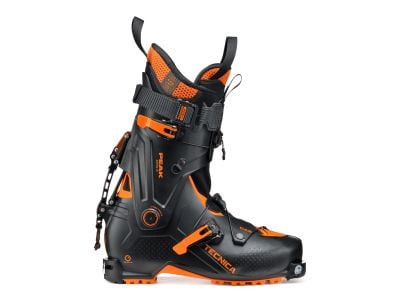
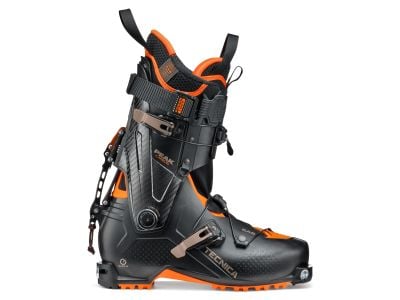
-29% Tecnica Zero G Peak Carbon ski boots, black/titanium
from 499 €
-29%
RRP 799.99 €