We have noted your interest.
Hiking footwear
There are different types of hiking boots available on the market, each designed to suit different conditions and individual preferences. Here are some common types of hiking boots:
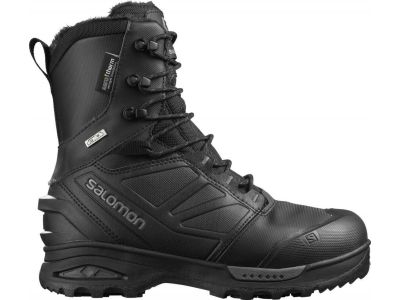
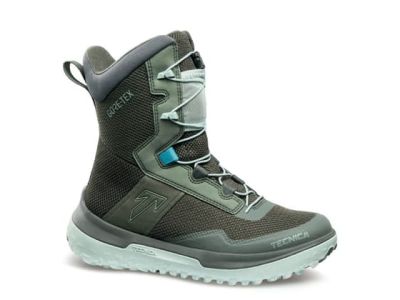
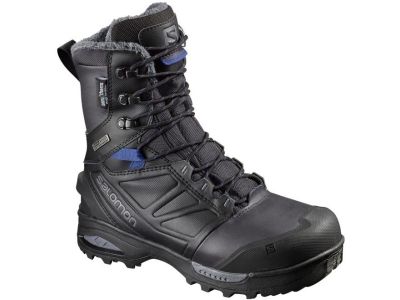
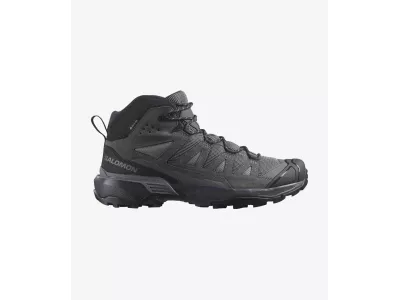
- High-top hiking boots: High-top hiking boots are designed to provide maximum support and protection for the ankle. They typically provide a high support that extends beyond the ankle and provides additional stability on uneven terrain. These boots are ideal for backpacking or hiking in challenging conditions where ankle support is key. They provide excellent protection against sprains and potential injuries.
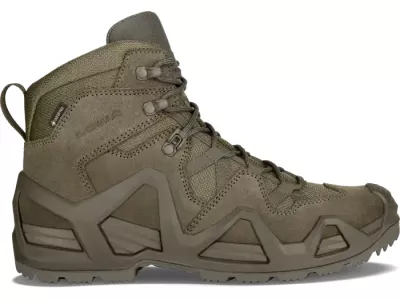
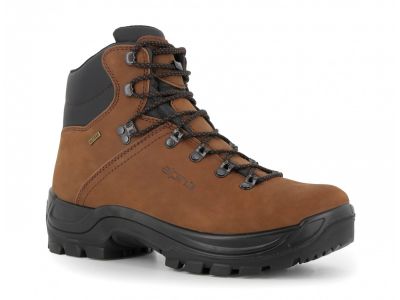
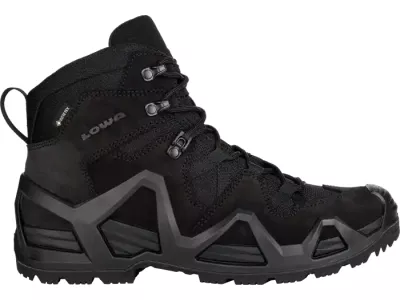
- Mid-cut hiking boots: Mid-cut hiking boots strike a balance between ankle support and flexibility. They offer a moderate amount of ankle coverage, typically reaching just above the ankle bone. These boots are suitable for a wide range of hiking terrain and conditions. They provide adequate support on uneven surfaces, rocky trails, and moderate backpacking loads. Mid-cut boots are versatile and can be a comfortable choice for day or multi-day hikes.
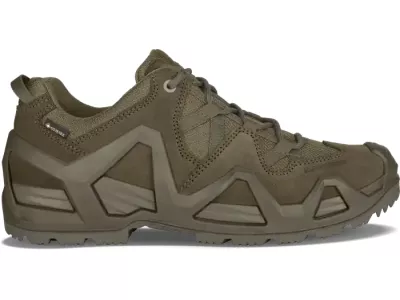
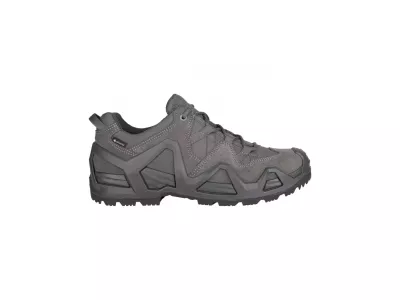
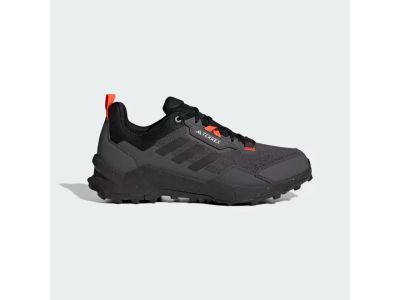
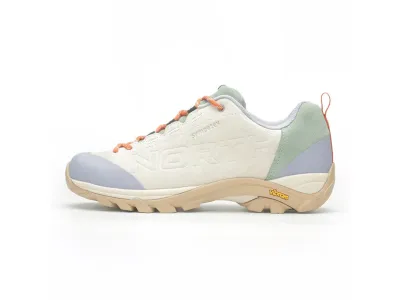
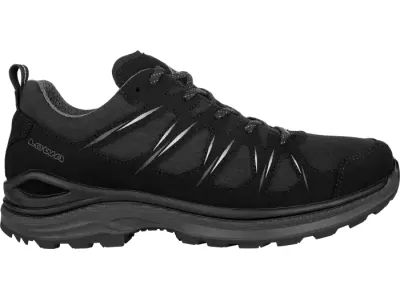
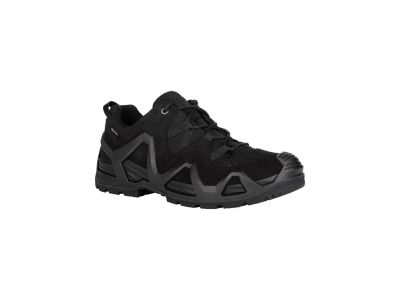
- Low-cut hiking boots: Low-cut hiking boots are lightweight and flexible footwear. They do not provide ankle support because they have a low cut that ends below the ankle. These boots are ideal for well-maintained trails, shorter hikes, or for those who prefer a more mobile and breathable option. Low-cut hiking boots provide greater freedom of movement and are comfortable for those who do not require extra ankle stability.
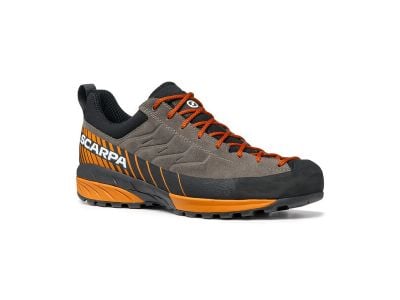
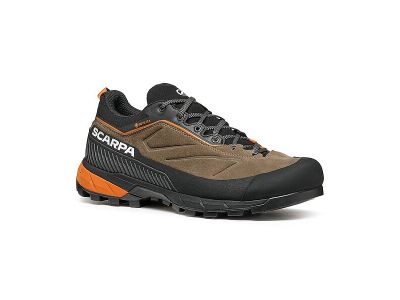
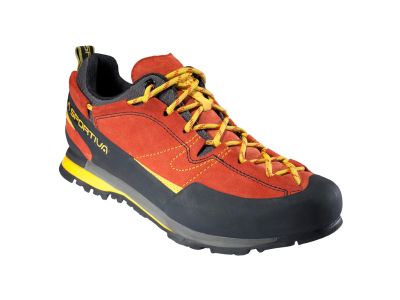
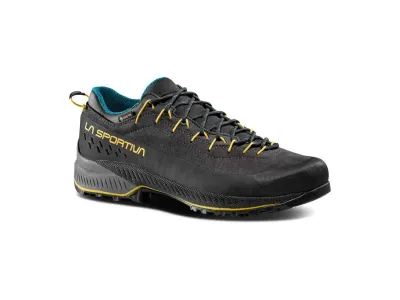
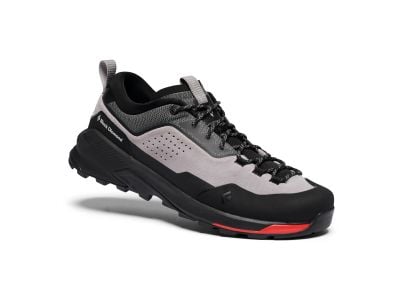
- Approach shoes: This is a specialized type of shoe designed for technical hiking and approaches to climbing routes. It is a hybrid between hiking and climbing shoes, offering excellent grip and traction on rocky surfaces. Approach shoes have a sticky rubber sole that provides exceptional friction, and a stiffer sole for increased stability. They are suitable for scrambling and hiking in difficult terrain that requires precise foot placement.
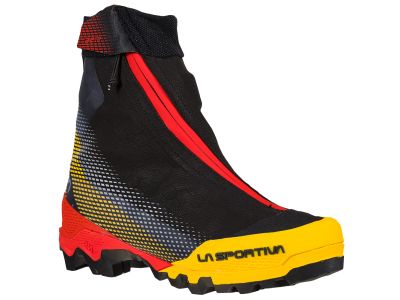
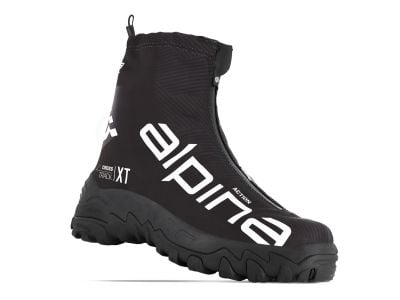
- Expedition boots: Expedition boots are heavy-duty, high-performance boots designed for extreme hiking conditions and long treks. These boots are built to withstand harsh weather conditions, rough terrain, and heavy loads on your back. They offer exceptional support, durability, and protection from harsh elements. Expedition boots are typically insulated, waterproof, and have a stiff sole to provide stability in challenging environments.
When choosing between these types of hiking boots, consider factors such as terrain, length of hike, personal preference, and desired level of ankle support. It's important to find the right balance between comfort, protection, and functionality to ensure a safe and enjoyable hike.
What to consider when choosing hiking shoes?
When choosing hiking shoes, it is important to consider the following factors:
- Comfort: Properly fitting shoes can prevent blisters, pressure points, and foot fatigue, making for a more comfortable hike.
- Stability and support: The right footwear can provide stability and support to your feet and ankles, reducing the risk of injury on challenging terrain.
- Grip: Hiking shoes with good traction will help you maintain grip on slippery surfaces, preventing slips and falls.
- Protection: Hiking shoes provide protection from sharp rocks, thorns, and other potential hazards on the trail.
- Durability: Investing in quality hiking shoes can ensure a longer lifespan for your shoes or boots, saving you money in the long run.
How to choose the right size of hiking shoes?
It is important to try on hiking boots to make sure they fit properly. Consider width, length, and overall comfort. Leave enough room in the toe area to avoid blisters and pressure sores. It is recommended to try on the boots with hiking socks to simulate the conditions you will be hiking in.
Can I use hiking shoes for trail running?
Although hiking shoes may have some similarities to trail running shoes, they are not specifically designed for the demands of trail running. Trail running shoes provide additional cushioning, support, and traction for the impact and agility required when running. For specialized trail running, it is recommended to use shoes specifically designed for this purpose.
How to clean and maintain hiking shoes?
Cleaning and maintenance instructions may vary depending on the specific materials used in your hiking boots. However, it is generally recommended to remove excess dirt and grime after each hike and allow them to dry naturally. Follow the manufacturer's instructions for cleaning and conditioning your boots to ensure their longevity.
-10% La Sportiva Aequilibrium ST GTX shoes, black/yellow
from 287 €
-10%
RRP 329 €
-10% La Sportiva Aequilibrium Trek GTX shoes, savana/carbon
243 €
-10%
RRP 269.90 €
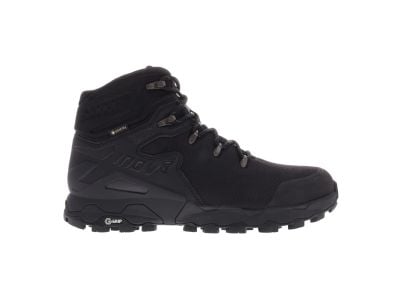
Sale -34% inov-8 ROCLITE PRO G 400 GTX V2 M shoes, black
from 137 €
-34%
RRP 229 €
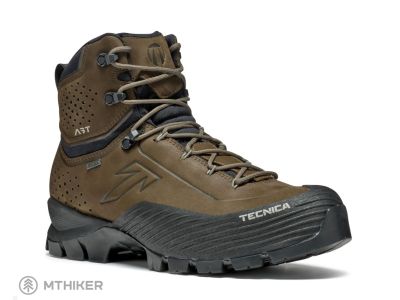
Clearance -24% Tecnica Forge 2.0 GTX shoes, tundra/cool grey
from 181 €
-24%
RRP 279 €
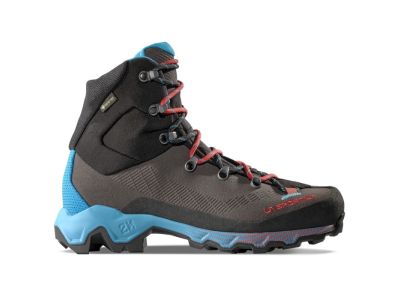
-12% La Sportiva Aequilibrium Trek GTX women's shoes, carbon/malibu blue
from 215 €
-12%
RRP 269 €
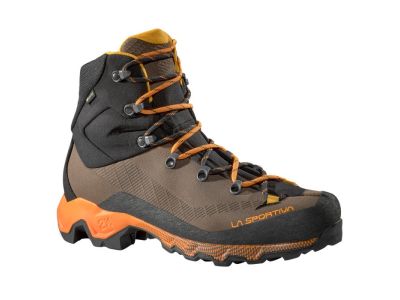
La Sportiva Aequilibrium Trek GTX shoes, chocolate/papaya
from 233 €
RRP 269.90 €
La Sportiva Aequilibrium ST GTX women's shoes, black/hibiscus
from 287 €
RRP 329 €
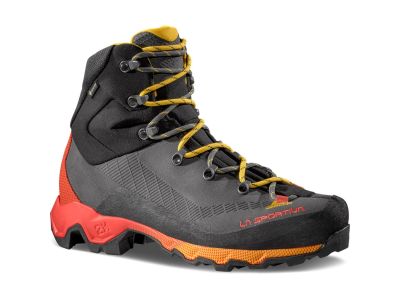
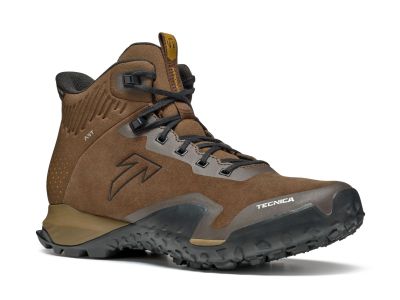
Clearance -24% Tecnica Magma 2.0 MID GTX Ms shoes, dark savana/midway fieno
142 €
-24%
RRP 219 €
Clearance -10% Tecnica Argos GTX 001 women's shoes, shadow altura/cloudy laguna
from 117 €
-10%
RRP 179 €
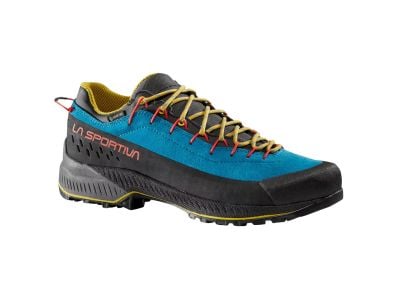
-16% Dynafit Transalper 2 MID GTX women's shoes, black out/nimbus
169 €
-16%
RRP 200 €
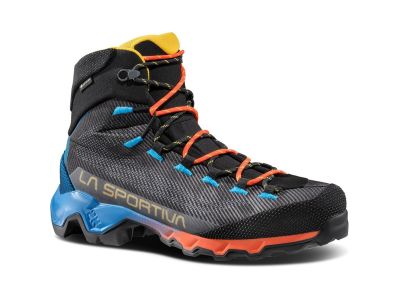
-10% La Sportiva Aequilibrium Hike GTX shoes, carbon/tropic blue
215 €
-10%
RRP 239 €
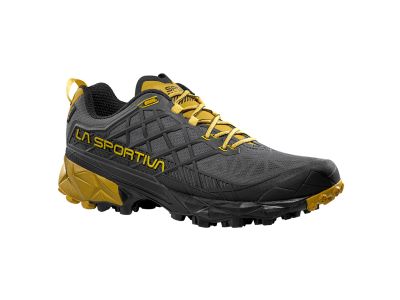
Clearance Salomon Toundra Pro CSWP women's shoes, phantom/black/amparo blue
167 €
RRP 220 €
savings Black Diamond MISSION LEATHER MID WP women's shoes, steel grey/costal blue
89.99 €
savings
RRP 180 €
Clearance -21% Salomon X ULTRA 360 LTR MID GTX shoes, castlerock/asphalt/kelp
141 €
-21%
RRP 198 €
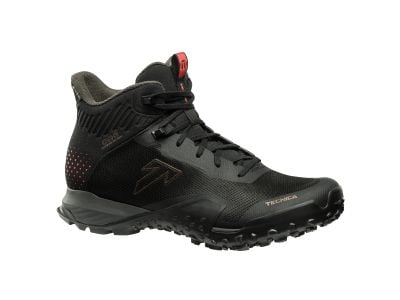
Clearance -40% Tecnica Magma MID S GTX shoes, black/pure lava
125 €
-40%
RRP 209 €