





































































Form is being processed
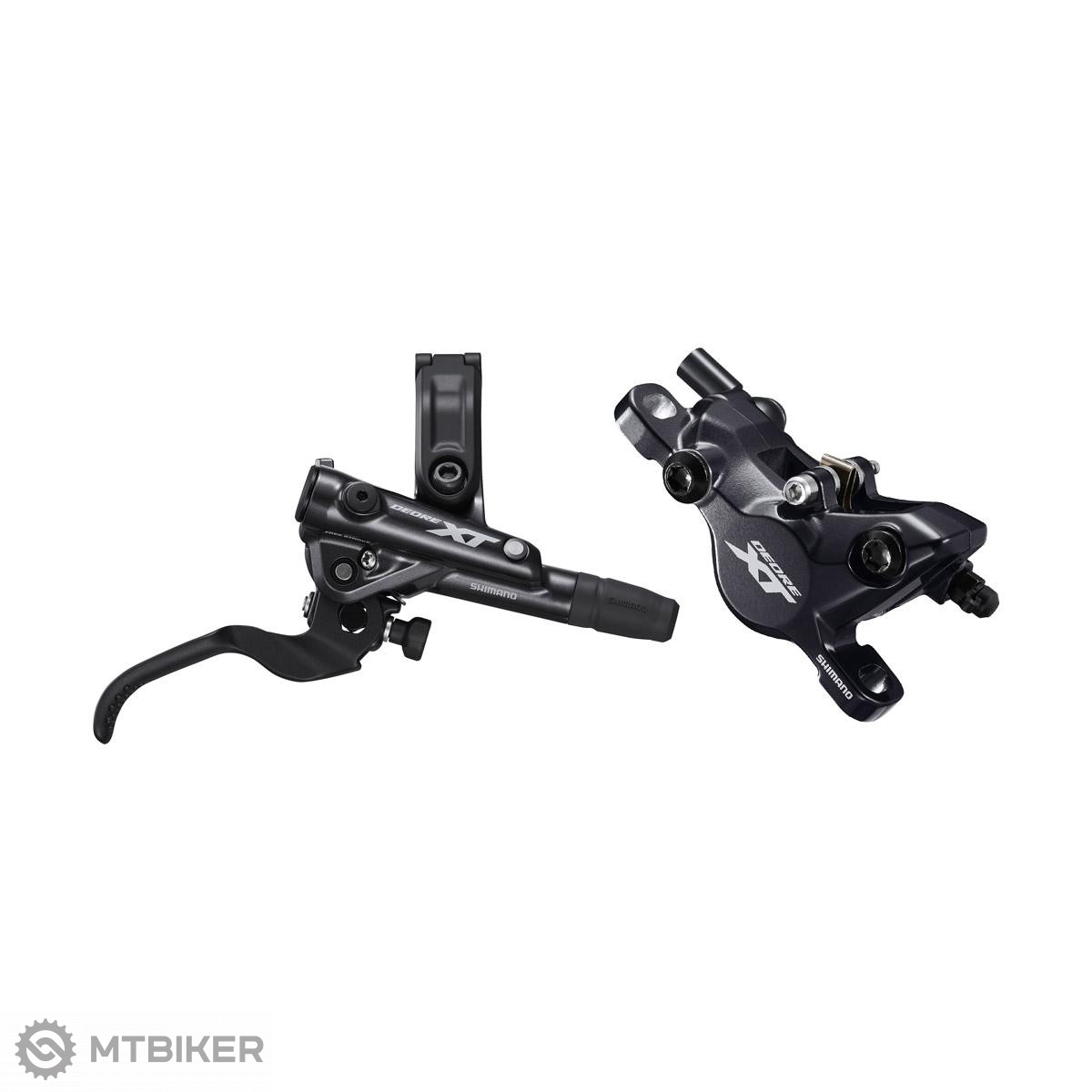
Shimano Deore XT BR-M8100 hydr. rear brake, Post Mount, 1 700 mm hose + G05A pads
RRP 159 €
In-store pickup
From 22.09.2026 (Tuesday)
Check availability
chevron_forward
By courier to your home


Delivery method on Wednesday 23.09.2026
At pick-up points
Delivery method on Wednesday 23.09.2026
replay
Extended return option up to 100 days More info
delivery_truck_speed
Free shipping
Other product variants
 Shimano Deore XT BR-M8100 hydr. front brake, Post Mount, 1 000 mm hose + G05A pads
119 €
Shimano Deore XT BR-M8100 hydr. front brake, Post Mount, 1 000 mm hose + G05A pads
119 €
 Shimano XT BR-M8100 hydraulic front brake, Post Mount, hose 1,000 mm + J04C pads
119 €
Shimano XT BR-M8100 hydraulic front brake, Post Mount, hose 1,000 mm + J04C pads
119 €
 Shimano XT BR-M8100 hydraulic rear brake, Post Mount, hose 1,700 mm + J04C pads
129 €
Shimano XT BR-M8100 hydraulic rear brake, Post Mount, hose 1,700 mm + J04C pads
129 €
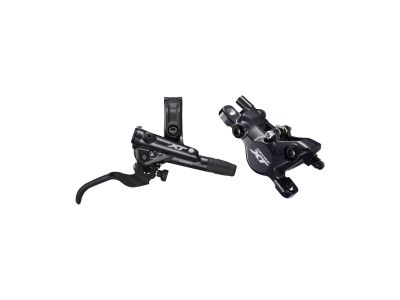 Shimano Deore XT BR-M8100 hydr. rear brake, Post Mount, 1 400 mm hose + G05A pads, OEM
84.90 €
Shimano Deore XT BR-M8100 hydr. rear brake, Post Mount, 1 400 mm hose + G05A pads, OEM
84.90 €
Product description
An article about a product
Reviews
Product questions
 •
•
 •
•
 •
•
 •
•
•
•
 •
•
•
•
 •
•
 •
edit
•
•
edit
•
edit
•
edit
•
•
edit
•
edit
 •
•
 •
•
•
•

 •
•
•
•
 •
•
•
•
•
•
•
•
•
•
edit
•
•
•
•
•
•
•
•
•
•
edit
 •
•
•
•
•
•
•
•
•
•
•
•
•
•
•
•
•
•
•
•
 •
•
•
•
 •
•
 •
•
•
•
•
•
•
Warnings and instructions
•
•
•
•
•
•
•
Warnings and instructions
Shimano Deore XT BR-M8100 hydr. rear brake
Note: The brake lever is disconnected and before mounting to the bike, the hose needs to be shortened to the desired length and the system bledProduct features
|
Consists of an M8100 lever and caliper and a BH90 brake hose
|
|
Lever clamp compatible for mounting a shifter with an I-Spec EV mount
|
Product details
| Location | Rear |
| Brake type | hydraulic |
| Caliper type | 2-piston |
| Colour | black |
| Type | MTB |
| The length of the tube | 1 700 mm |
| Assembly | clamp, Post Mount |
| Material | Aluminium/Steel |
| Weight | 387 g |
| Package contents | BR-M8100 caliper, BL-M8100 lever, BH90 hose, G05A pads |
| Warning | The brake lever is disconnected and before mounting on the bike, the hose needs to be shortened to the desired length and the system bled. |
| product ID | 87237 |
Product rating (87 ratings)
5/5
(87 ratings)
(84 ratings)
(3 ratings)
(0 ratings)
(0 ratings)
(0 ratings)
How do you rate the product?
Add a review

Help others, earn points and shop better prices thanks to the loyalty program
Product questions
•
thumb_upthumb_down
Variant Shimano Deore XT BR-M8100 hydr. predná brzda, Post Mount, had. 1 000 mm + platničky G05A
 Ktory olej je mozne doplnit do tejto brzdy? Resp, je to tento ? https://www.mtbiker.sk/shop/servis/mazivo-a-oleje/brzdove-kvapaliny/shimano-mineralny-olej-do-kotucovych-brzd-1-l-p670.html
thumb_upthumb_down
•
thumb_upthumb_down
Dobry den prajem,
ano, jedna sa o rovnaky olej, mozete ho pouzit.
thumb_upthumb_down
•
thumb_upthumb_down
Variant Shimano Deore XT BR-M8100 hydr. predná brzda, Post Mount, had. 1 000 mm + platničky G05A
Hello. what is the difference between XT M8000 and M8100? or advise, I'm choosing new brakes for my XC bike. In particular, I don't know whether to use the 4-piston M6120 or this 2-piston M8000/8100 or would the SLX be enough? I'm not a very good rider, and on the current MT 201, it already happened in a long descent that they started to jerk. Thank you for your response
ahojte. aký je rozdiel medzi XT M8000 a M8100? prípadne poraďte vyberám nové brzdy na svoj XC bajk. Hlavne neviem či použiť 4-piest M6120 alebo tento 2-piest M8000/8100 pripadne by stačili SLX? nie som uplne dobrý jazdec a na súčastných MT 201 sa minuž stalo v dlhom zjazde že mi začali maknúť. Ďakujem za odpoveď
Show translationAutomatically translated
thumb_upthumb_down
•
thumb_upthumb_down
Dobrý deň,
M8100 je novšia verzia a je tam iný úchyt hadičky na strmeň. Ja osobne jazdím SLX dvojpiest už roky aj na enduro a zatiaľ ma takmer vždy podržali, kamarát ma 4 piest M6120 a tiež si nestažuje.
thumb_upthumb_down
•
thumb_upthumb_down
dakujem. uz som nol medzicasom v hradku vysvetlili mi tie cisla aj som zistil to ze napriklad slx a xt maju keramicky piest aj pri dvoj piestikoch. asi tam dam nakoniec tie 8100 a bude snad pokoj na dlho pri mojom najazde
thumb_upthumb_down
•
thumb_upthumb_down
Variant Shimano Deore XT BR-M8100 hydr. zadná brzda, Post Mount, had. 1 400 mm + platničky G05A, OEM
chcem sa opýtať - mám na bicykli brzdy os shimana MT501 a chcem ich nahradiť vyššie uvedenými. zadná brzda je však v ráme (Cannondale Scalpel HT4), otázka znie: ak by som nechcel ťahať nové hadičky rámom - môžem ponechať staré hadičky a vymeniť len strmeň a páčku? Ďakujem.
thumb_upthumb_down
•
thumb_upthumb_down
Dobry den,
teoreticky je to mozne, ale v tomto konkretnom pripade to neodporucame - povodne BL-MT501/BR-MT500 brzdy vyuzivaju hadice s odlisnym vnutornym priemerom ako BR-M8100 (kit. BH59 vs. BH90).
thumb_upthumb_down
•
thumb_upthumb_down
Variant Shimano Deore XT BR-M8100 hydr. predná brzda, Post Mount, had. 1 000 mm + platničky G05A
Hello, I would like to switch from my mt410 to these XT or slx. I would like to replace the front set. And on the back, only the pawl so that they are the same, the power of the mt410 is sufficient for me, and I also have a lot of new plates. Would a lever from a slx /XT and calipers from a 410 work?
Zdravim, chcel by som prejsť z mojich mt410 na tieto XT alebo na slx. Prednú by som chcel vymeniť komplet. A na zadnej iba packu aby boli rovnaké tam mi výkon mt410 postačuje a mam aj kopec nových platniciek. Fungovalo by to páčka z slx /XT a strmienok z 410?
Show translationAutomatically translated
thumb_upthumb_down
•
edit
thumb_upthumb_down
pasovať ti to asi nebude,lebo MT410 používajú hadičku BH59-SS a tieto XT majú hadičku BH90
thumb_upthumb_down
•
thumb_upthumb_down
Chcel som meniť iba packu a hadicu so strmenom pôvodnú. Podľa foto to vyzerá rozdielne pripojenie iba na strmen. Pri packe to vyzerá byt rovnaké.
thumb_upthumb_down
•
edit
thumb_upthumb_down
páčka na MT410 používa inú hadičku ako páčka na XT8100...čiže pasovať to nebude
thumb_upthumb_down
•
edit
thumb_upthumb_down
Nakoniec som použil slx 7100 packu a pôvodnú hadicu + strmene a funguje to bez problemov
thumb_upthumb_down
•
thumb_upthumb_down
Variant Shimano Deore XT BR-M8100 hydr. zadná brzda, Post Mount, had. 1 450 mm + platničky G03A, OEM
dobry den. mam scott scale 950 2025 a mam na tom brzdy mt501 s radenim shimano deore sl-m6100 s objimkou. chcem sa opytat, ci by som mohol povodne brzdy nahradit tymito XT s tym, ze by mi radenie ostalo, alebo by som musel vymenit aj to. vdaka za odpoved.
thumb_upthumb_down
•
thumb_upthumb_down
Ak radenie ma samostatnu objimku, tak to mozes spravit
thumb_upthumb_down
•
thumb_upthumb_down
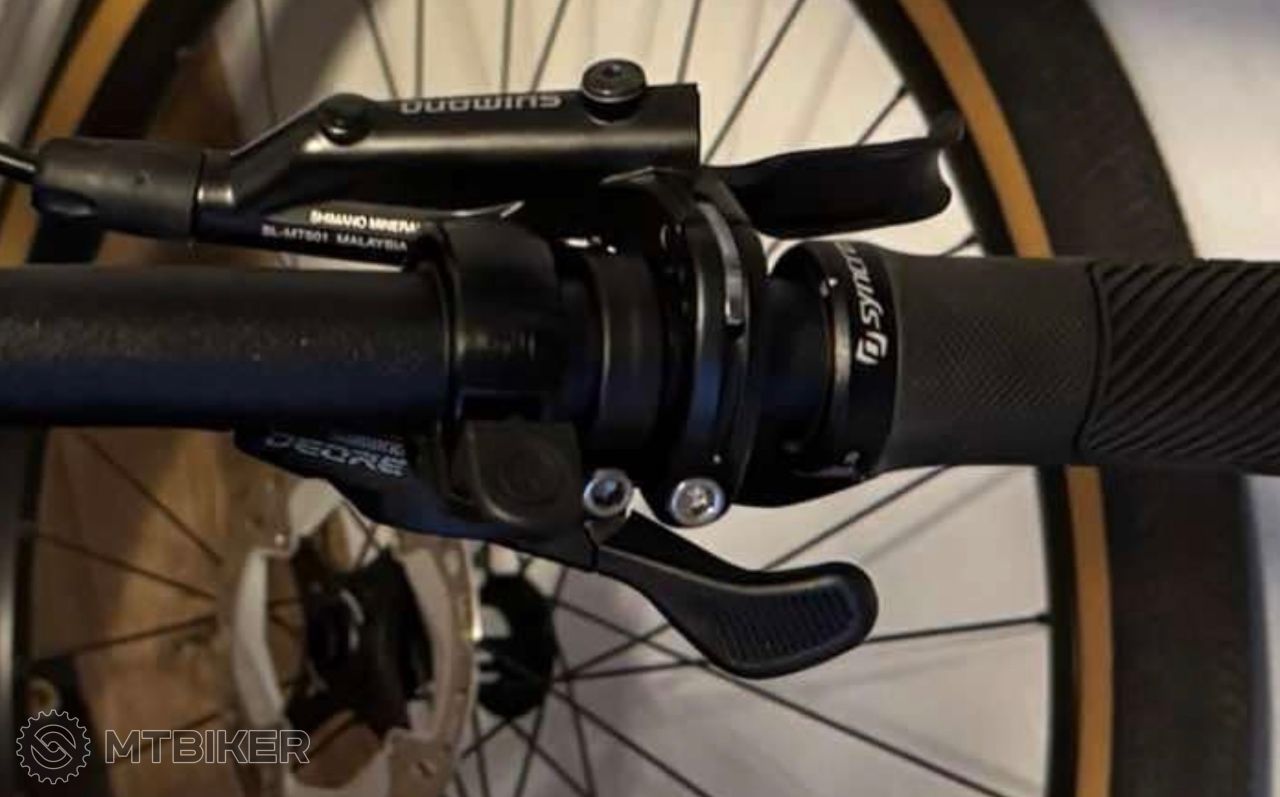
Bude to fungovať alebo to môžeš urobiť takto ako na mojej foto. Vymeniť radenie za I spec ev a namontuješ priamo na objímku brzdy-velice elegantné!!!

thumb_upthumb_down
•
thumb_upthumb_down
Variant Shimano Deore XT BR-M8100 hydr. zadná brzda, Post Mount, had. 1 700 mm + platničky G05A
Keď mám radenie na klasickú objímku, prepokladám ,že nijako nevadí, že tieto brzdy majú prípravu na uchytenie I-Spec EV pre radenie. Nijako to nebude kolidovat s mojim sucasným radením. Či ???
thumb_upthumb_down
•
thumb_upthumb_down
Dobrý deň,
teoreticky by ste s tým nemali mať žiadny problém, akurát ste do určitej miery obmedzený tak ako vždy pri kombinácii dvoch objímok (radenie + brzdová páka) doladením presnej polohy a sklonu, kvôli tvaru samotného tela páčky radenia, resp. brzdy.
thumb_upthumb_down
•
thumb_upthumb_down
Variant Shimano Deore XT BR-M8100 hydr. predná brzda, Post Mount, had. 1 000 mm + platničky G05A
Zdravím. Viete mi objednať keramické piestiky do týchto bŕzd, alebo aj nejaké kovové, len aby pasovali. Polámal som v mojich keramické, keď som ich rozťahoval
thumb_upthumb_down
•
thumb_upthumb_down
Dobry den,
samostatne piestiky zial dostupne nie su, k objednaniu je pripadne vsak cely strmen - https://www.mtbiker.sk/shop/komponenty/brzdy/brzdove-packy-a-strmene/shimano-xt-m8100-hydr-brzd-strmen-post-mount-platnicky-g03a-p87387.html.
thumb_upthumb_down
•
thumb_upthumb_down
Variant Shimano Deore XT BR-M8100 hydr. zadná brzda, Post Mount, had. 1 450 mm + platničky G03A, OEM
 Is the oem kit also filled with oil and perhaps assembled?
Or filled with oil but the brake levers are separate?
Or do you just get a kit of parts without oil? 🙂
thumb_upthumb_down
•
thumb_upthumb_down
Hello,
brake is prefilled with mineral oil, lever is separate - olive and pin are included.
thumb_upthumb_down
•
thumb_upthumb_down
Variant Shimano Deore XT BR-M8100 hydr. predná brzda, Post Mount, had. 1 000 mm + platničky G05A
Dobrý deň, má tento model /Shimano Deore XT BR-M8100 hydr. predná brzda, Post Mount, had. 1 000 mm + platničky G05S/ toto číslo výrobcu: IM8100JLFPRA100 ?
Ľubo
thumb_upthumb_down
•
thumb_upthumb_down
Dobry den prajem,
ano, jedna sa v tomto pripade o IM8100JLFPRA100.
thumb_upthumb_down
•
thumb_upthumb_down
Variant Shimano Deore XT BR-M8100 hydr. zadná brzda, Post Mount, had. 1 500 mm + platničky G05A, OEM
Ahojte, chcel by som vymenit brzdy na mojom Mondraker Chrono, ale nie som si isty aky variant dlzky hadice objednat. Viete mi prosim poradit s takymto detailom?
thumb_upthumb_down
•
thumb_upthumb_down
Dobry den,
zalezi to aj od velkosti ramu, klucova je najma dlzka zadnej hadice - ideal premerat hadicu na sucasnych brzdach.
Samozrejme, pred samotnou expediciou novych brzd vieme u nas v servise hadicu skratit napozadovanu dlzku (https://www.mtbiker.sk/shop/informacie/servis.html).
thumb_upthumb_down
•
thumb_upthumb_down
Variant Shimano Deore XT BR-M8100 hydr. predná brzda, Post Mount, had. 1 000 mm + platničky G05A
Hello, I was surprised that the brakes are not assembled. Please, can you send me instructions (video) on how to replace and install new brakes?
well thank you,
Dobrý deň, prekvapilo ma, že brzdy nie sú zmontované. Prosím vás, môžete mi poslať návod (video) ako urobiť výmenu a inštaláciu nových bŕzd?
ďakujem,
thumb_upthumb_down
•
edit
thumb_upthumb_down
Dobry den prajem,
ospravedlnujeme sa - pod brzdou sme mali nekompletny/chybny popis Samozrejme, brzdu nam viete bud priniest do servisu, prip. zaslat a system Vam naplnime a hadice skratime na pozadovanu dlzku (do poznamky len prosim poznacte o aky problem sa jedna, prip. cislo originalnej objednavky).
Prip. ak sa rozhodnete pre samo-servis Tak navod na skratenie hadice a nasledne odvzdusnenie najdete napr. aj v nasom redakcnom videu: https://youtu.be/m0AIJhV1oZs?t=360.
thumb_upthumb_down
•
thumb_upthumb_down
Variant Shimano XT BR-M8100 hydr. zadná brzda, Post Mount, had. 1 700 mm + platničky J04C
Dobrý deň,chcel by som sa opýtať či je možné túto brzdu namontovať na Trek marlin 6 2018.Ďakujem
thumb_upthumb_down
•
thumb_upthumb_down
Dobrý deň,
keďže je Váš bicykel aj v sérii osadený kotúčovými brzdami, tak nebude problém s montážou akéhokoľvek iného modelu, ani tohto - bude Vám to sedieť
thumb_upthumb_down
•
thumb_upthumb_down
Variant Shimano Deore XT BR-M8100 hydr. zadná brzda, Post Mount, had. 1 700 mm + platničky G05A
Dobrý deň, naozaj má 660 g? takú váhu majú 4-piesty alebo nie?
Vďaka,je to pre mňa dôležité
thumb_upthumb_down
•
thumb_upthumb_down
Dobrý deň, to je váha celého balenia, presnú váhu brzdy neudávajú ale bude teda menšia.
thumb_upthumb_down
•
thumb_upthumb_down
Variant Shimano Deore XT BR-M8100 hydr. predná brzda, Post Mount, had. 1 000 mm + platničky G05A
Dobrý deň, chcem sa spýtať či je súčasťou balenia aj tŕň a oliva.
Ďakujem za odpoveď.
thumb_upthumb_down
•
thumb_upthumb_down
Dobry den prajem,
ano, brzda je dodavana v stave bez potreby doobjednavania dalsich servisnych/montaznych suciastok.
thumb_upthumb_down
•
thumb_upthumb_down
Variant Shimano Deore XT BR-M8100 hydr. predná brzda, Post Mount, had. 1 000 mm + platničky G05A
Good day. I want to ask, is the brake set completely assembled? And since aired?
Dobrý deň. Chcem sa spýtať, brzdovy set je komplet zložený? A od vzdušneny?
Show translationAutomatically translated
thumb_upthumb_down
•
thumb_upthumb_down
Dobrý deň,
Áno jedná sa o komplet naplnený a odvzdušnený set.
thumb_upthumb_down
•
thumb_upthumb_down
naplnený ano,ale nie komplet zložený Páčka je vždy samostatne
thumb_upthumb_down
•
thumb_upthumb_down
Variant Shimano Deore XT BR-M8100 hydr. predná brzda, Post Mount, had. 1 000 mm + platničky G05A
Dobry den.Je sucastou balenia trn a oliva na skratenie brzdovej hadicky.
thumb_upthumb_down
•
thumb_upthumb_down
Tŕň som mal súčasťou balenia ale oliva nie....
thumb_upthumb_down
•
thumb_upthumb_down
Variant Shimano Deore XT BR-M8100 hydr. zadná brzda, Post Mount, had. 1 700 mm + platničky G05A
Dobry den.Je sucastou balenia trn a oliva na skratenie hadicky.
thumb_upthumb_down
•
thumb_upthumb_down
Dobrý deň, súčasťou balenie je iba tŕň. Jedná sa o balenie J-Kit = naplnené vedenie, doštičky, páka je zvlášť. Pre skrátenie hadičky a následnú montáž treba postupovať podľa návodu, od strany 32 : https://si.shimano.com/api/publish/storage/pdf/en/dm/MADBR01/DM-MADBR01-05-ENG.pdf
Alebo si môžete kúpiť u nás a nechať skrátiť na potrebnú dĺžku.
thumb_upthumb_down
•
thumb_upthumb_down
Variant Shimano Deore XT BR-M8100 hydr. predná brzda, Post Mount, had. 1 000 mm + platničky G05A
Hello, when will the version with a cooler be available?
Dobrý deň, prosím vás kedy bude dostupná verzia s chladičom?
Show translationAutomatically translated
thumb_upthumb_down
•
thumb_upthumb_down
Dobrý deň,
s chladičom je dostupná až 4-piestiková verzia M8120 https://www.mtbiker.sk/shop/komponenty/brzdy/kotucove-brzdy/shimano-brzda-hydr-xt-m8120-predna-cierna-post-mount-1000mm-hadplat-n03a.html
thumb_upthumb_down
•
thumb_upthumb_down
A 2-piestiková verzia s chladičom?
thumb_upthumb_down
•
thumb_upthumb_down
Dobrý deň,
2-piestiková verzia M8100 sa s chladičom sa nedodáva. https://bike.shimano.com/en-EU/product/component/deore-xt-m8100.html
Viete však do nej použiť platničky s chladičom J03A alebo J04C.
thumb_upthumb_down
•
thumb_upthumb_down
Variant Shimano XT BR-M8100 hydr. zadná brzda, Post Mount, had. 1 700 mm + platničky J04C
Ste si istý tou váhou? toľko vážia 4-piesty
thumb_upthumb_down
•
thumb_upthumb_down
Dobrý deň, váha je celého balenia takže samostatná brzda bude vážiť menej, no výrobca neudáva nikde presnú váhu samostatnej brzdy.
thumb_upthumb_down
•
thumb_upthumb_down
Variant Shimano XT BR-M8100 hydr. zadná brzda, Post Mount, had. 1 700 mm + platničky J04C
Vďaka
thumb_upthumb_down
Form is being processed
WARNING
For information on the installation, adjustment and replacement of the products which are not to be found in the user's manual, please consult the place of purchase or a distributor. A dealer's manual for professional and experienced bicycle mechanics is available on our website (https://si.shimano.com).
For safety, be sure to read this "user's manual" thoroughly before use, follow it for correct use, and keep it in a safe place for later reference.
The following directions should always be followed in order to avoid personal injury, damage to equipment or damage to the surroundings. The directions are classified according to the degree of danger or damage which may occur if the product is used incorrectly.
DANGER – Failure to follow the directions will result in death or serious injury.
WARNING – Failure to follow the directions could result in death or serious injury.
CAUTION – Failure to follow the directions could result in personal injury or equipment damage.
WARNING
- Because each bicycle may handle differently, depending on the model, learn the proper braking technique (including brake lever pressure and bicycle control characteristics) and operation of your bicycle. Improper use of the bicycle's brake system may result in a loss of control or fall, which could lead to serious injury.
- Do not disassemble or modify the product. It may cause the product to not operate correctly, and you may fall unexpectedly and be seriously injured.
- Downhill riding and freeriding are inherently dangerous activities. It is strongly recommended that riders wear head and body protection and that they perform a thorough safety inspection of their bicycle before each ride. Remember that you ride at your own risk and therefore you should consider your experience and abilities very carefully. There is a risk that you may be involved in an accident resulting in serious injury or death.
- Before riding the bicycle, riders must become accustomed to the increased performance of this brake.
- The brake system is designed for downhill riding and freeriding, and its braking force is much higher than that of other brakes. If you do not familiarize yourself with the performance level of this brake, you may be involved in an accident resulting in serious injury or death. In addition, the brake settings do not allow for riding on city streets. Sudden braking may cause the bicycle to fall forward, which may result in serious injury or even death.
- 203 mm and 180 mm disc brake rotors provide greater braking force than 160 mm disc brake rotors. If you ride the bicycle without first becoming thoroughly familiar with the braking characteristics, braking may result in a fall from the bicycle with the possibility of serious injury or a fatal accident.
- In addition, be very careful to keep your fingers well away from the rotating disc brake rotor. The disc brake rotor is sharp enough to cause serious injury to your fingers if they should become caught in the holes of the moving rotor.
- Do not touch the calipers or disc brake rotor during or immediately after riding the bicycle. The calipers and disc brake rotor become hot during braking, so you may be burned if you touch them.
- Be careful not to get any oil or grease on the disc brake rotor and brake pads. If oil or grease gets on the disc brake rotor and brake pads, the brakes may not work correctly, and this could lead to a serious injury due to a fall or collision.
- Check the brake pad thickness and do not use the pads if they are 0.5 mm or less in thickness. Doing so may cause the brakes to not work correctly, and this could lead to a serious injury.
- Do not use the disc brake rotor if it is cracked or deformed. The disc brake rotor may break, and this could lead to a serious injury caused by a fall. Replace the disc brake rotor with a new one.
- Do not use the disc brake rotor if its thickness is 1.5 mm or less. Also, do not use it if the aluminum surface is visible. The disc brake rotor may break, and this could lead to a serious injury caused by a fall. Replace the disc brake rotor with a new one.
- Do not apply the brakes continuously. Doing so may cause a sudden increase in the brake lever stroke, causing the brakes to not work correctly, and this could lead to a serious injury.
- Do not use the brakes if there is any fluid leakage. Doing so may cause the brakes to not work correctly, and this could lead to a serious injury.
- Do not apply the front brake too strongly. If you do so, the front wheel may lock and the bicycle may topple forward, and this could cause a serious injury.
- Because the required braking distance will be longer during wet weather, reduce your speed. Apply the brakes early and gently. You may fall or collide and be seriously injured.
- A wet road surface can cause the tires to lose traction. To prevent this, reduce your speed and apply the brakes early and gently. If the tires lose traction, you may fall and be seriously injured.
CAUTION
„- Cautions regarding SHIMANO genuine mineral oil
- When handling, wear suitable eye protection to prevent it from getting into your eyes. If it should get into your eyes, rinse the eyes with clean water and seek medical advice immediately. Contact with the eyes may cause irritation.
- Wear protective gloves during handling. If it should get on your skin, wash it off properly with soap and water. Contact with the skin may cause rashes and difficulty.
- Protect your nose and mouth with a protective breathing mask, and use in a well-ventilated room. Inhaling mineral oil vapor or fumes may cause nausea.
- If you inhale mineral oil vapor or fumes, move to a place where there is fresh air. Cover yourself with a blanket. Stay warm in a stable position and seek expert medical advice immediately.
„ Break-in period
- Disc brakes have a break-in period, and the braking force will gradually increase along with the increasing break-in period. Be sure to avoid any such increases in braking force during use of the brakes in the break-in period. The same situation occurs when the brake pads or disc brake rotor are replaced.
Japanese manufacturer produces road, mountain, gravel, trekking, BMX and e-bike groupsets. They also offer a whole series of components and apparel. Their range goes from wheels, footwear, eyewear to backpacks. Shimano is a traditional manufacturer known for their quality work, which is why they are the favourite choice of amateurs and professionals.

All the answers to questions about delivery, payment, security, returns, warranty and much else.
Similar products
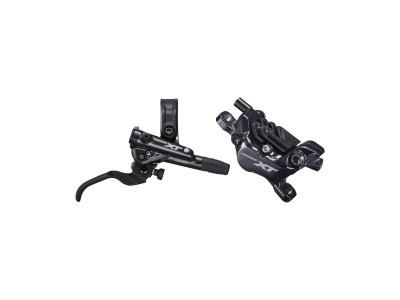
Clearance Shimano Deore XT BR-M8120 hydr. rear brake, Post Mount, 1700 mm hose, OEM
179 €
RRP 219 €

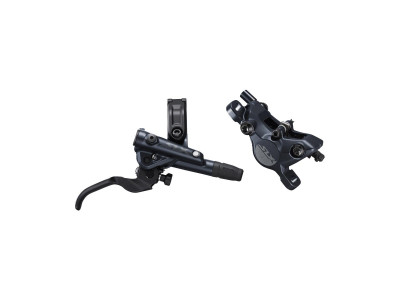
savings Shimano SLX BR-M7100 hydraulic rear brake, Post Mount, 1 700 mm hose + G03S brake pads
77.99 €
savings
RRP 129 €
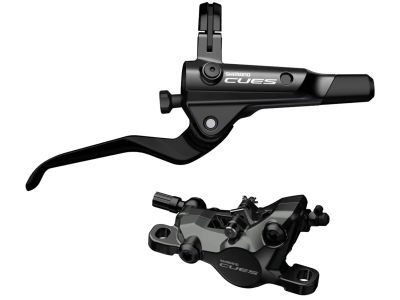
Sale -8% Shimano Cues BR-U8000 hydr. rear brake, 1 700 mm hose + G05A-RX pads
109 €
-8%
RRP 149 €
savings Shimano XT BR-M8100 hydraulic rear brake, Post Mount, hose 1,700 mm + J04C pads
129 €
savings
RRP 189 €
-6% Shimano Deore XT BR-M8100 hydr. rear brake, Post Mount, 1 400 mm hose + G05A pads, OEM
84.90 €
-6%
RRP 149 €
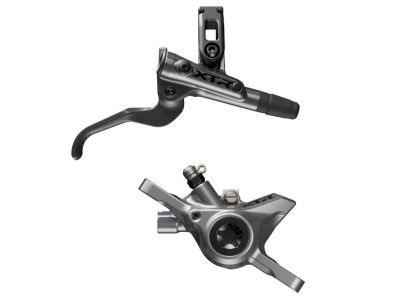
-16% Shimano XTR BL-M9200/BR-M9200 hydr. rear brake, Post Mount, 1 700 mm hose + pads
174.90 €
-16%
RRP 279 €
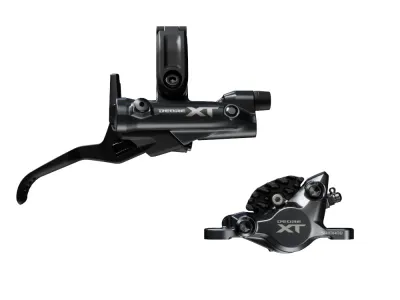
Sale -5% Shimano Deore XT BL-M8200/BR-M8200 hydr. rear brake, Post Mount, 1 700 mm hose + G05A pads
179 €
-5%
RRP 219 €
You can try these searches
Why shop with us?
Find out what makes us special

1 500 000+ orders
We are the largest cycling e-shop in Slovakia, verified by 100,000+ customers.

Unique customer service
We are available via e-mail, online chat, phone or in person at our MTBIKER stores.

We actively support the cycling community in Slovakia
Thanks to your order we can support cycling development.

Secure payment methods
The payment process is safe and we offer you a wide range of options.

Loyalty program
We will reward you for your purchase and also for quality contributions in the MTBIKER forum, e-shop, trips and photo gallery.

MTBIKER centre and showroom
Visit our store with a pump-track and trail access or our showroom in a historical bulding in central Bratislava.

 arrow_outward

Variant Shimano Deore XT BR-M8100 hydr. zadná brzda, Post Mount, had. 1 700 mm + platničky G05A
 komplet s adapterom: https://www.mtbiker.sk/shop/komponenty/brzdy/diely-a-adaptery/shimano-adapter-z-is-na-pm-zadny-180-mm.html
Translate by GoogleShow the originala kotucom https://www.mtbiker.sk/shop/komponenty/brzdy/brzdove-kotuce/shimano-kotuc-brzdovy-slx--rt66-180-mm-6-dier.html
brzdi super a bez rezonancii alebo piskania. co bol aj dovod vymeny za moju staru brzdu avid s 185 kotucom tiez od avidu.
Variant Shimano Deore XT BR-M8100 hydr. zadná brzda, Post Mount, had. 1 700 mm + platničky G05A
I am satisfied. I bought as a replacement for a formula cura (xc version 2 pistons, not 4 pistons) on a 160mm disc for the rear wheel, where the cura braked miserably, although it is a very light system. This Shimano xt, on the other hand, brakes incomparably better. For illustration - for example, I flex (with normal pressure on the lever) with the rear wheel (160mm disc, 29, maxxis icon) on the asphalt, even if I'm weighted backwards (I have other bikes, so I know that's normal ) there was no danger with the formula. Unmounted lever 115g, caliper with unshortened tube 165g - weighed on a kitchen scale. After casting and shortening the hose, I guess it will give out about 275g.
Som spokojný. Kúpil som ako náhradu za formula cura(xc verzia 2 piestova, nie 4 piest) na 160mm kotúči na zadné koleso, kde cura brzdila žalostne, hoci je to veľmi ľahký systém. Toto Shimano xt oproti tomu brzdí neporovnateľne lepšie. Pre ilustráciu- napr zaflekujem(normálnym tlakom na páku) zadným kolom(160mm kotúč, 29, maxxis ikon) na asfalte aj keď som navážený dozadu(mám aj iné bicykle takže viem, že to je normálne ) to s formulou nehrozilo. Nenahodená páka 115g, strmeň s neskrátenoi hadičkou 165g - vážené na kuchynskej váhe. Po nahodení a skrátení hadice to hádam do nejakých 275g vydá.
Show translationAutomatically translatedVariant Shimano Deore XT BR-M8100 hydr. zadná brzda, Post Mount, had. 1 500 mm + platničky G05A, OEM
 Je to kvalita od shimana.Vyskytli sa vsak problemy skompletnostou dodavky,chybal strmen.Po reklamacii mi bolo oznamene ze OEM verzia neobsahuje olivu a strmen.Oliva tam vsak je.Pochybujem ze vyrobca by chcel usetrit niekolko centov za strmen.OEM verzia je balena vo velkom sacku v ktorom su tri dalsie sacky.Ani jeden zo sackov nie je pevne uzavrety,takze predpokladam ze trn sa stratil pri manipulacii.No co,budem musiet kupit novu olivu aj trnom,pretoze samostatne sa nepredavaju a oliva mi zostane do rezervy.
Translate by GoogleShow the originalVariant Shimano Deore XT BR-M8100 hydr. predná brzda, Post Mount, had. 1 000 mm + platničky G05A
 Super brzdy. Jazdim ich na XC a uplne postacuju aj na narocnejsie zjazdy. Brzdny ucinok skvely a nevadnu ani pri dlhsom zjazde. Ten rozdiel oproti Sram level TL je velmi velky. Uz viem preco kazdy hejtuje brzdy od sramu a pritom rozdiel v cene nie je velky. Zatial ich jazdim so zakladnymi platnickami a kotucmi od sramu. Ked platnicky vymenim za nejake s chladicom + kotuce za ice tech, tak sa zas posunu o nieco vyssie v kvalite.
Translate by GoogleShow the originalVariant Shimano Deore XT BR-M8100 hydr. zadná brzda, Post Mount, had. 1 700 mm + platničky G05A
 Na XC pri váhe 70kg viac než postačujúce, neviem čo som čakal, no úprimne som čakal viac (asi zázrak). Brzdy prídu rozdelené, takže pri skracovaní treba naraziť nový, pribalený, tŕň. S brzdami som robil prvý krát a nebolo to zložité
Translate by GoogleShow the originalVariant Shimano Deore XT BR-M8100 hydr. predná brzda, Post Mount, had. 1 000 mm + platničky G05A
 Pekne XT brzdy, už som ich mal na prvom Mondrakeri a teraz som ich kupoval aj na druhý Mondraker, bol som s nimi spokojný predtým aj teraz. Akurát som hneď menil platničky sa druhé s chladičom.
Translate by GoogleShow the originalVariant Shimano Deore XT BR-M8100 hydr. predná brzda, Post Mount, had. 1 000 mm + platničky G05A
 Na XC pri váhe 70kg viac než postačujúce, no čakal som viac. Brzdy prídu rozdelené, takže pri skracovaní treba naraziť nový, pribalený, tŕň. S brzdami som robil prvý krát a nebolo to zložité
Translate by GoogleShow the originalVariant Shimano Deore XT BR-M8100 hydr. predná brzda, Post Mount, had. 1 000 mm + platničky G05A
 Brzdy sú skvelé, dobrý brzdný výkon, príjemná páčka, nesuchocu za jazdy, váha mňa nezaujíma. Trošku ma prekvapilo že neboli zmontovane ale ani v popise som si to nepozeral. Proste spokojnosť.
Translate by GoogleShow the originalVariant Shimano Deore XT BR-M8100 hydr. zadná brzda, Post Mount, had. 1 700 mm + platničky G05A
 spokojnost. Brzda prisla odpojena ale s nahradnym trnom, platnicky instalovane. Hadicu som si skratil, natlkol trn, nahodil lievik rychlo odvzdusnil a vsetko pekne funguje.
Translate by GoogleShow the originalVariant Shimano Deore XT BR-M8100 hydr. zadná brzda, Post Mount, had. 1 700 mm + platničky G05A
 Brzdy sú skvelé, dobrý brzdný výkon, príjemná páčka, nesuchocu za jazdy, váha mňa nezaujíma. Trošku ma prekvapilo že neboli zmontovane, ale ani som to v popise nehľadal.
Translate by GoogleShow the originalVariant Shimano Deore XT BR-M8100 hydr. zadná brzda, Post Mount, had. 1 700 mm + platničky G05A
 neviem ci je niekto v mojej uzivatelskej kategorii kto by dokazal povedat nieco zle na tieto brzdy je to proste mega rozdiel oproti MT400
Translate by GoogleShow the originalVariant Shimano Deore XT BR-M8100 hydr. zadná brzda, Post Mount, had. 1 700 mm + platničky G05A
 Obľúbené brzdy asi, na XC a kľudne aj traily absolútne dostačujúci účinok a nech si každý vraví čo chce ale ten ON/OFF pocit mám proste rád.
Translate by GoogleShow the originalVariant Shimano Deore XT BR-M8100 hydr. predná brzda, Post Mount, had. 1 000 mm + platničky G05A
 S brzdami som maximálne spokojný okamžite reakcie pri brzdení brzdenie jedným prstom je veľmi rýchlo návykové 🙂 určite odporúčam
Translate by GoogleShow the originalVariant Shimano Deore XT BR-M8100 hydr. predná brzda, Post Mount, had. 1 000 mm + platničky G05A
 Nie je čo vytknúť, najlepšie brzdy na trhu, maximálna spoľahlivosť, na druhom bikeu ich mám už 4 roky, absolútne bez údržby
Translate by GoogleShow the originalVariant Shimano Deore XT BR-M8100 hydr. zadná brzda, Post Mount, had. 1 450 mm + platničky G03A, OEM
 I don’t think anyone needs an introduction to the Shimano Devore XT brand. It’s unbeatable value for money at €89,90.
Translate by GoogleShow the originalVariant Shimano Deore XT BR-M8100 hydr. zadná brzda, Post Mount, had. 1 700 mm + platničky G05A
 veľmi dobré a ľahké brzdy, kúpil som ich už na druhý bike. Akurát som menil platničky za druhé s chladičom.
Translate by GoogleShow the originalVariant Shimano Deore XT BR-M8100 hydr. zadná brzda, Post Mount, had. 1 700 mm + platničky G05A
 Pre nenarocne brzdenie, ked netreba stvorpiestik, tak brzdy za super cenu s malymi packami na jeden prst
Translate by GoogleShow the originalVariant Shimano Deore XT BR-M8100 hydr. zadná brzda, Post Mount, had. 1 700 mm + platničky G05A
 upgrade z MT400,montoval som sám,kukol nejaké video na YT a nebol s tým žiadny problém,úplná spokojnosť
Translate by GoogleShow the original Ahoj, prosím ťa, mohol by si mi poslať link na video ako vymeniť tieto brzdy? Nedarí sa mi niečo nájsť. Trochu ma prekvapilo, že nie sú zmontované
Translate by GoogleShow the originalďakujem,
Variant Shimano Deore XT BR-M8100 hydr. predná brzda, Post Mount, had. 1 000 mm + platničky G05A
 upgrade z MT400,montoval som sám,kukol nejaké video na YT a nebol s tým žiadny problém,úplná spokojnosť
Translate by GoogleShow the originalVariant Shimano Deore XT BR-M8100 hydr. zadná brzda, Post Mount, had. 1 700 mm + platničky G05A
 Musel som vrátiť, zlé som objednal, vzadu mám Flat Mount, ale Shimano XT je super oproti Shimano MT200
Translate by GoogleShow the original