We have noted your interest.
Road and gravel disc brakes
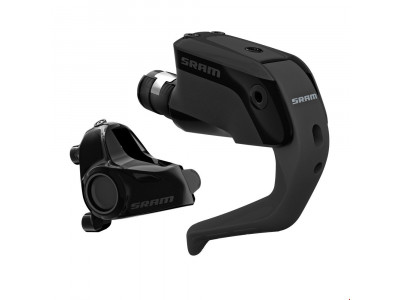
The disc brake system has proven itself in mountain biking for years and, thanks to technological advances, has become dominant in the road and gravel bike segment. For road and gravel cycling, we distinguish two basic types of brakes that affect braking performance, maintenance, and price.
Hydraulic disc brakes
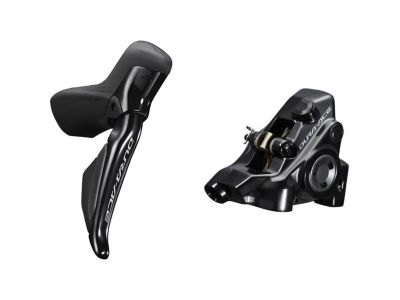
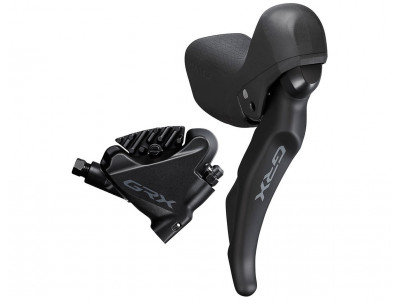
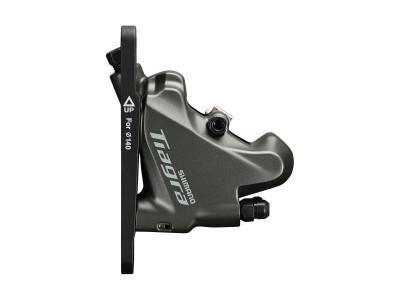
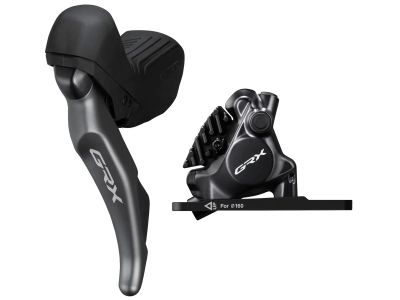
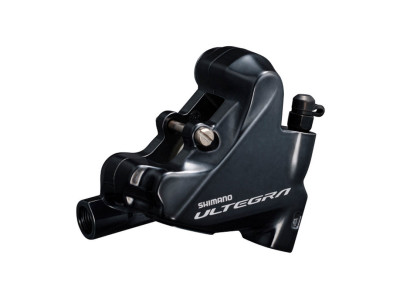
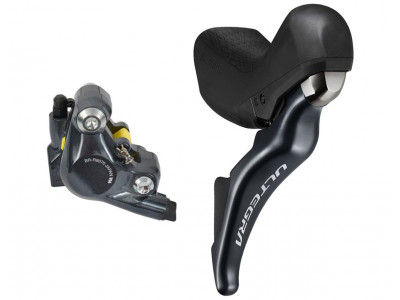
Hydraulic brakes are a premium choice and a dominant trend on modern road and gravel bikes.
- Power transmission: Fluid (mineral oil or DOT) transmits power from the brake lever to the caliper.
- Key benefits:
- Higher braking effect and power
- Excellent modulation (fine dosing capability)
- Low effort required to press the lever.
- Disadvantages: Higher price and slightly more demanding maintenance (need for occasional bleeding).
- Intended use: Competition use, long descents, riding in all weather conditions and for those who require maximum reliability and control.
Mechanical disc brakes
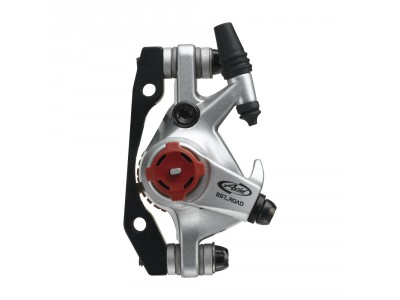
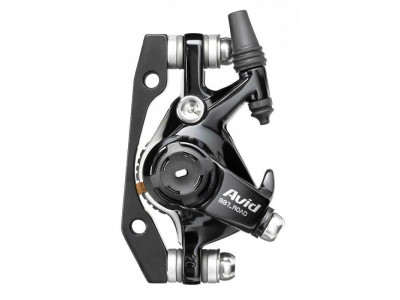
Mechanical brakes are a more affordable alternative that still outperforms rim brakes when it comes to performance in wet conditions.
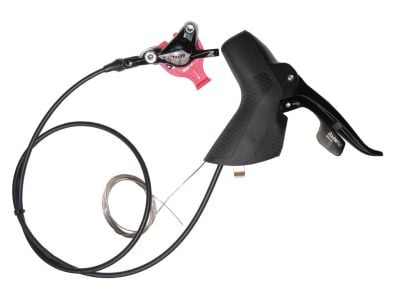
- Power transmission: A steel cable transmits the pull from the brake lever to the caliper.
- Key benefits:
- Lower price of the entire brake system.
- Very simple service (just replace the cable), which even a less experienced cyclist can handle.
- Easy setup.
- Disadvantages: Higher lever effort, lower modulation and force compared to hydraulic systems, cables can stretch over time.
- Intended use: Ideal for hobby riders, winter training bikes or bikes on a lower budget where maximum braking performance is not key.
Is it possible to install disc brakes on an older road bike with rim brakes?
In most cases, no. To install disc brakes, you need a special frame and fork with brake caliper mounts (Flat Mount or Post Mount). In addition, you need to have wheels with hubs that allow for disc brake mounting (6-hole or Center Lock).
How often do hydraulic disc brakes need to be bled?
Hydraulic brakes are a closed system and, if properly bled, should last a long time without any problems. However, it is recommended to change the brake fluid and possibly bleed the system once every one to two years, or whenever you feel that the brake lever has become soft or the braking performance is inconsistent.
What size brake disc should I choose (140 mm or 160 mm)?
- Road bikes typically use discs with a diameter of 160 mm (front) and 140 mm (rear).
- For gravel bikes that ride in more challenging terrain and are frequently loaded with gear (bikepacking), we recommend 160 mm rotors on both wheels for maximum braking performance and better cooling. A larger rotor provides more leverage and better heat dissipation.
"How to fix noisy disc brakes"
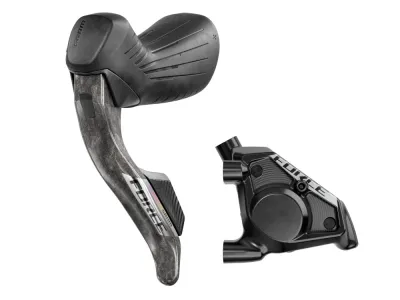
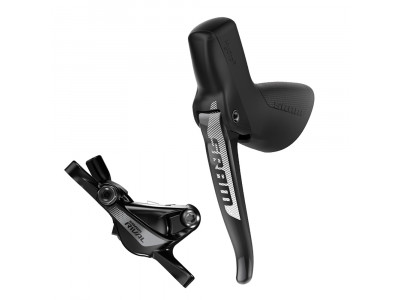
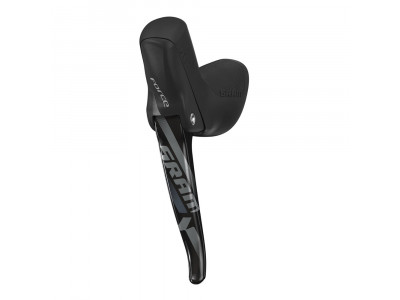
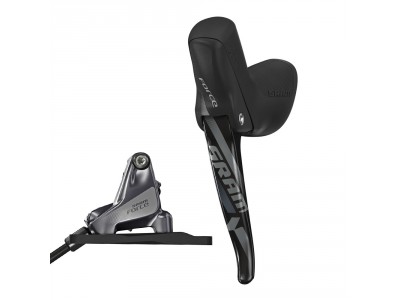
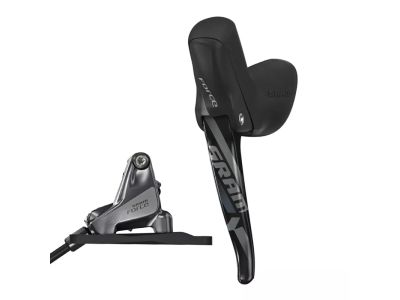
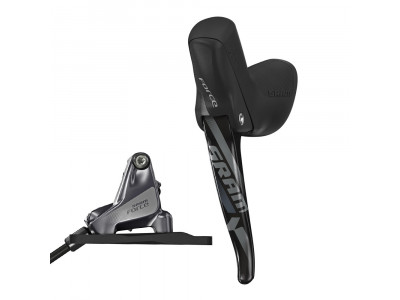
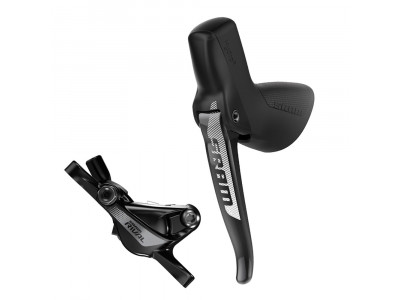
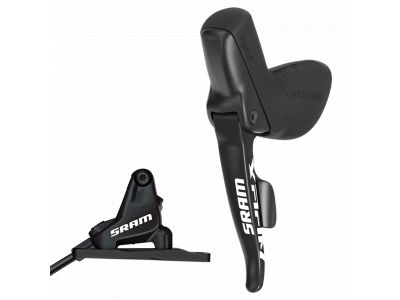
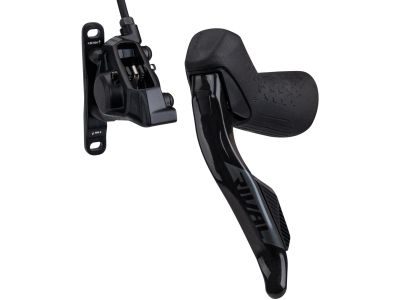
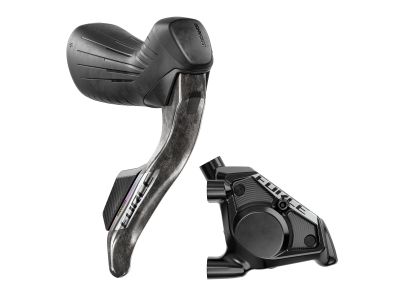
-9% SRAM Force AXS E1 Carbon gear shift/hydr. brake, left, 2x12/13, Flat Mount, 950 mm hose
299 €
-9%
RRP 409 €
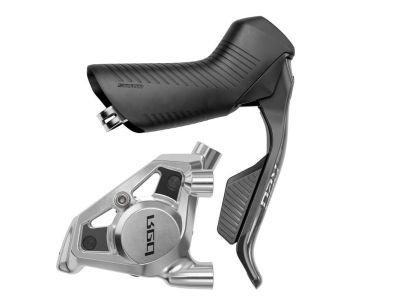
savings SRAM Red AXS E1 gear shift/hydr. brake, 12-sp., right, Flat Mount, 1 800 mm hose
539 €
savings
RRP 809 €
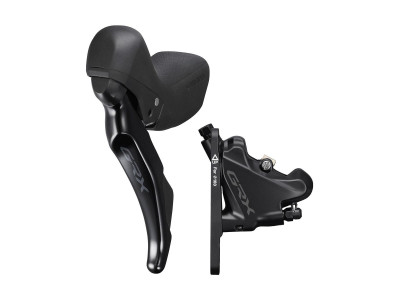
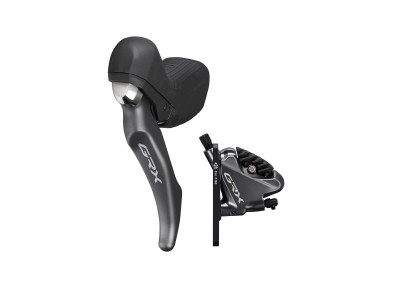
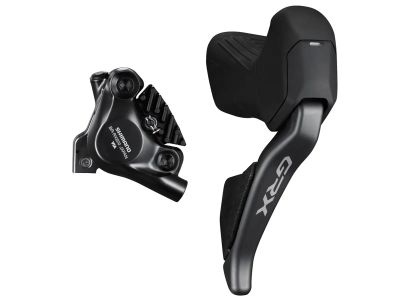
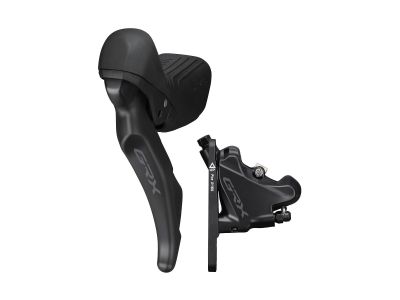
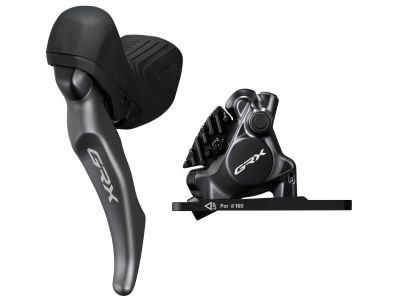
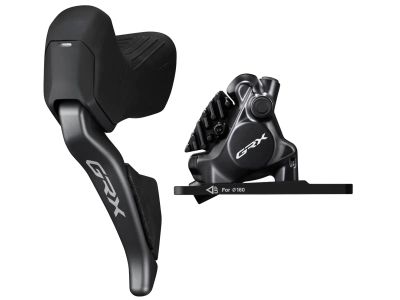
Sale -17% Shimano GRX ST-RX400L/BR-RX400F gear shift/hydr. brake, left, 2x10, 1 000 mm hose
157 €
-17%
RRP 245 €
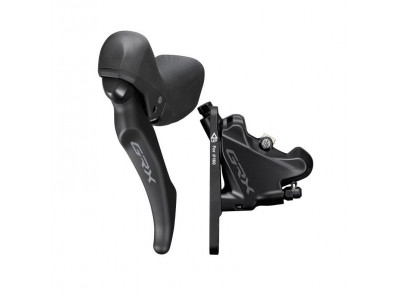
Clearance -22% Shimano GRX BL-RX810/BR-RX810-F Dual Control hydr. front brake, Flat Mount 1,000 mm hose + L03A pads
219 €
-22%
RRP 352 €
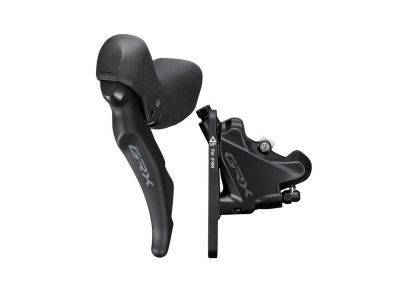
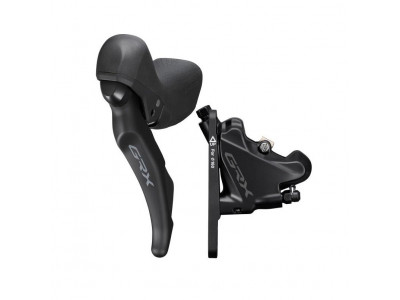
Sale -12% Shimano GRX BL-RX600L/BR-RX400 front brake, left, 1x11, Flat Mount, hose 1000 mm + brake pads L03A
182 €
-12%
RRP 275 €
-15% Shimano Tiagra BR-R4770-F hydr. brake caliper, front, flat mount + pads L05A
49.90 €
-15%
RRP 68.99 €
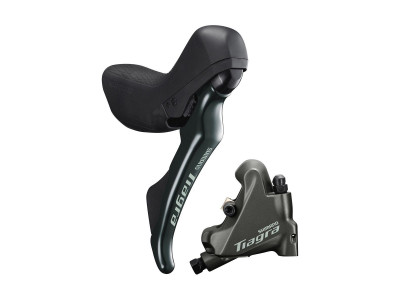
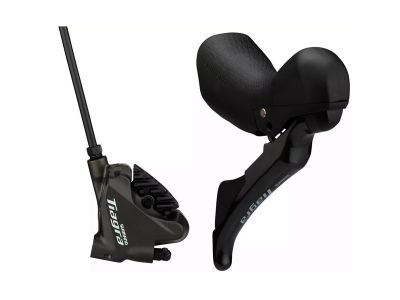
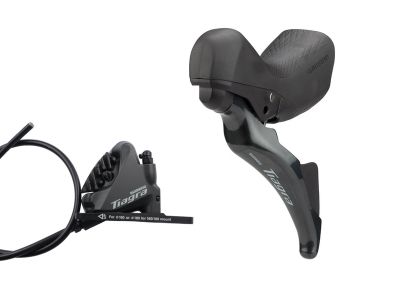
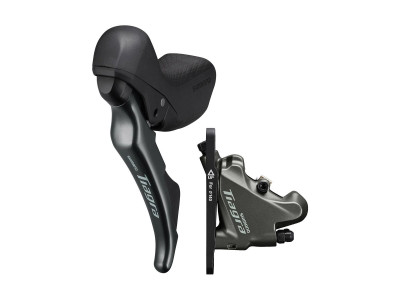
-15% Shimano Tiagra ST-R4720/BR-R7020 Dual Control mech. gear shift/hydr. brake, 10-sp., right
208 €
-15%
RRP 245 €
-15% Shimano Tiagra ST-R4720/BR-R7020 Dual Control mech. gear shift/hydr. brake, 2x10, left
208 €
-15%
RRP 245 €
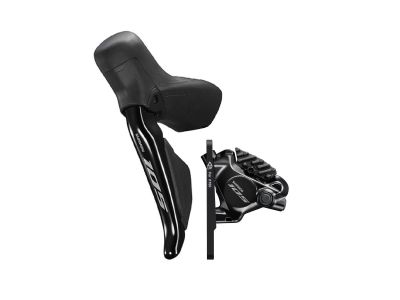
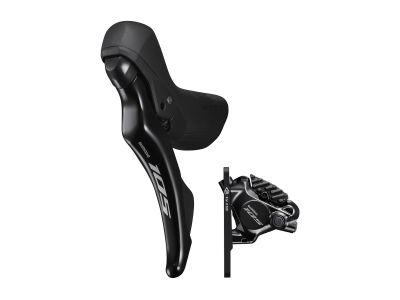
savings Shimano 105 ST-R7120/BR-R7170 shifting/hydr. brake, 2x12, left
192 €
savings
RRP 349 €
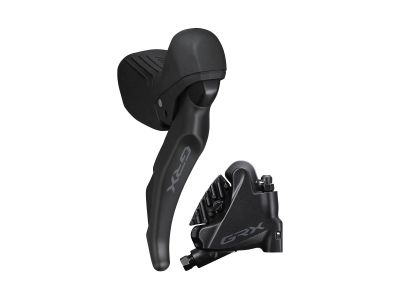
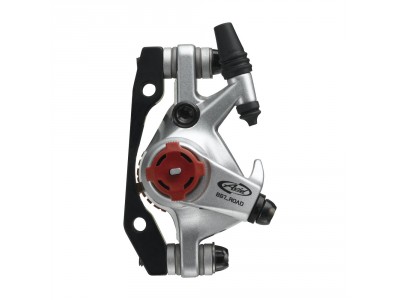
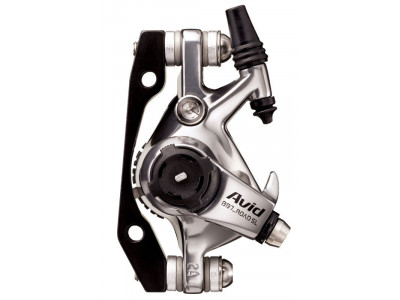
-20% Avid BB7 Road Platinum, CPS disc brake front / rear 160mm
85.99 €
-20%
RRP 108 €
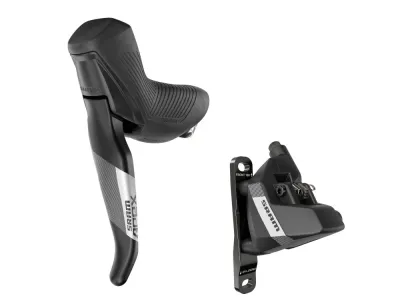
-20% Avid Ball Bearing BB7 Road Platinum CPS disc brake front / rear 140mm
85.99 €
-20%
RRP 108 €