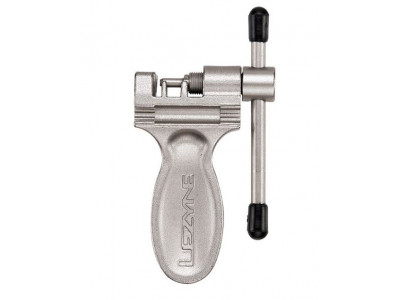
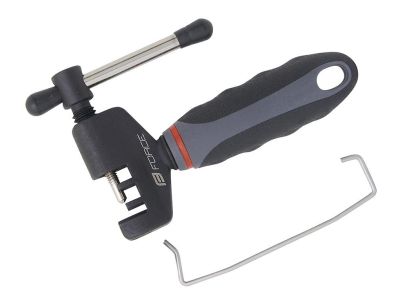
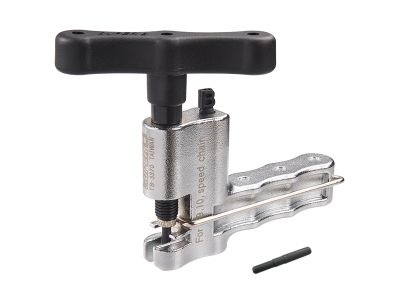
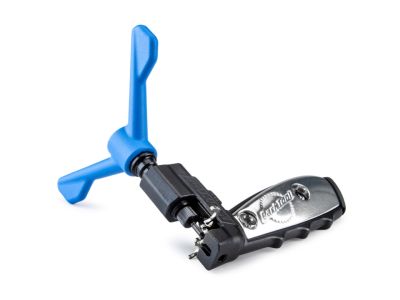
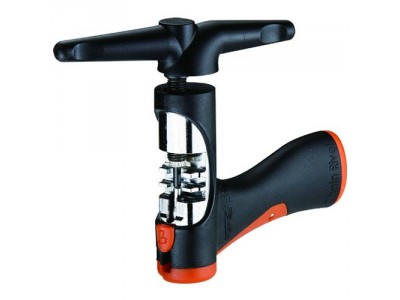
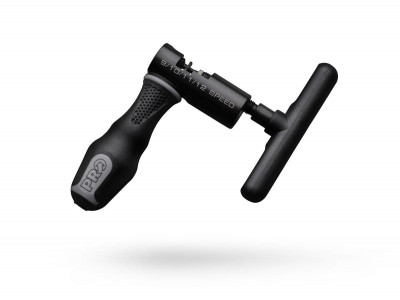
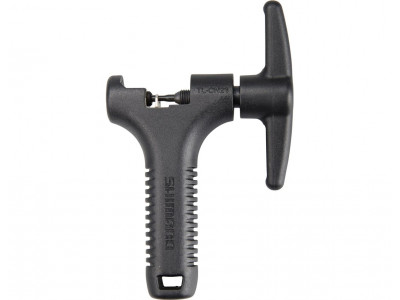
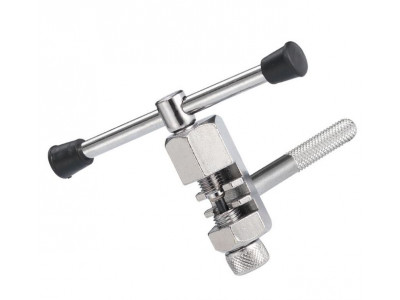
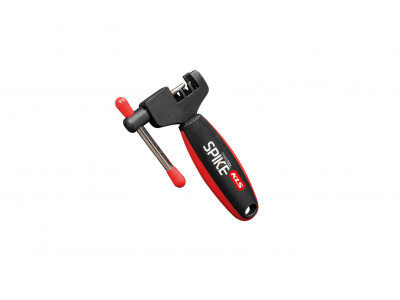
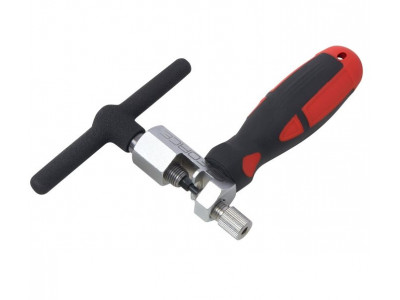
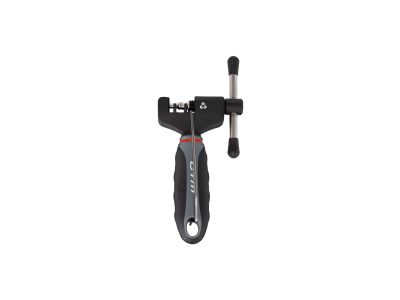
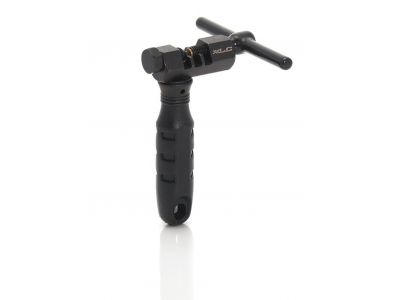
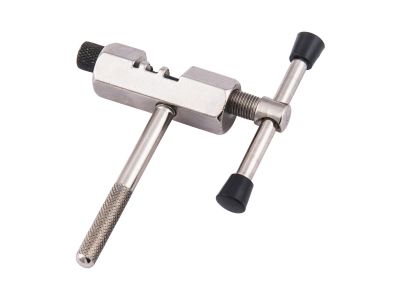
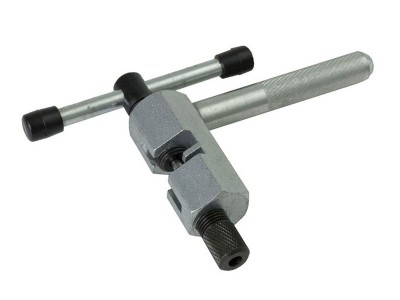
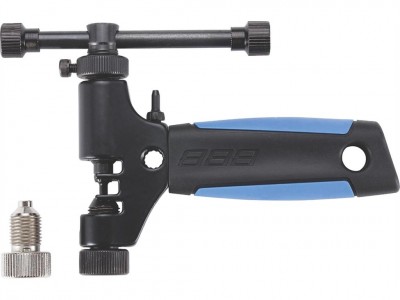
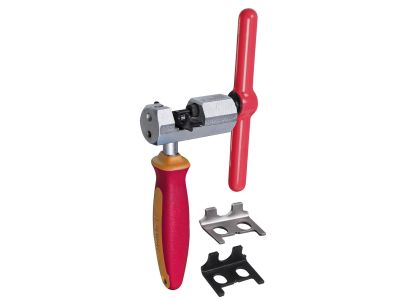
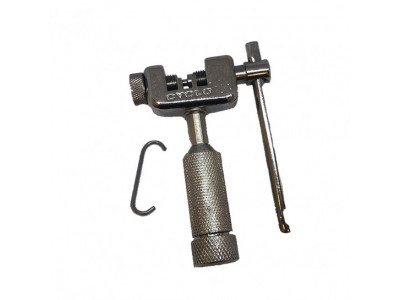
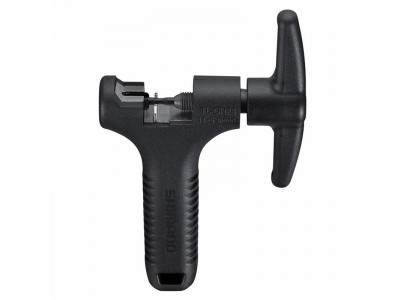
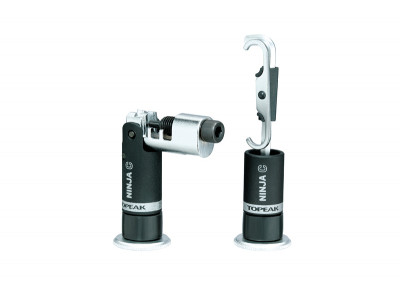
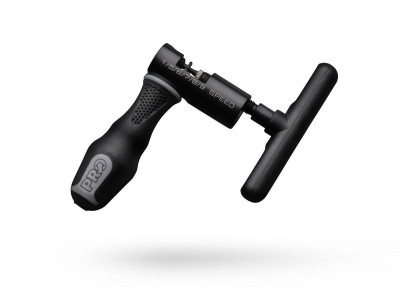
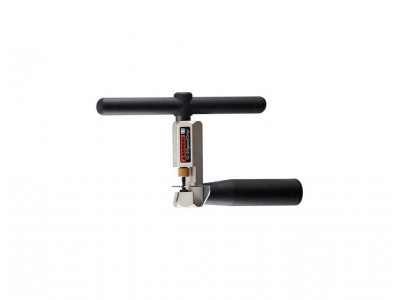
A broken chain doesn't have to mean the end of your bike ride. A chain riveter is a key tool that should be in every cyclist's toolbox. Whether you need to shorten your chain when installing a new set or make an emergency repair right on the trail, a quality riveter will allow you to precisely press and press the chain pins without damaging it.
When is it necessary to use a riveter?
Shortening a new chain: New chains are sold in a universal length (usually 114 to 126 links) and must be shortened to the length of the old chain or the geometry of your bike before installation.
Repairing a broken chain: If your chain breaks while riding, you must use a riveter to remove the damaged outer slats and reconnect the chain with either a replacement rivet pin or a quick-release coupling.
Cleaning and Maintenance: Although quick-release couplings are preferred today, some cyclists still use disconnection and re-riveting to deep clean the drivetrain.
How to rivet a bicycle chain?
To rivet a chain, simply follow these steps:
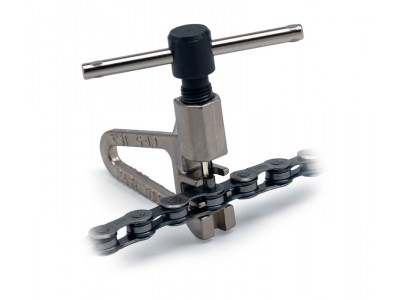
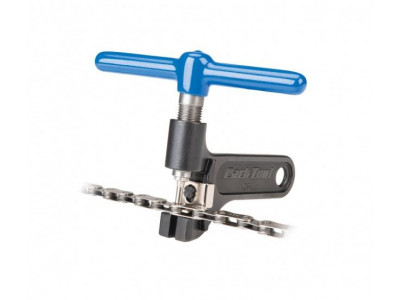
Placing the chain in the riveter: Place the chain in the riveter grooves so that it rests against the wall of the tool. The pin you want to push out must be exactly in line with the riveter mandrel (tip).
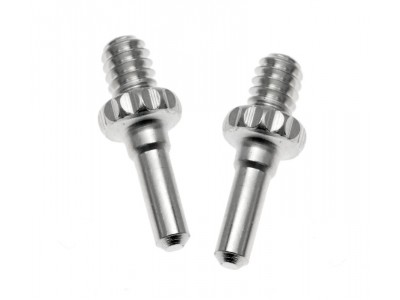
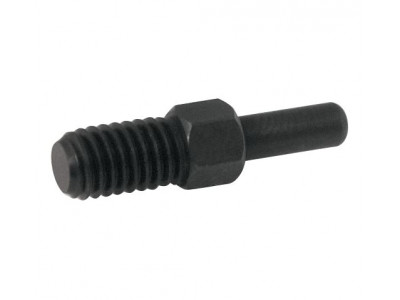
Pushing the stud out: Slowly turn the riveter handle. The mandrel will start to push the stud out. If you feel too much resistance, check that everything is centred.
Be careful not to push the pin out completely: If you don't plan on connecting the chain with a quick-release, don't push the pin out all the way - leave it a little bit in the last slat. This will make connecting it easier later.
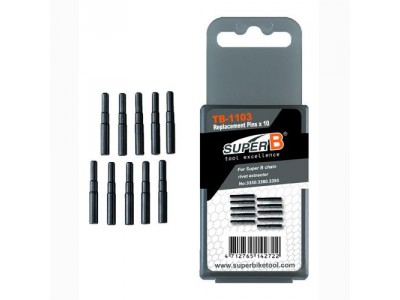
Connecting the chain: Thread the chain through the derailleur, connect the two ends and use a riveter to push the pin back in. The pin must be centred evenly on both sides of the link.
Loosening a Stiff Link: After riveting, the new joint is often stiff. Gently "untwist" the chain at the joint until the link begins to bend freely.
Quick release or rivet?
The current trend is towards using quick-release chain links, which allow for effortless assembly. However, even with a quick-release, you still need a riveter to remove excess chain links. With modern 11, 12 and 13-speed systems (Shimano, SRAM, Campagnolo), it is strongly recommended to use a new rivet or new link every time, as old rivets lose their strength after being pushed out.
Pay attention to chain compatibility
When choosing a riveter, the number of speeds in your drivetrain is crucial. Modern systems (11-speed, 12-speed or 13-speed) use narrower chains, which require universal or special precision riveters.


 arrow_outward
