Straight wheels are the foundation of a safe and smooth ride. Whether you're struggling with a tiny "figure eight", uneven spoke tension, or building a completely new set of wheels, the right alignment tool is a must. We have everything from simple alignment keys to professional alignment forks and strain gauges.
Quality wheel alignment not only improves braking efficiency (especially with rim brakes), but above all extends the life of rims and hubs by evenly distributing the tension in the spokes.
Basic wheel alignment tools
To achieve the perfect result, you will need several tools:
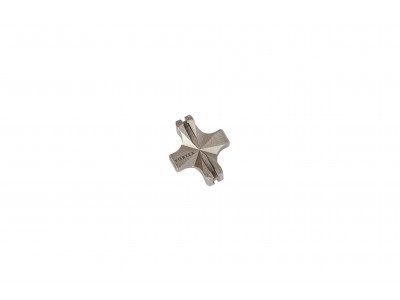
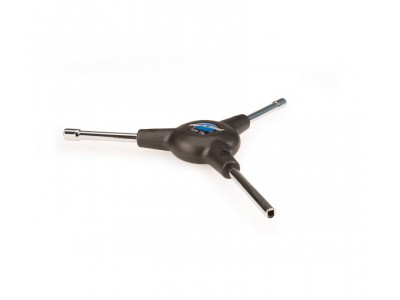
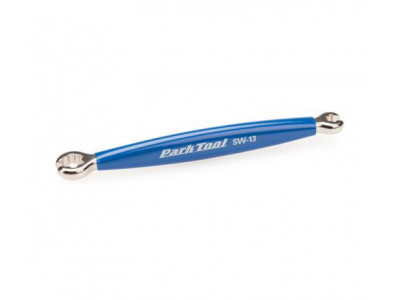
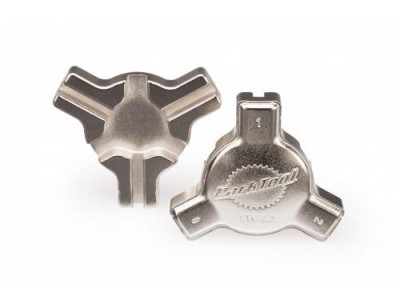
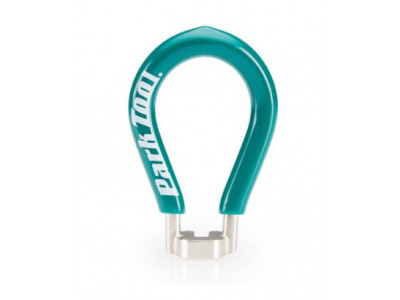
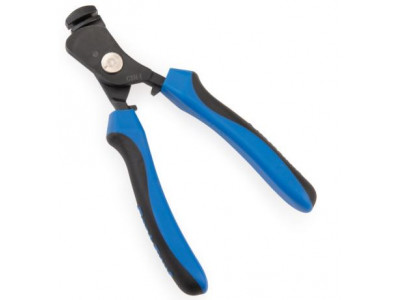
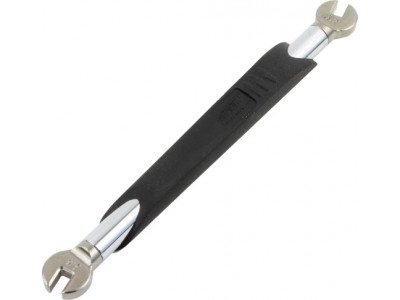
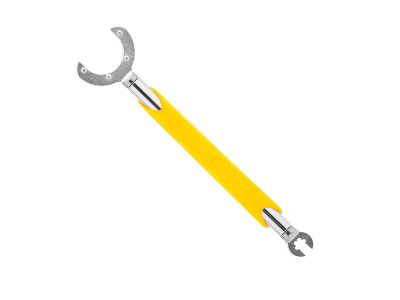
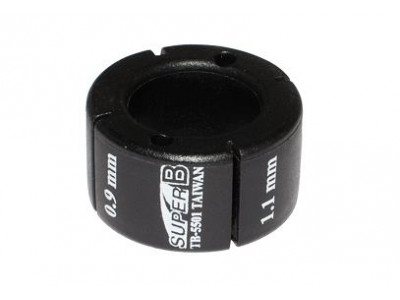
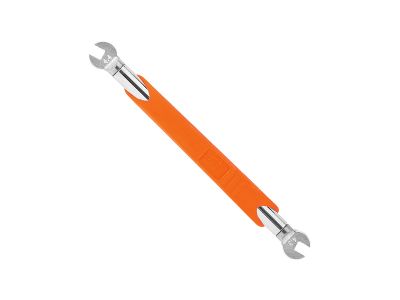
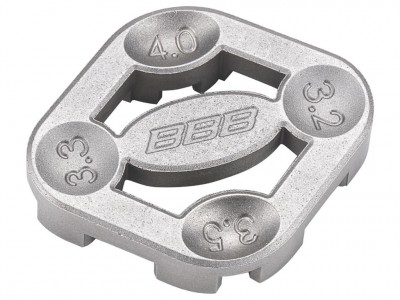
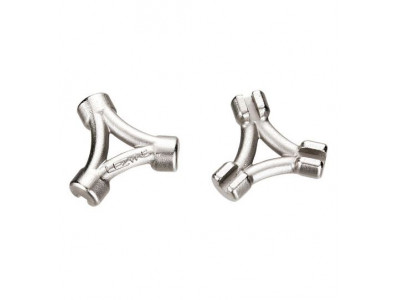
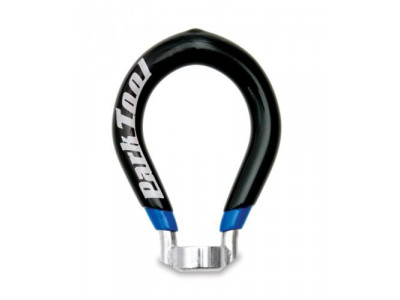
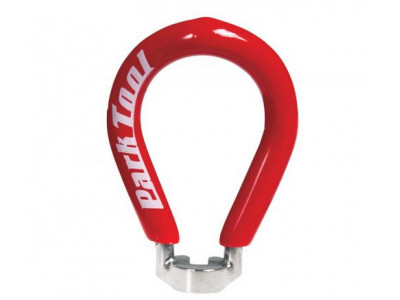
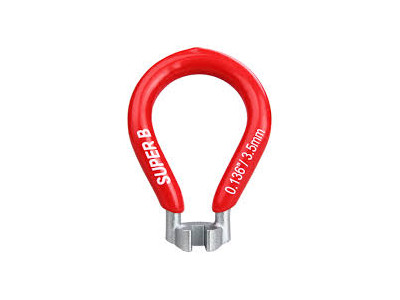
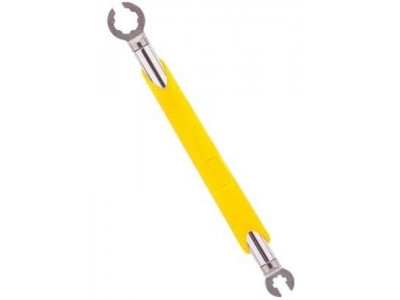
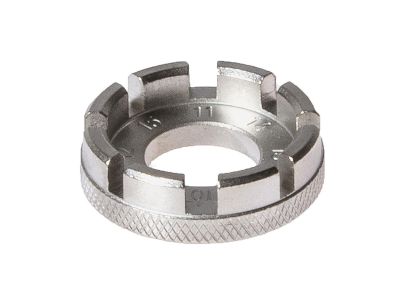
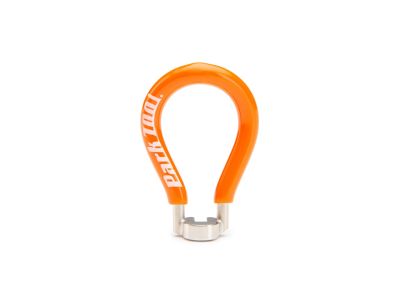
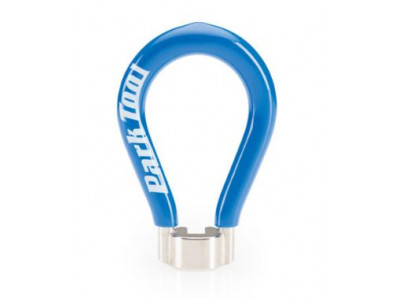
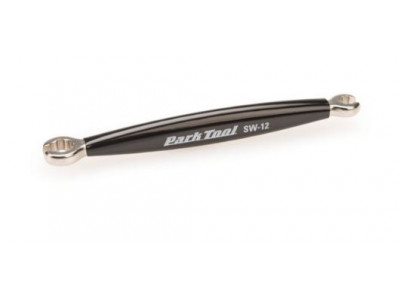
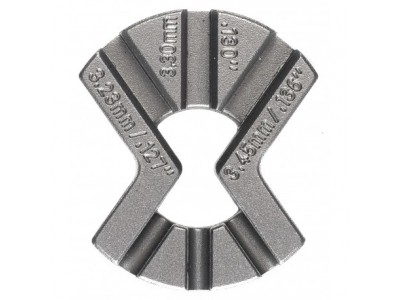
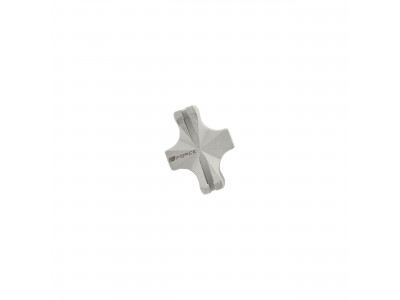
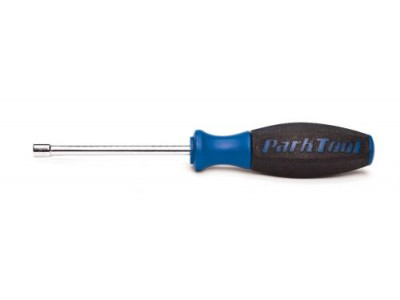
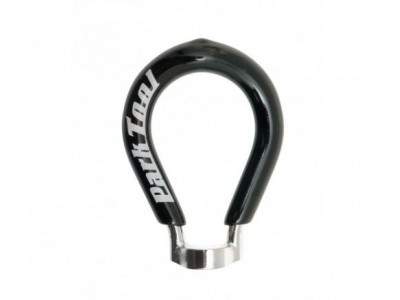
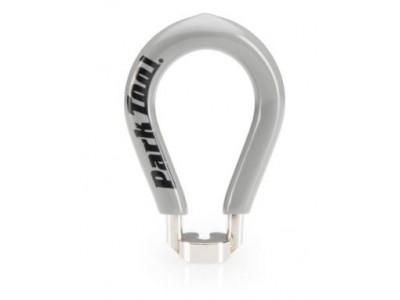
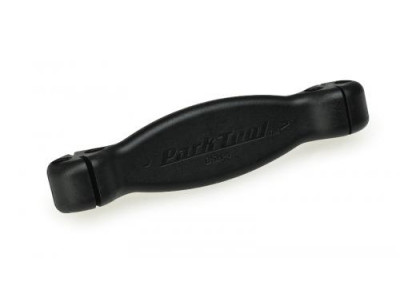
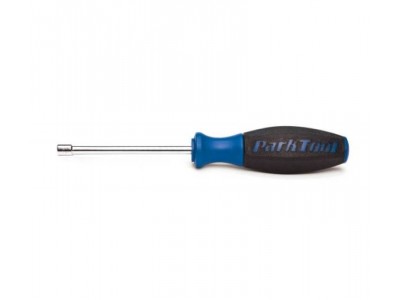
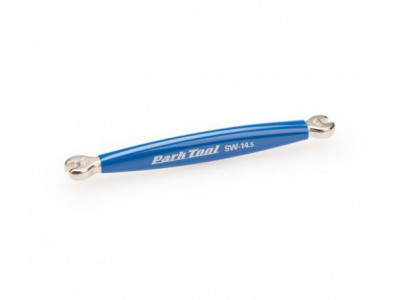
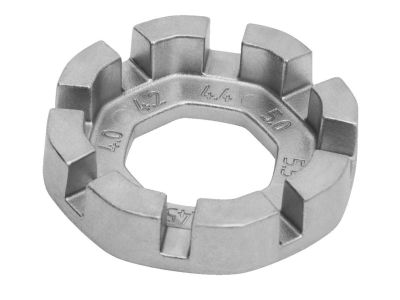
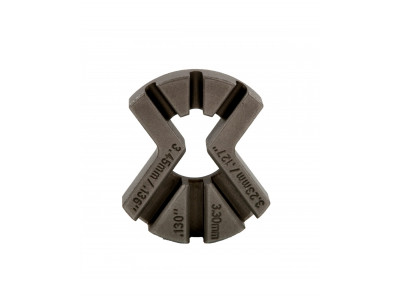
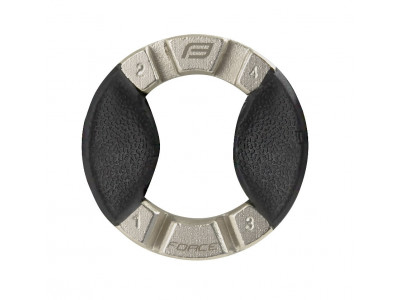
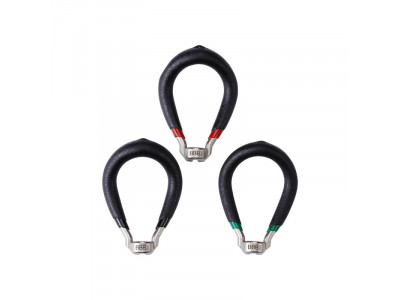
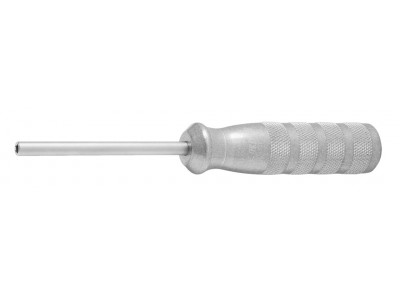
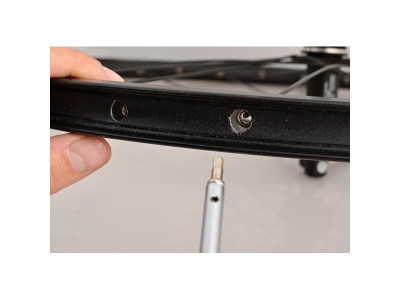
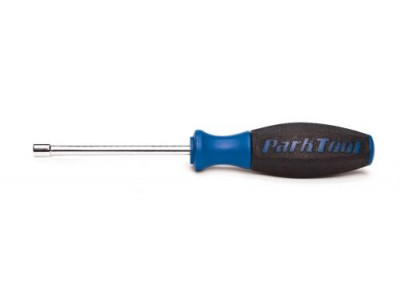
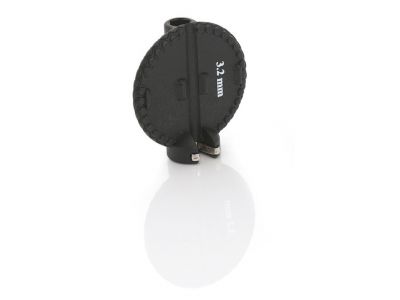
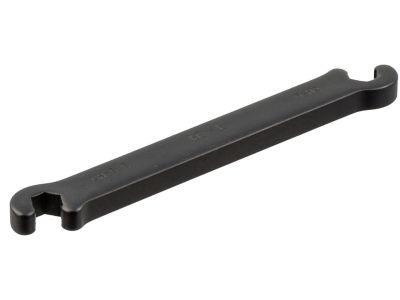
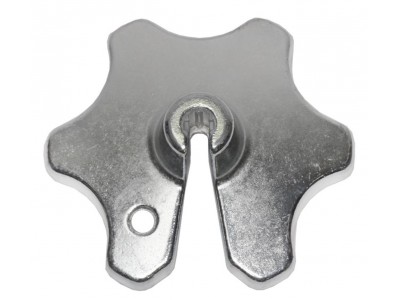
Centreing wrenches (nipple wrenches): A basic tool that should not be missing in any cycling kit. We offer wrenches for different nipple sizes (e.g. 3.2 mm, 3.4 mm) and specific systems (Mavic, DT Swiss). When choosing, make sure to use the correct tool to avoid damaging the nipples when tightening.
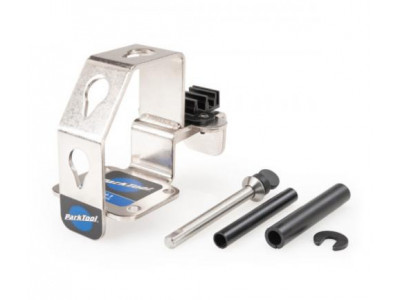
Centreing stands: If you're serious about wheel maintenance, a centreing stand is a key investment. This allows for precise monitoring of both lateral and vertical runout of the rim. You can choose from:
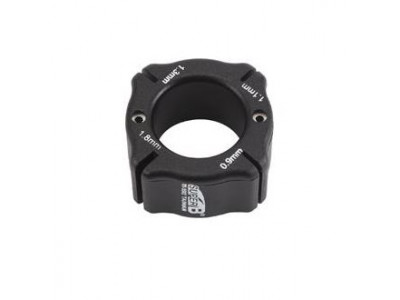
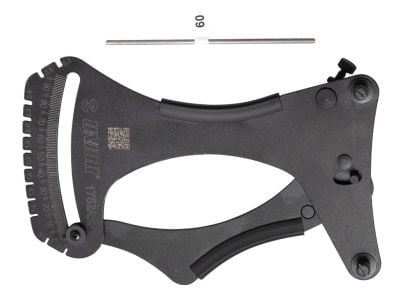
Strain gauges – measuring spoke tension: For the long-term stability of a wheel, it is not only important that it is straight but also that all spokes have equal tension. A strain gauge will allow you to accurately measure the tension of each wire, preventing them from cracking and material fatigue.
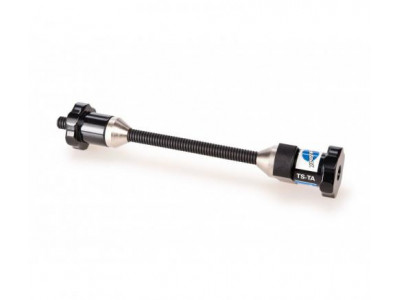
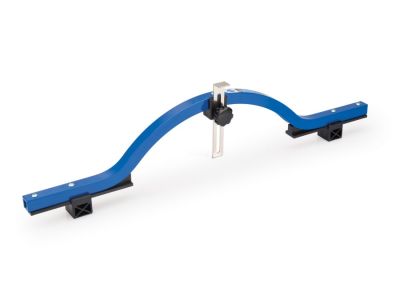
Dishing tools: This tool is used to check the symmetry of the wheel to the hub. This ensures that the wheel is exactly centred in the frame or fork, which is critical for proper geometry and trail of the bike.
Tips for proper centering
When aligning wheels, it is important to keep in mind:
Patience is key: When centreing, make smaller turns with the wrench (e.g. 1/4 turn) and continuously check the result.
Lubrication of nipples: Before centreing an older wheel, apply a drop of oil to the nipples. This will prevent them from "biting" and possibly cracking the spoke.
Check after riding: After the initial alignment of a new wheel, we recommend checking it again after approximately 100 km, as the spokes may "settle" slightly.
Is it necessary to have a centreing fork, or is it enough to centre directly in the bicycle frame?
Centreing the frame (e.g. using a cable tie attached to the fork) is possible for emergency repairs of the "figure eight". However, if you want to achieve professional accuracy and also deal with height runout ("egg”) or centreing (dishing), a centreing fork is irreplaceable. It provides stability and precise measuring tips that you cannot replace in the frame.
Can I centre a wheel without removing the tire and tube?
Yes, when repairing a small amount of lateral runout ("figure eight"), you can leave the wheel mounted and inflated. However, when completely aligning or building a wheel, it is best to remove the tire. The air pressure in the tube slightly compresses the rim and changes the tension of the spokes, which can distort the measurement with a strain gauge.



 arrow_outward
