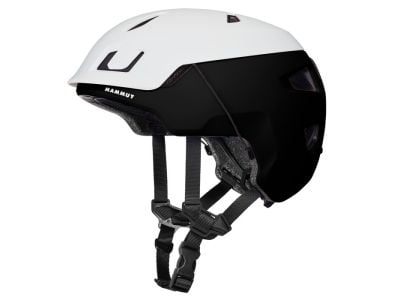
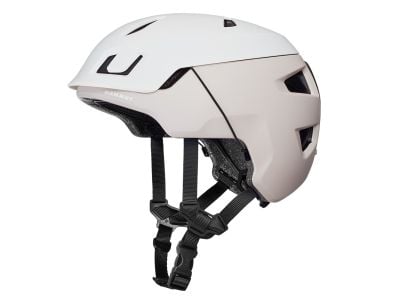
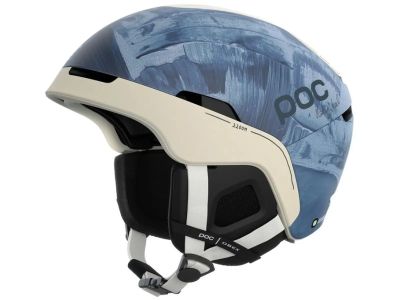
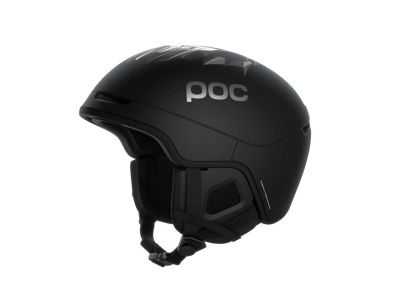
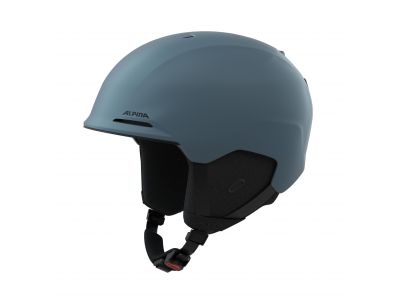
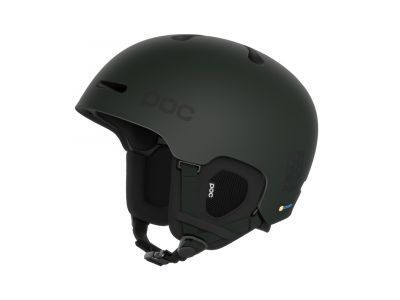
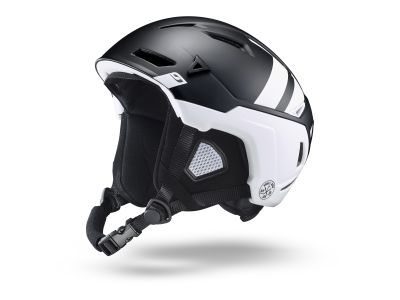
Skimo helmets are specifically designed for ski mountaineering. These helmets are lightweight, well-ventilated, and can be used with ski goggles. Skimo helmets typically have a lower profile than traditional ski helmets to reduce weight and increase comfort during long ascents. They also have a durable outer shell that protects against impacts from rocks, trees, and other hazards commonly encountered in mountainous terrain.
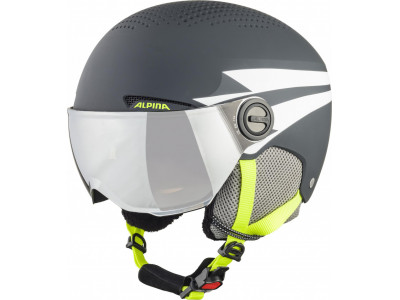
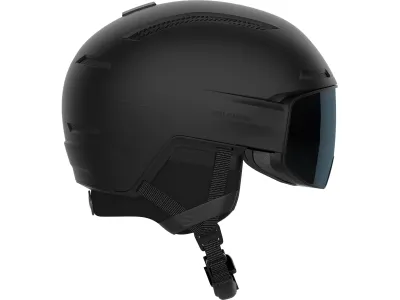
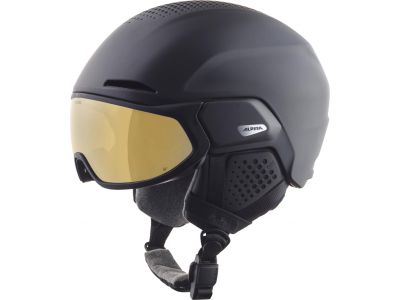
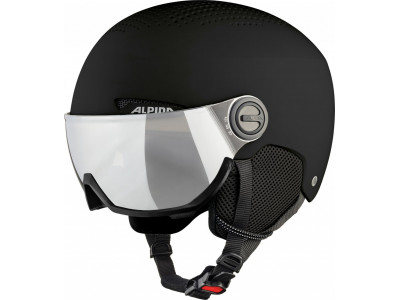
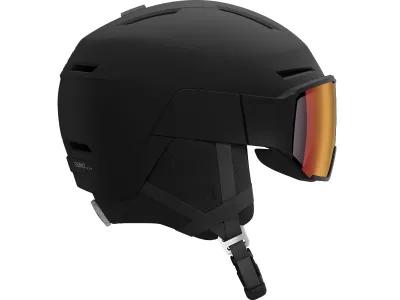
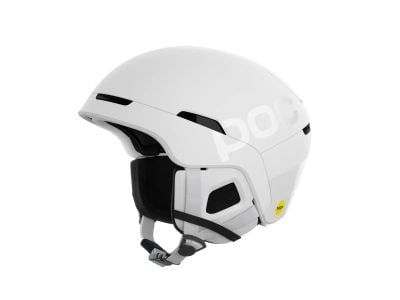
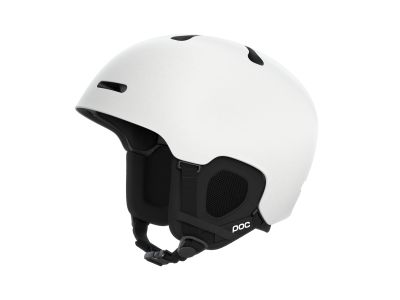
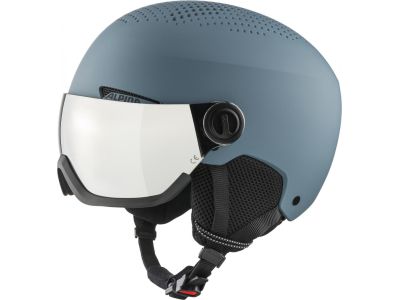
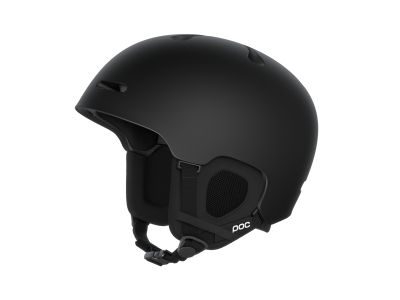
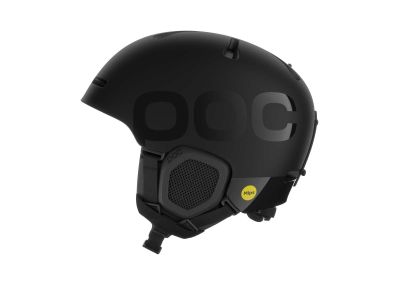
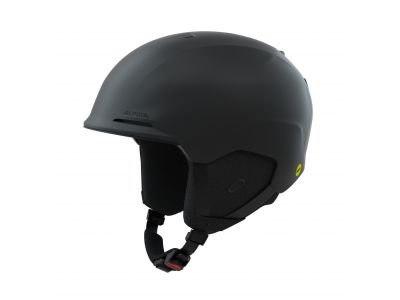
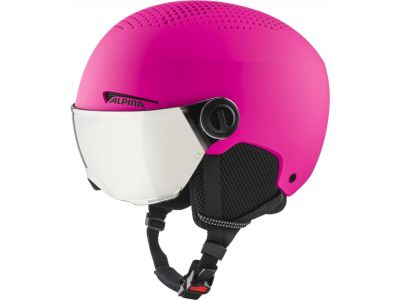
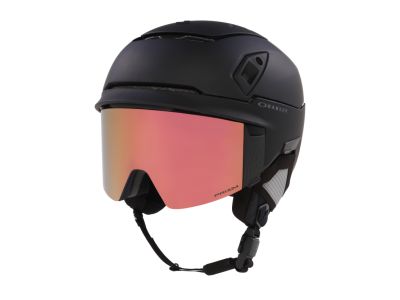
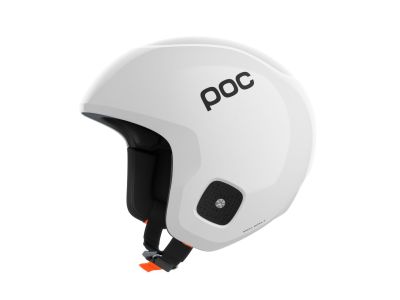
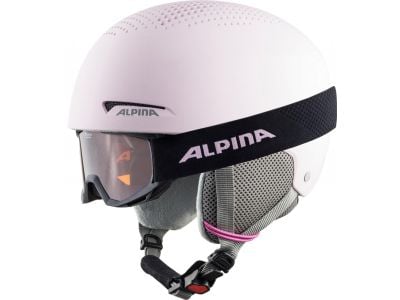
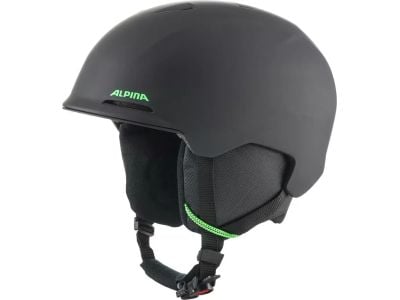
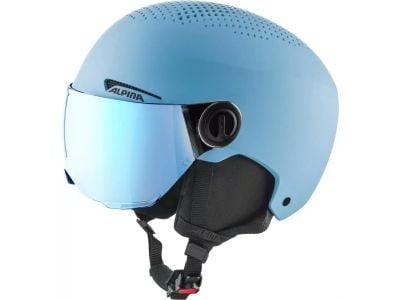
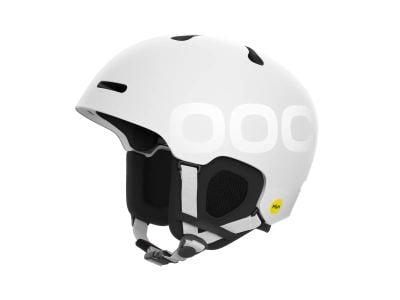
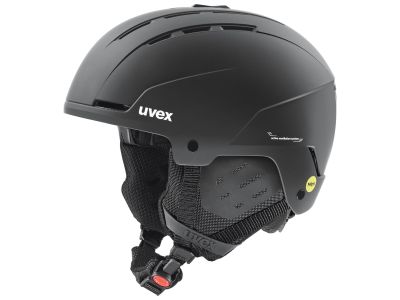
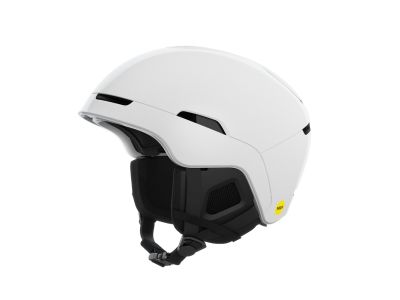
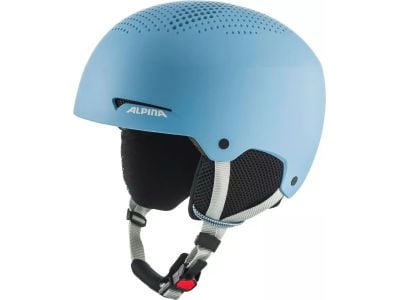
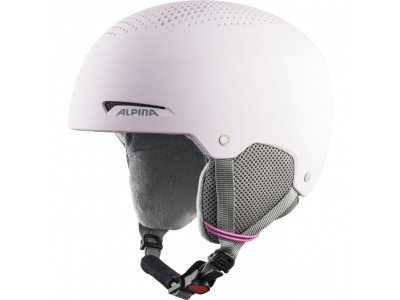
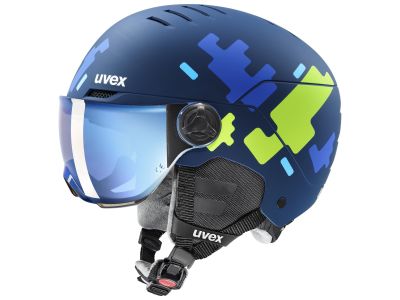
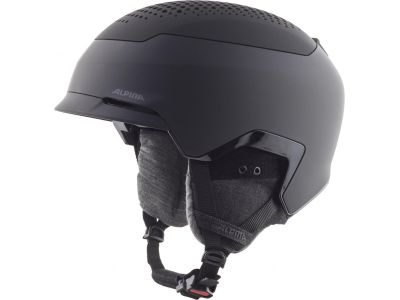
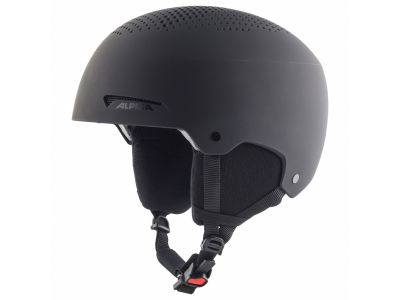
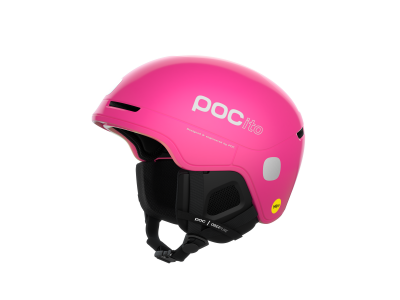
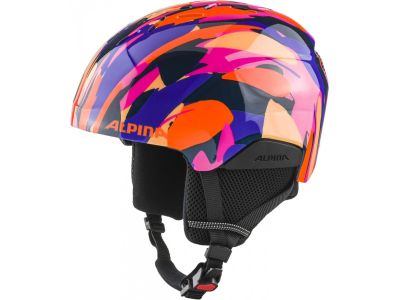
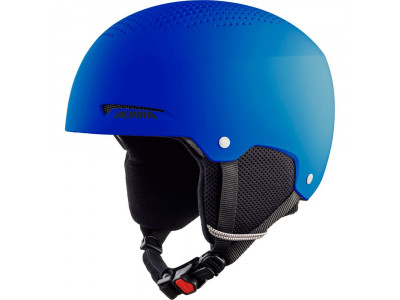
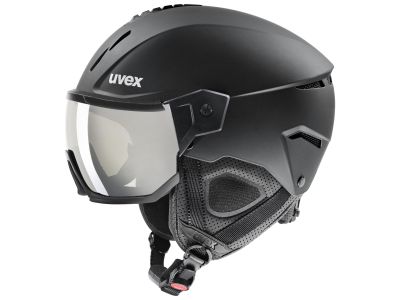
Ski helmets, on the other hand, are designed for use in ski resorts and are meant to provide protection during downhill skiing. These helmets typically have a hard outer shell and a soft inner liner that absorbs shock. Ski helmets often feature adjustable ventilation, removable earmuffs for added comfort, and a goggle clip to keep your goggles in place. Some ski helmets also come with built-in technology, such as MIPS (Multi-directional Impact Protection System), which increases safety in the event of a fall or collision.
Mountaineering helmets and ski helmets are essential for protecting your head from injuries while enjoying the slopes and freeride skiing. It is important to choose a helmet that fits well and meets safety standards to ensure maximum protection during skiing activities.
What are the differences between skimo helmets and ski helmets?
The main differences between a ski mountaineering helmet and a ski helmet are:
- Intended use: Ski mountaineering helmets are intended for mountaineering and ski mountaineering, which involves climbing hills and skiing in open terrain. Ski helmets are intended for downhill skiing and snowboarding in resorts.
- Weight and breathability: Ski mountaineering helmets are typically lighter and more breathable to accommodate the increased physical activity and potential for overheating and sweating during uphill climbing. Ski helmets can be heavier and are more focused on impact protection.
- Features: Ski mountaineering helmets may have features such as adjustable ventilation, headlamp mounts, and compatibility with ski mountaineering goggles. Ski helmets may have features such as a hard shell for impact protection, earmuffs for warmth, and compatibility with goggles.
- Protection: Ski mountaineering helmets may prioritize protection against minor impacts, lower weight, and ventilation, while downhill helmets prioritize protection against high impacts and falls.
Is it possible to use ski helmets instead of ski mountaineering helmets?
While both types of helmets provide protection, ski helmets and ski mountaineering helmets are designed with different features and for different purposes. It is recommended to choose a helmet that matches your specific skiing activities.
How often should I change my ski or ski mountaineering helmet?
It is recommended to replace your helmet every 3 to 5 years, or sooner if it has been subjected to a severe impact or shows signs of damage.














 arrow_outward
