We have noted your interest.
MTB cranks and chainrings
Mountain bike cranks and chainrings come in a variety of specifications to suit different riding styles and preferences. Here are some common parameters to consider:
- Compatibility: Make sure the cranks are compatible with the bike's bottom bracket and frame.
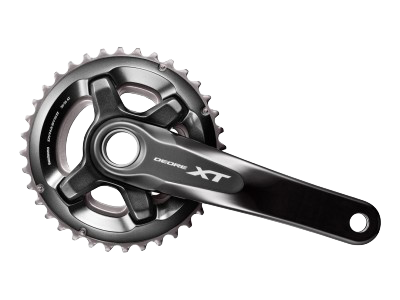
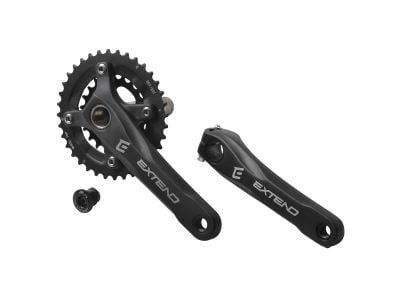
- Gear type: Cranksets come in different chainring configurations, such as single, double, or triple gears that have different numbers of teeth.
- Material: Cranks can be made of different materials, for example aluminium, carbon fibre or even titanium.
- Crank length: Crank length is another important factor to consider when choosing a crankset.
- Q Factor: The Q factor is the horizontal distance between the pedal attachment points on the cranks.
How to choose MTB cranks with the right chainring?
When choosing a MTB crankset with a chainring, consider your riding style, terrain preferences and gear ratio requirements.
- Dual chainring:
- Advantages:
- Versatile range of gears: Dual chainrings provide a wider range of gears compared to single chainrings, making them suitable for different terrains and riding styles.
- Smoother shifting: Thanks to two chainrings, dual chainrings offer smoother and more precise shifting between gears, making it easier for riders to find the cadence they want.
- Disadvantages:
- Increased weight: Compared to single chainrings, double chainrings are generally heavier because they include an additional chain ring.
- Potential chain falls: With dual chainrings there is a slightly higher risk of chain falls, especially when riding in difficult or technical terrain.
- More complex maintenance: Dual chainrings require more maintenance and adjustment compared to single chainrings.
- Advantages:
- Triple chainring:
- Advantages:
- Wide range of gears: Triple chainrings offer the widest range of gears of all three types, making them suitable for riders who frequently encounter steep climbs or need a wide range of gear options.
- Disadvantages:
- Increased weight: Triple chainrings are typically the heaviest of the three types because they contain three chainrings.
- Complex shifting: Shifting between three chainrings can be more difficult and less precise compared to a double or a single chainring, requiring more attention and adjustment.
- Potential chain drops: Triple chainrings are more likely to drop a chain than double chainrings or single chainrings, especially when shifting under load or when riding on rough terrain.
- Less popular: Triple chainrings have become less common in recent years as many riders opt for simpler and lighter cranksets.
- Advantages:
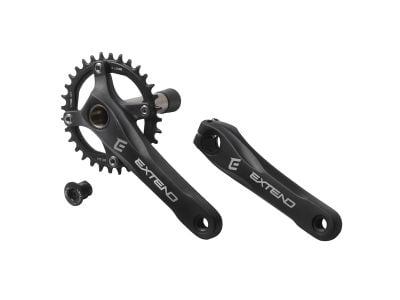
- Single chainrings:
- Advantages:
- Simplicity: Single chainrings offer a simplified drive with a single chainring, reducing complexity and potential for failure.
- Weight savings: Due to the absence of additional sprockets, single chainrings are generally lighter than double or triple chainrings.
- Better ground clearance: With only one chainring, single chainrings provide greater ground clearance, reducing the risk of hitting rocks, roots or other obstacles.
- Reduced incidence of chain drop: Single chainrings often feature narrow and wide tooth profiles, which improves chain grip and reduces the likelihood of chain drop.
- Easier maintenance: Thanks to fewer components used, cranks with single speed require less maintenance and adjustment.
- Disadvantages:
- Limited gear range: Single chainrings usually offer a narrower range of gears compared to two and three gears. This can limit the possibilities for fast flat rides or steep climbs.
- Larger differences in the gear ratio between gears: With fewer sprockets in the chainring, shifting between gears can result in larger jumps in the gear ratio, which can affect cadence and pedalling efficiency.
- Fewer gearing options: Single chainring cranks provide fewer gearing options, making it more difficult to fine-tune gear ratios for specific driving conditions.
- Advantages:
Consider riding style, terrain, and drivetrain preferences when choosing mountain bike cranks and chainrings. Make sure the cranks are compatible with your bike's bottom bracket and frame specifications.
In MTBIKER shop, you will find quality cranks with gears from Shimano, SRAM, FSA and other leading manufacturers.
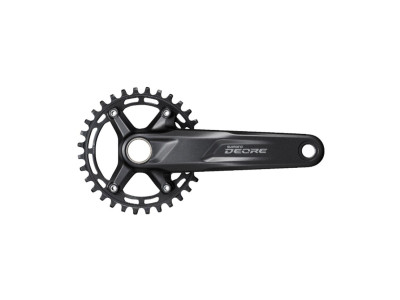
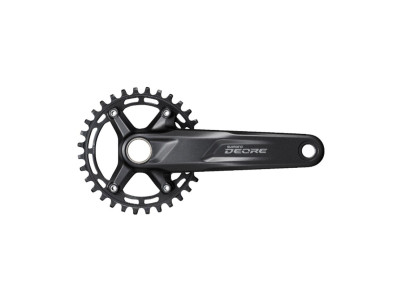
savings Shimano Deore FC-M5100 crankset, 1x11, 30T
from 47.99 €
savings
RRP 73.99 €
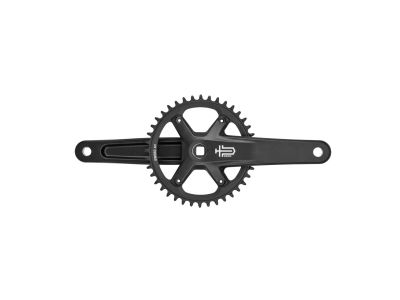
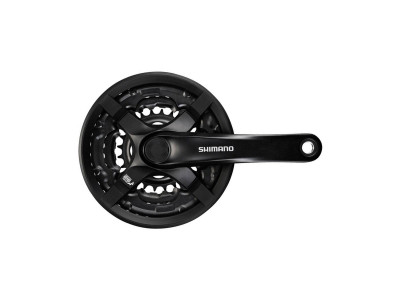
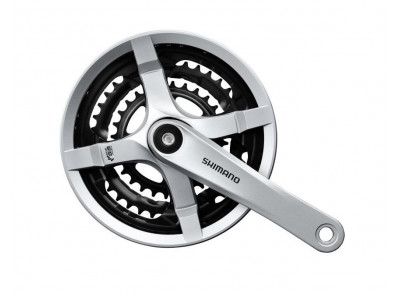
-5% Shimano FC-TY501 crankset, 170 mm, 3x8, 42/34/24T, square
17.99 €
-5%
RRP 29.99 €
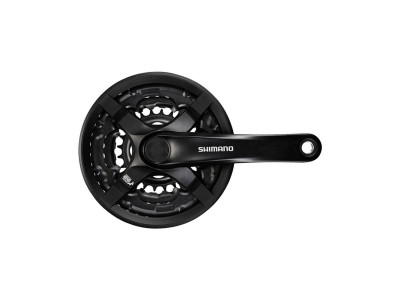
savings Shimano Tourney FC-TY501 crankset, 170 mm, 3x8, 48/38/28T, square
18.99 €
savings
RRP 30.99 €
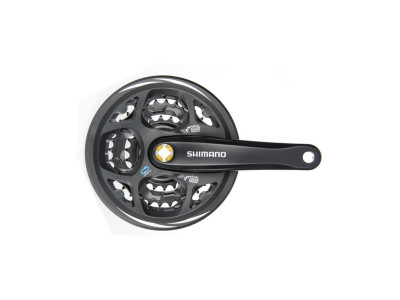
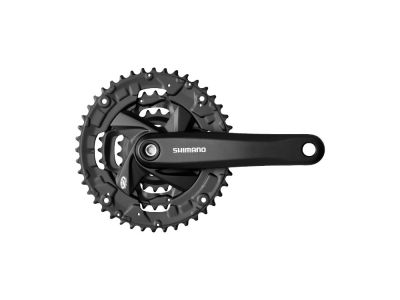
savings Shimano Altus FC-M311 cranks, 170 mm, 3x8, 42/32/22T, square
27.99 €
savings
RRP 39.99 €
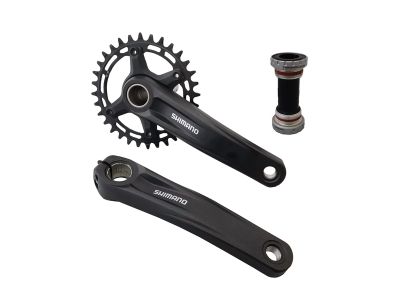
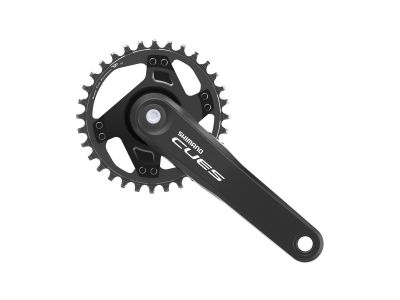
savings Shimano Cues FC-U4000-1 cranks, 175 mm, 1x11, 32T, square
31.99 €
savings
RRP 47.99 €
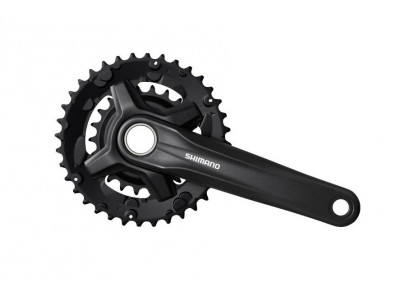
savings Shimano Acera FC-M371 cranks, 175 mm, 3x9, 48/36/26T, square
38.99 €
savings
RRP 55.99 €
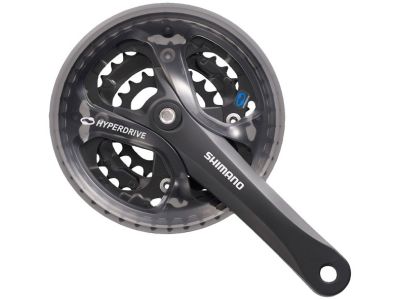
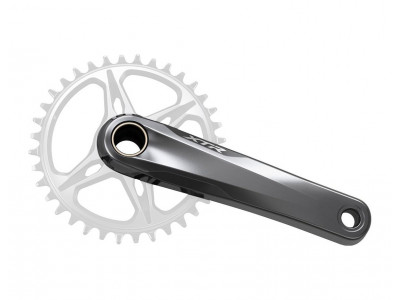
savings Shimano XTR FC-M9100 crankset, 175 mm, 1x12, no chainring
274 €
savings
RRP 429 €
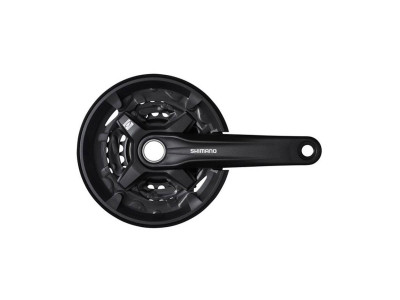
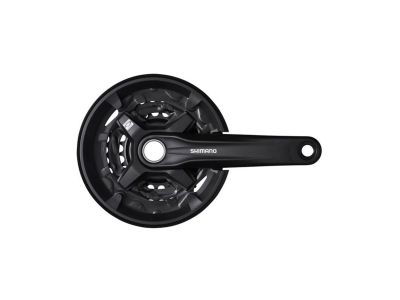
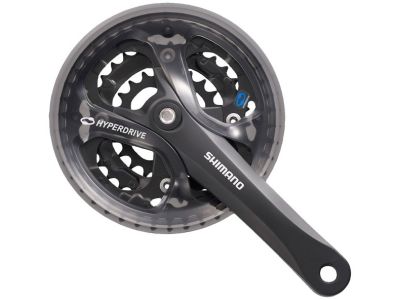
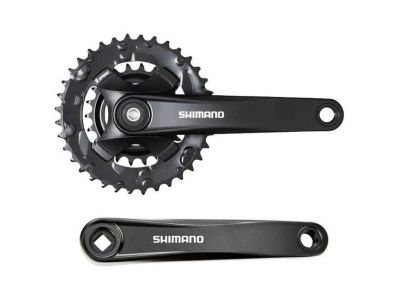
savings Shimano Altus FC-MT210 crankset, 175 mm, 40/30/22T, 3x9, two-part, with cover, without bearing
27.99 €
savings
RRP 47.99 €
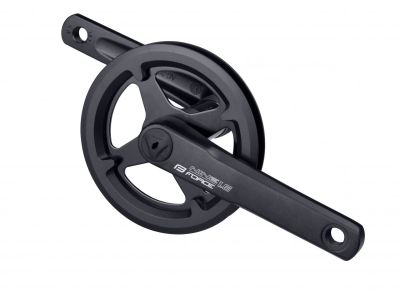
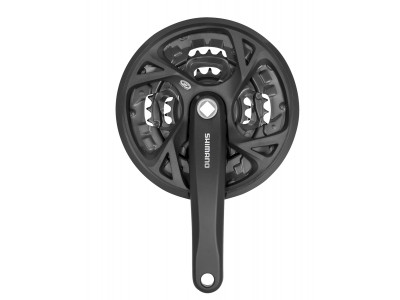
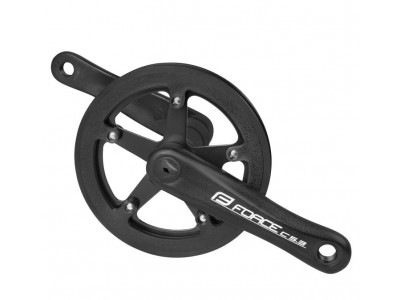
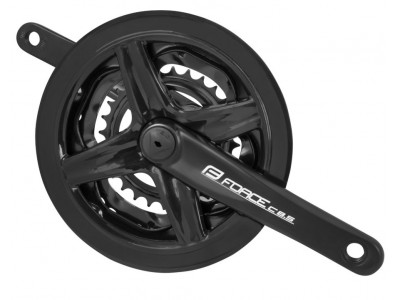
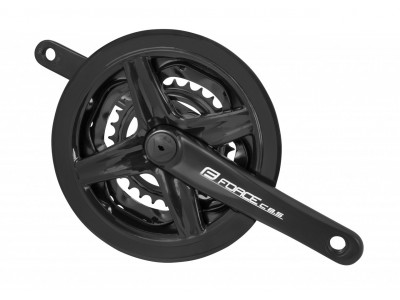
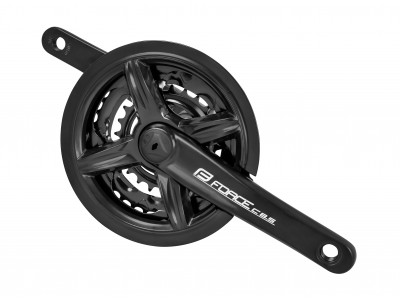
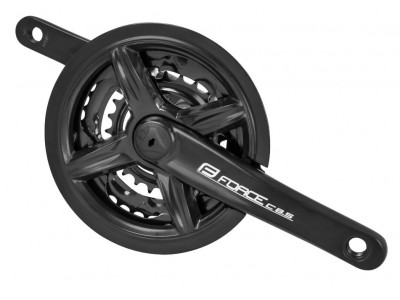
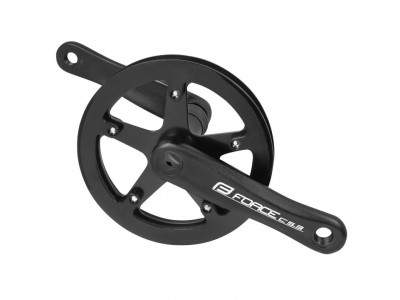
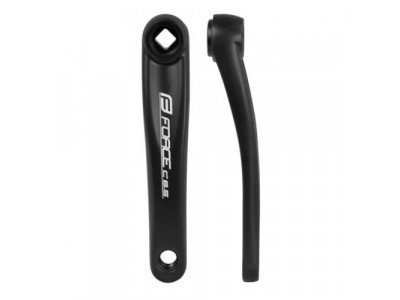
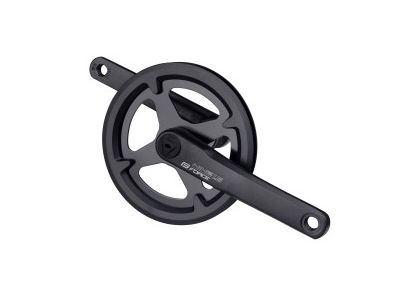
FORCE C 8.5 crankset, 170 mm, 3x8, 48/38/28T, square, with cover
17.99 €
RRP 20.99 €
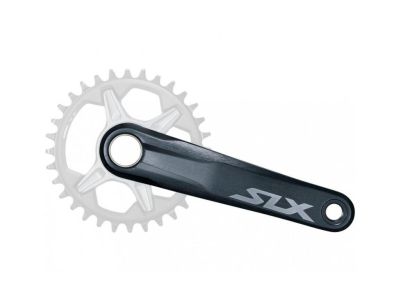
savings Shimano SLX FC-M7100 HTII cranks, 1x12, without chainring
from 79.99 €
savings
RRP 119 €
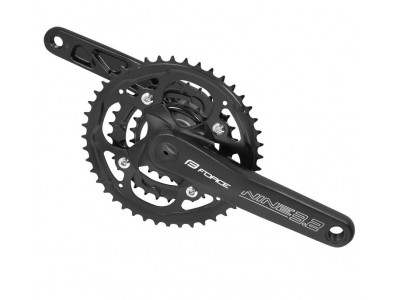
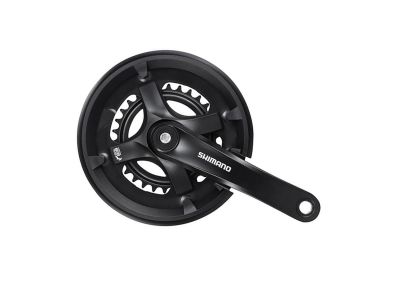
Shimano Altus MT101-2 crankset, 170 mm, 36/22T, 2x9, square (OEM)
23.99 €
RRP 25.99 €
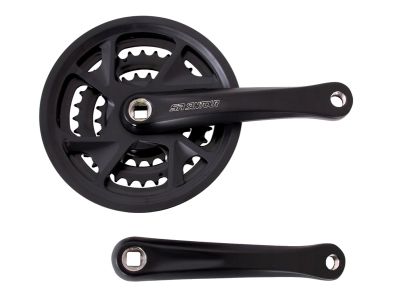
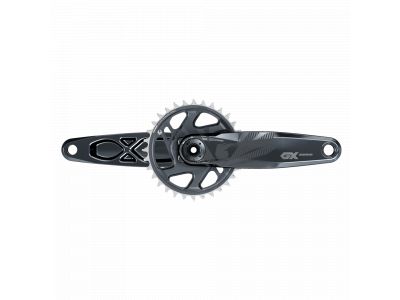
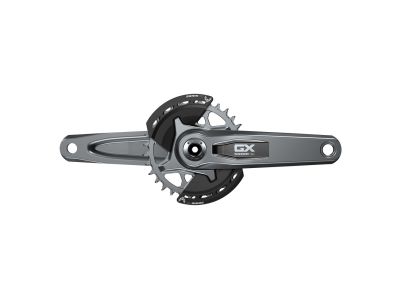
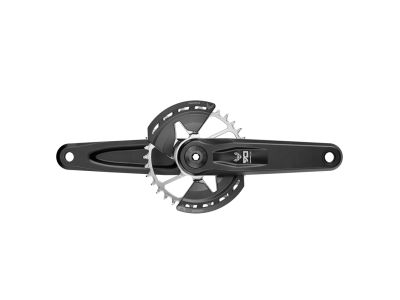
savings SRAM GX Eagle Transmission crankset, 1x12, 32T, with bashguard
from 159 €
savings
RRP 259 €
savings Shimano FC-TY501 crankset, 170 mm, 3x8, 48/38/28T, square, silver
20.99 €
savings
RRP 30.99 €