Are you planning to replace a worn cassette, do a thorough cleaning of your hub, or are you planning to upgrade to a different drivetrain? You won't be able to move without a quality cassette puller, pliers, or whip. These special tools will allow you to safely and quickly remove your cassette and multi-wheel without risking damage to your components.
Removing the cassette requires overcoming the resistance of the locknut, while the freewheel will naturally spin backwards. To "tame" it, you need a combination of these tools:
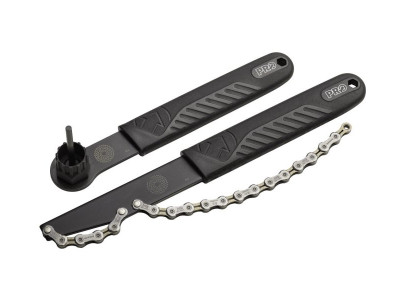
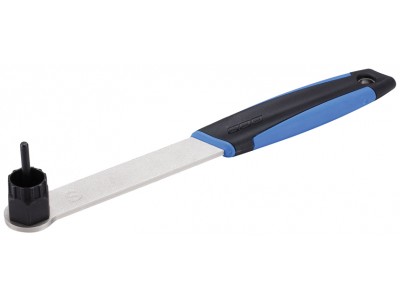
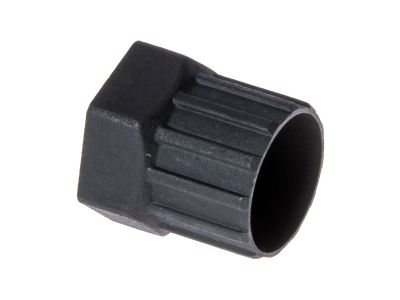
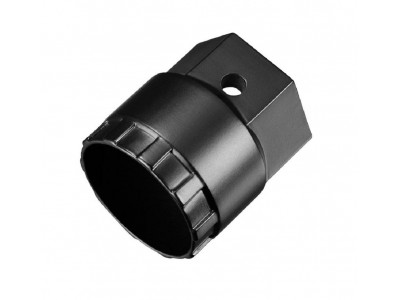
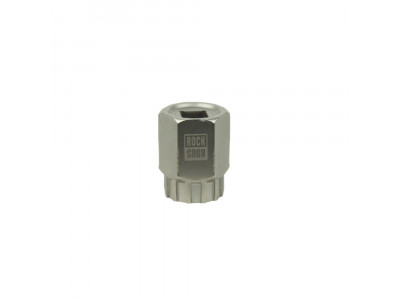
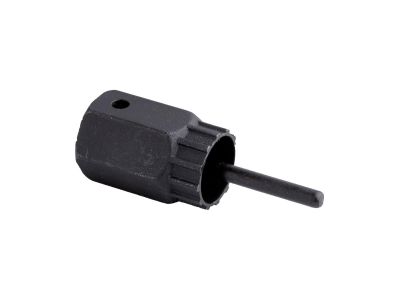
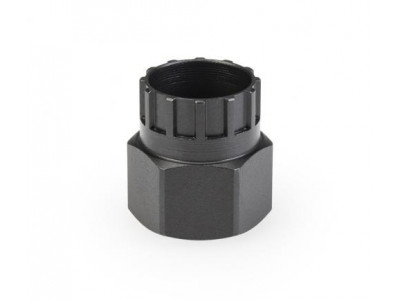
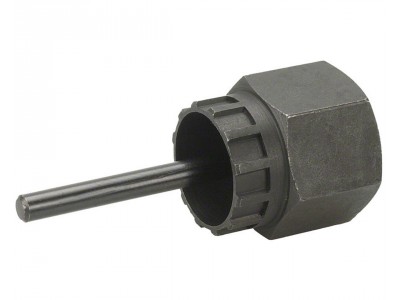
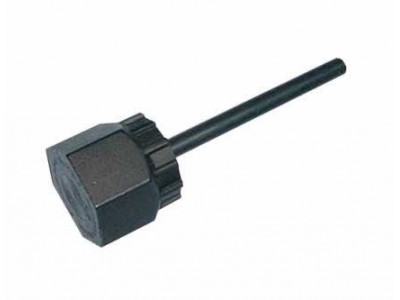
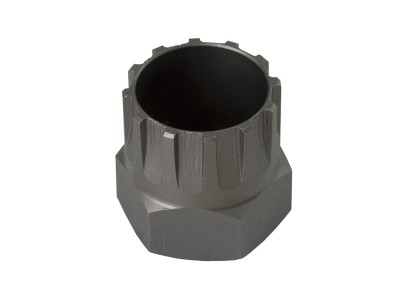
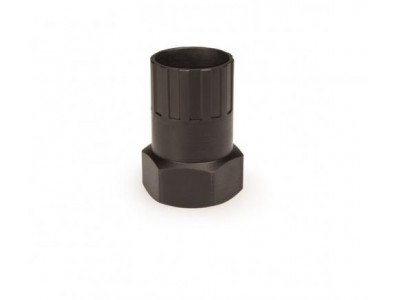
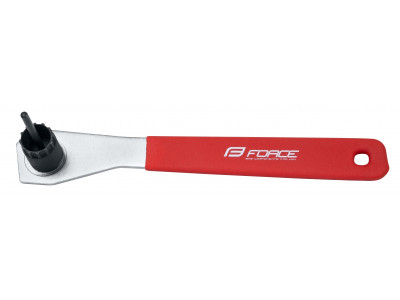
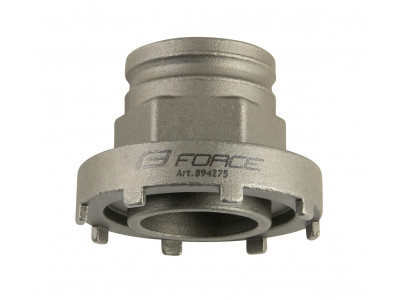
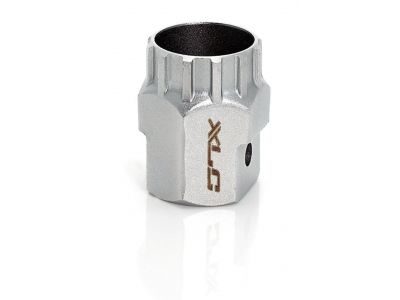
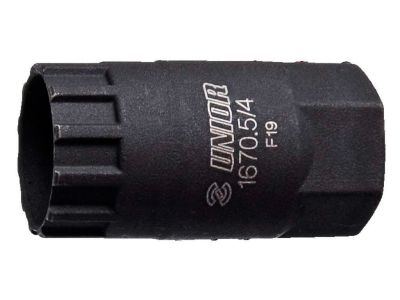
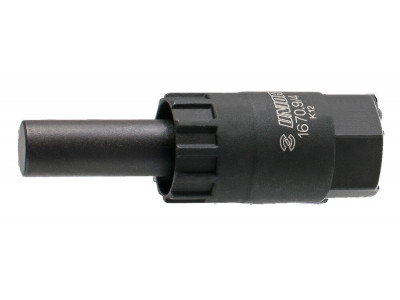
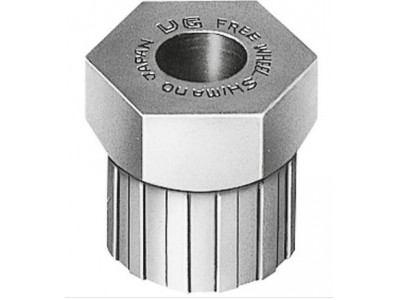
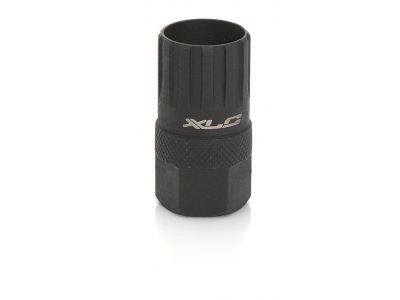
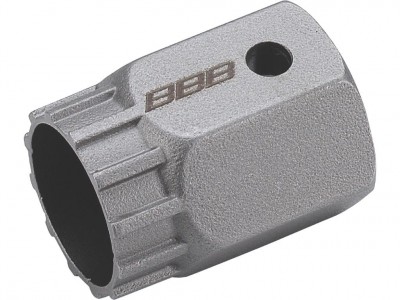
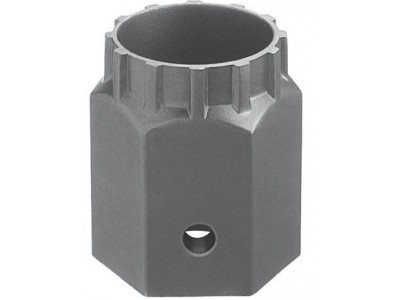
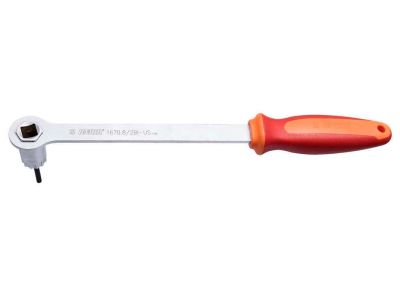
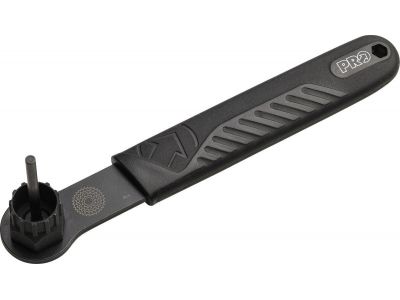
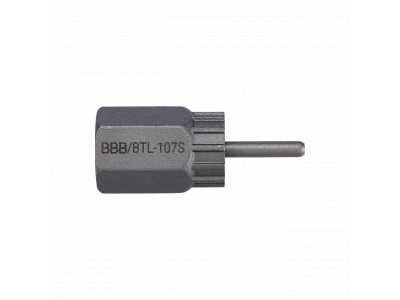
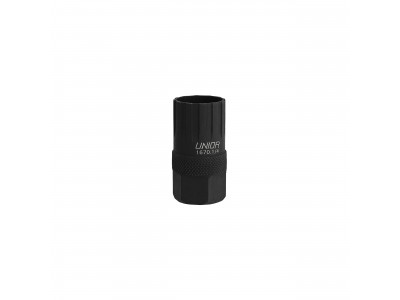
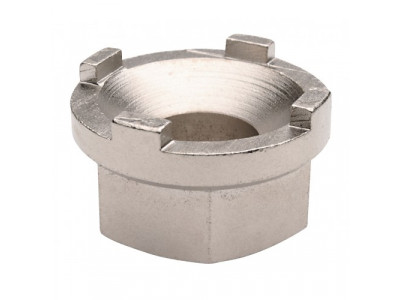
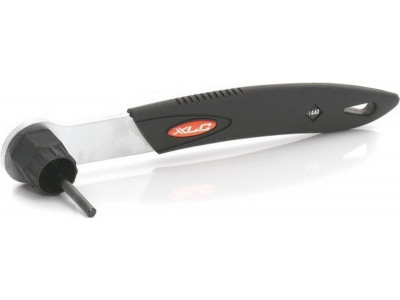
Cassette puller
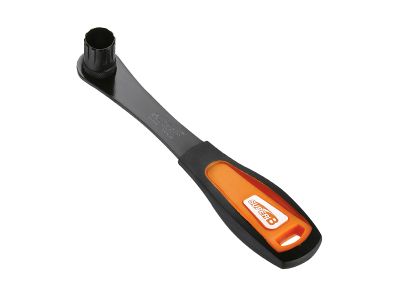
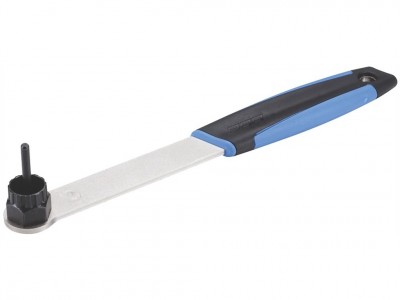
This special Allen key fits precisely into the cassette locknut. We offer pullers in the form of nuts that you attach to a ratchet, as well as versions with an integrated handle or a guide pin that ensures that the key does not slip when you engage it.
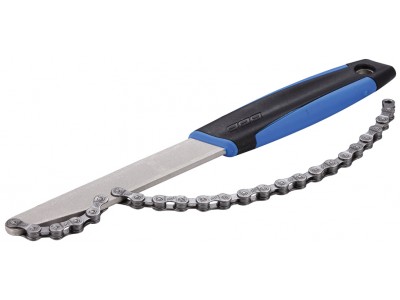
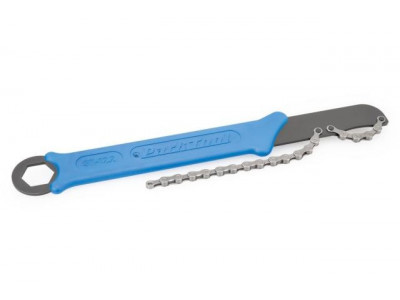
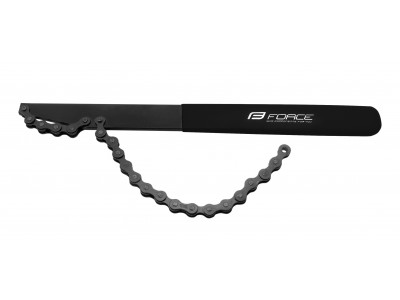
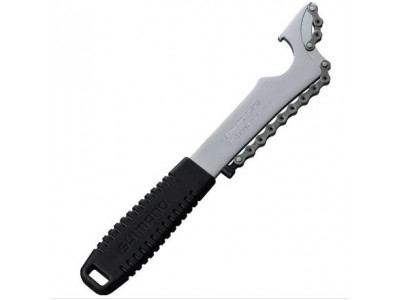
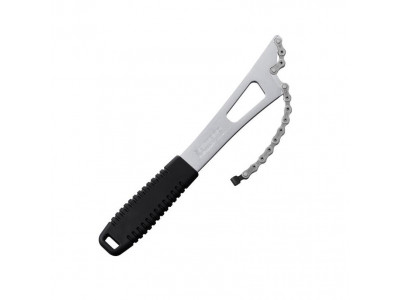
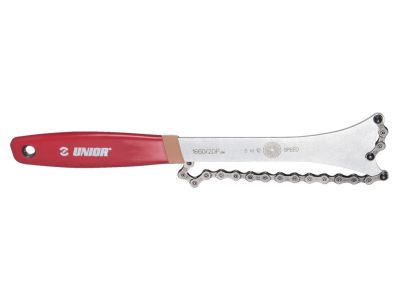
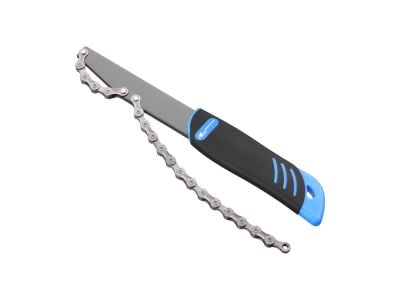
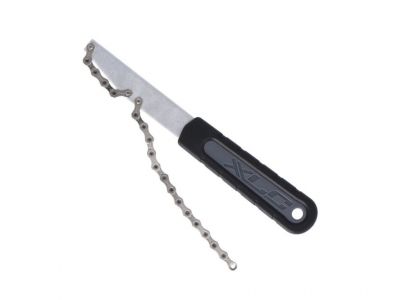
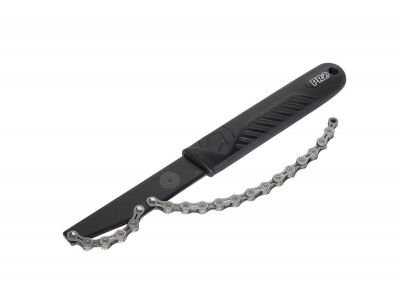
Whip on the cassette
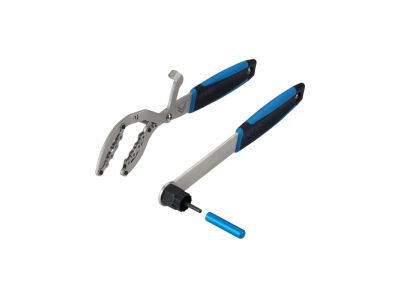
A classic that should not be missing in any service kit. It is a solid lever with a piece of chain that you use to immobilize the cassette. Just throw it on one of the sprockets and you can lean on the puller.
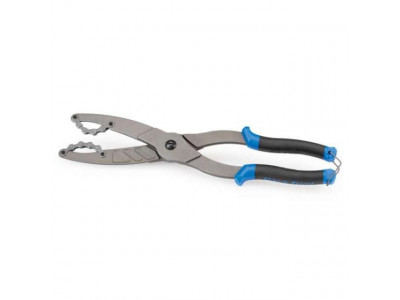
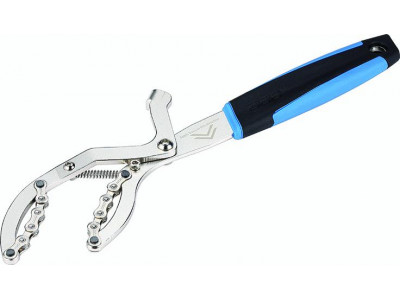
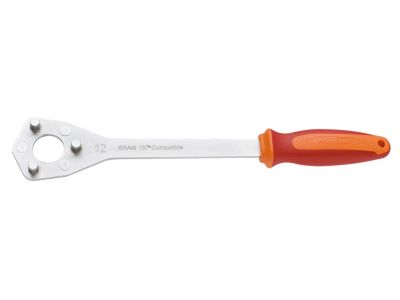
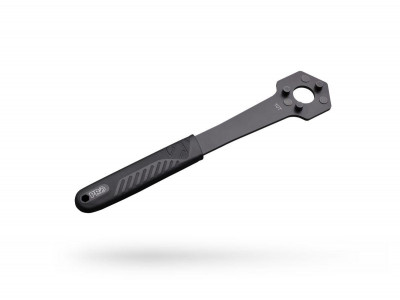
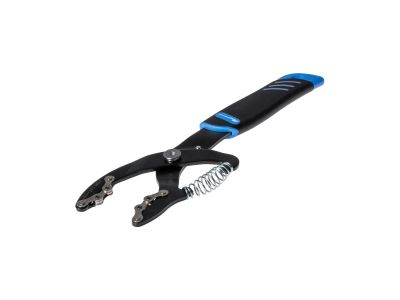
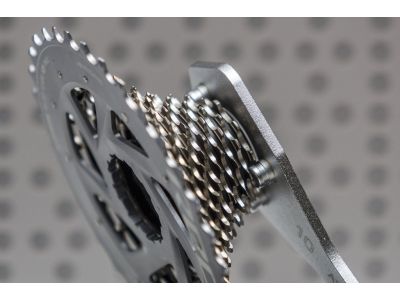
Cartridge pliers – a modern upgrade
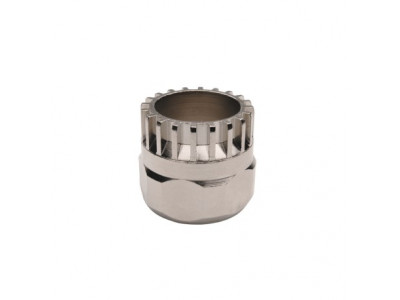
If you're looking for maximum comfort and speed, cassette pliers are the perfect choice. Instead of winding the chain (like a whip), you simply "grab" the cassette by the sprockets. Working with them is more intuitive and cleaner, and there's no risk of them slipping off your teeth. They're a popular choice among professional mechanics.
How to choose the right tool for cassette disassembly?
When choosing, focus on the technical parameters of your bicycle:
Nut Standard: Most bikes use a Shimano/SRAM HG type puller. However, if you are using a Campagnolo cassette, you will need their specific puller size.
Leverage and strength: If you change your cassette once a year, a basic puller and whip will suffice. If you service multiple bikes, reach for cassette pliers and a puller with a long, rubberised handle for better ergonomics.
Number of speeds: Modern cranks and cranksets are usually compatible with 7- to 12-speed cassettes, but always check the compatibility range in the product description.
Why should you service and dismantle your cassette regularly?
You might think that spraying the cassette with degreaser right on the bike is enough. But the truth is, it's only when you remove it that you can really start doing maintenance. Here are the main reasons why you should do it:
Extend chain and cassette life: A dirty or clogged cassette will wear your chain out much faster. Regular servicing and timely cassette replacement will prevent you from having to buy expensive front chainrings prematurely.
Checking the “nut” (freewheel hub): After dismantling, you can see what condition your hub is in. You can check to see if the cassette has gnawed grooves into the aluminium nut, clean the area behind the cassette that you can’t otherwise reach, and lubricate the seals.
Quiet and smooth operation: If your drive is making noise, it's often due to a loose lock nut or dirt under the cassette. With your own puller, you can always tighten it to the right moment.
Instant wear diagnostics: When you have the sprockets in your hand, you can see which teeth are already “pulled out” into a shark fin shape. This will tell you if it’s time for a new cassette before your chain starts skipping on a hill.
Which side should I loosen the cartridge locknut on?
The nut has a classic right-hand thread. This means that if you want to loosen it, you turn the puller to the left (counterclockwise). When tightening, you turn it to the right. Don't forget that when loosening, you have to hold the cassette with a whip or pliers; otherwise, the wheel will spin.
Should I choose a classic whip or modern cartridge pliers?
It depends on your budget and comfort. A whip is a cheaper classic that works reliably but requires a bit of practice when it comes to putting the chain in. Pliers are more expensive, but they are quick, clean, and much more reliable at keeping the chain from slipping off your teeth. If you service your bike often, you'll love pliers.
Do I have to tighten the cartridge with a torque wrench?
Manufacturers recommend this (usually 40 Nm). This is quite a lot of force, so if you don't have a torque wrench, you have to tighten the nut very tightly "by feel". A cassette that is too loose can damage the nut's grooves or cause poor shifting.
How do I know if I have a cassette or an older multi-wheel?
Look at the centre of the sprockets. If the centre (nut) stays still when you turn it backwards and only the teeth turn, you have a cassette. If the centre turns with the teeth and you see two small notches in it, it is a multi-wheel. You need a different type of puller for a multi-wheel (although it looks similar), and you usually don't need a whip because it will get stuck when you loosen it.




 arrow_outward
