Tubeless sealants, tire adhesives, and puncture repair compounds are an integral part of modern cycling, especially with tubeless tire systems. They help prevent punctures, increase tire reliability, and simplify maintenance during and after the ride.
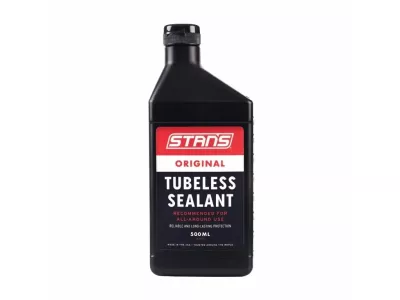
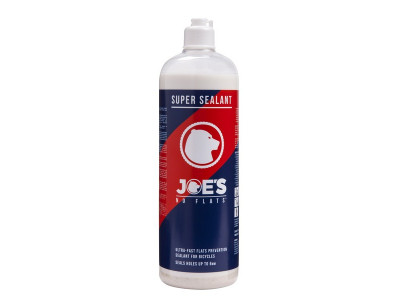
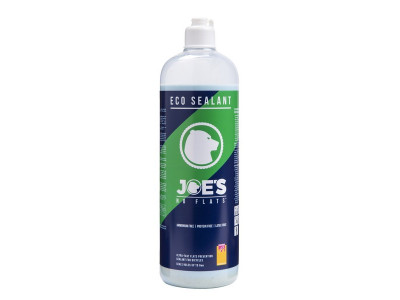
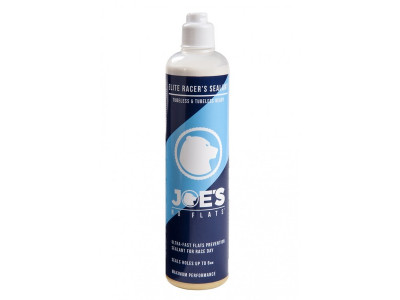
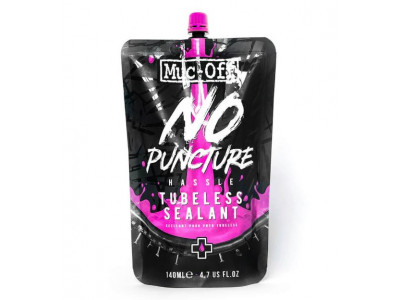
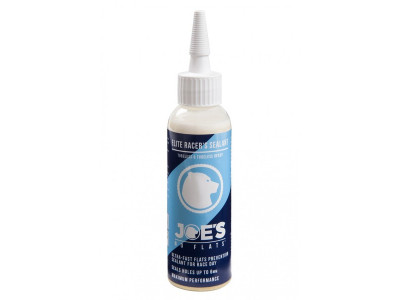
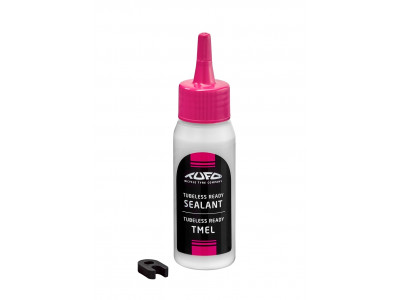
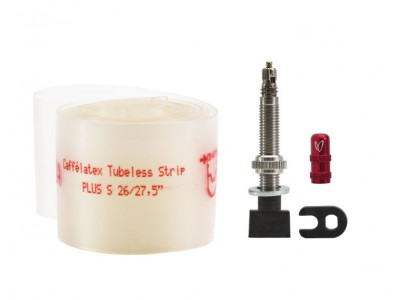
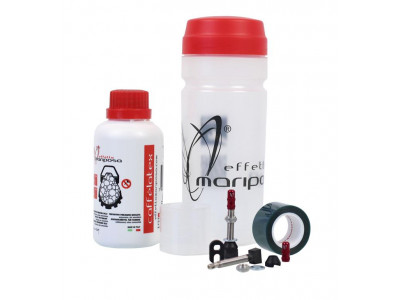
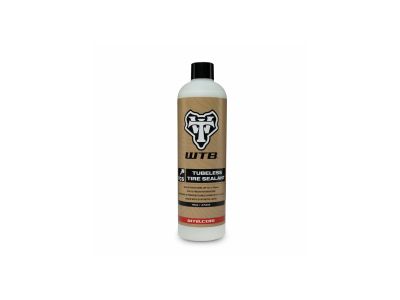
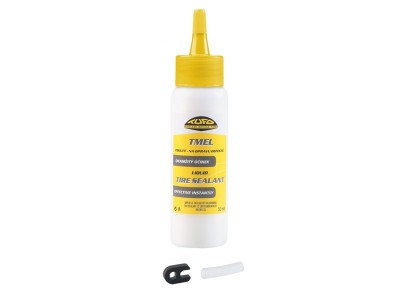
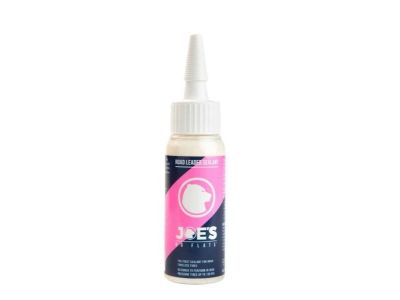
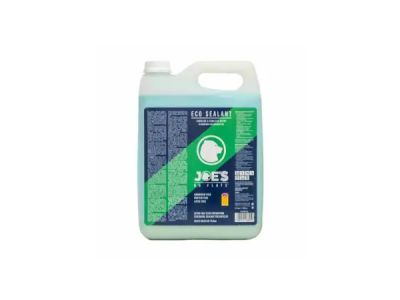
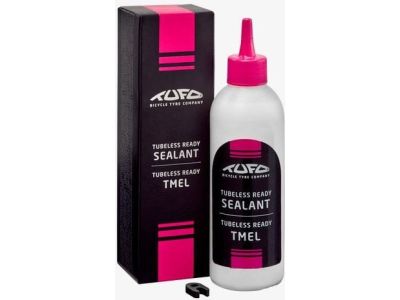
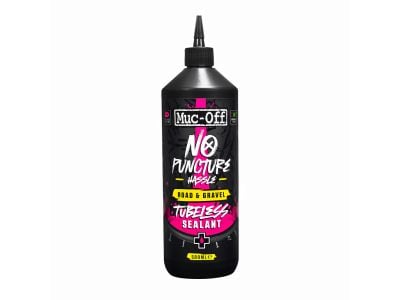
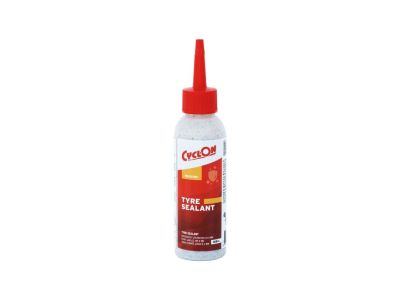
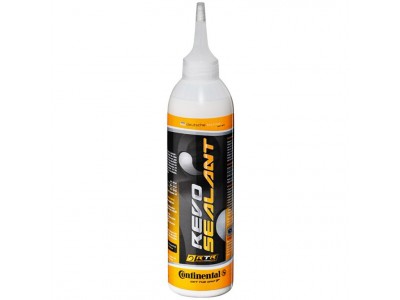
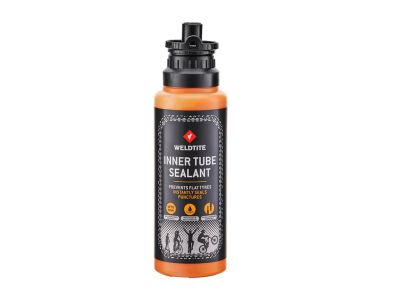
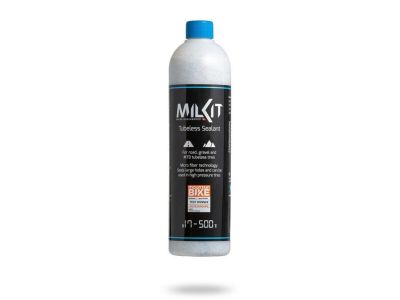
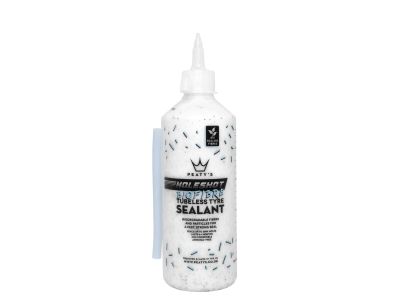
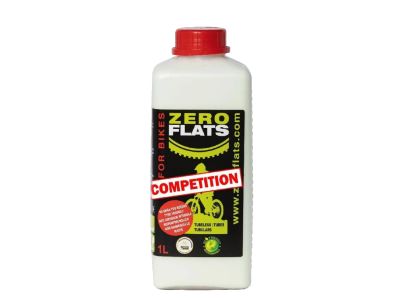
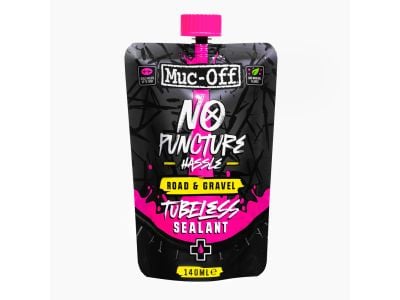
Tubeless sealant
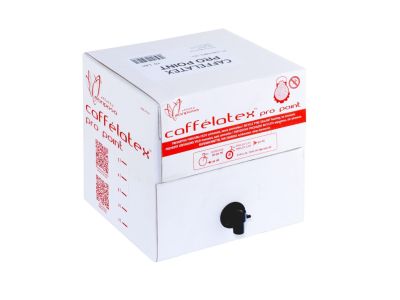
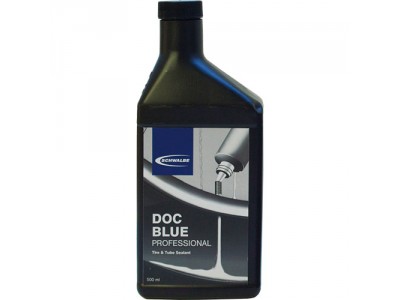
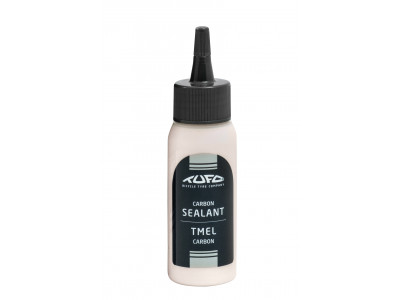
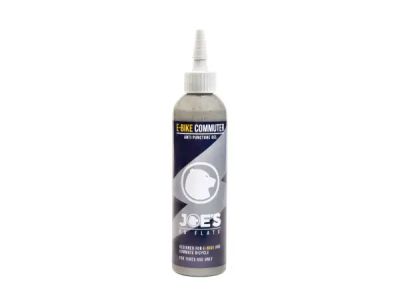
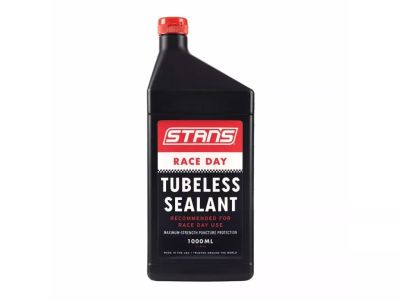
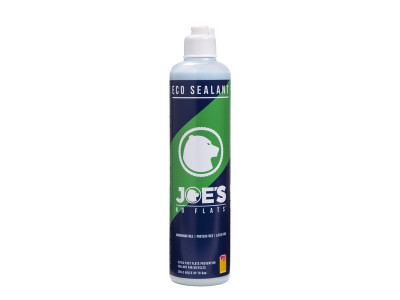
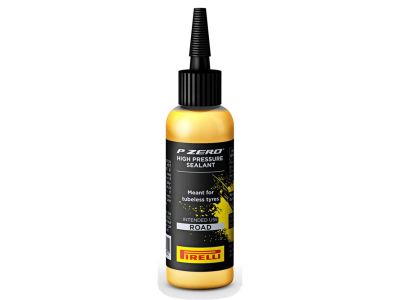
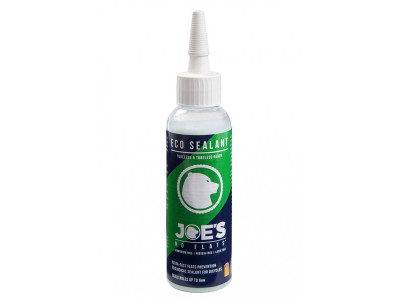
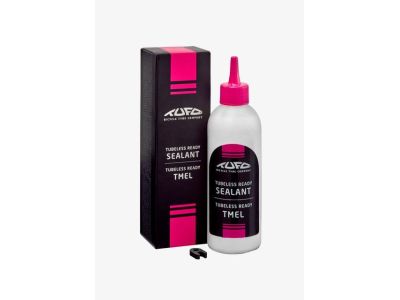
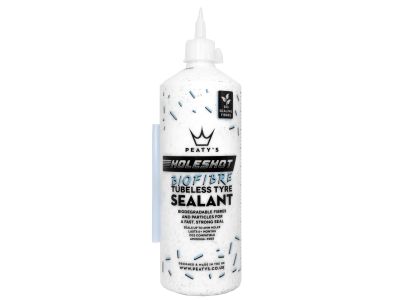
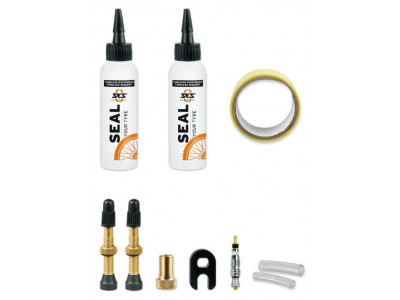
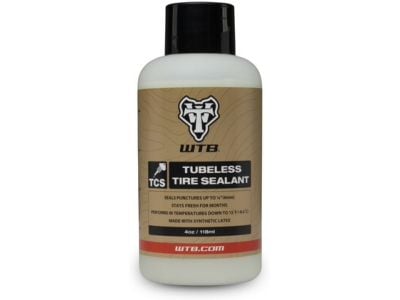
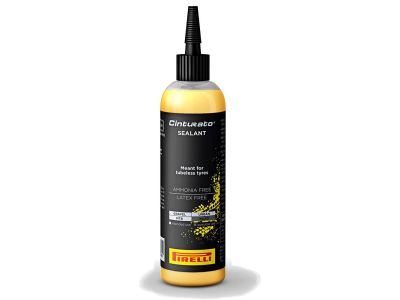
Tubeless sealant is a special liquid that is poured into the tire when installing a tubeless system. It serves two main functions:
- Tire-to-rim seal – helps create an airtight connection between the tire and the rim
- Repairing punctures while riding – in the case of minor punctures (e.g. thorns, sharp stones), the sealant reacts immediately, hardens and closes the hole
Advantages:
- Automatic repair of minor defects
- Lower weight compared to inner tubes
- Ability to ride at lower pressure for better traction
Disadvantages:
- Requires regular inspection and replenishment (every 2–6 months)
- May be ineffective on larger cracks
Tire adhesives (Rim cement, Tubular glue)
Tire adhesives are mainly used for tubular tires, which are glued directly to special rims. In this case, it is a traditional system, used mainly in road cycling and racing environments. Use of tire adhesive:
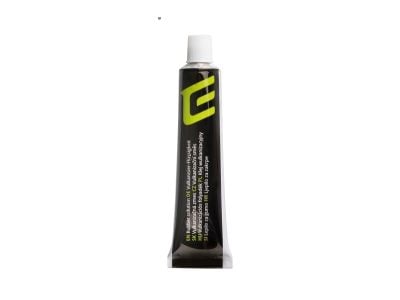
- Rim cement (e.g. from Continental) is applied to the rim and the bottom of the tire
- Once dry, it creates a strong bond between the tire and the rim, reducing the risk of the tube slipping off while riding
Advantages:
- Secure attachment of the beads for high speeds
- Ideal for competitive road cycling
Disadvantages:
- The application is more demanding and requires precision
- Dismantling of the tubular is laborious
- Not designed for modern tubeless systems
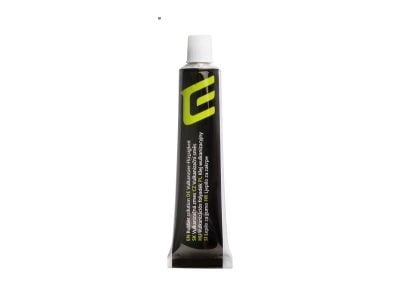
Vulcanized adhesive for defects
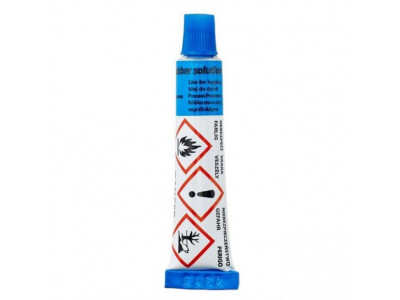
Vulcanized glue (also called vulcanizing glue) is a special glue designed for repairing inner tubes using patches. It works on the principle of the so-called cold vulcanization process, in which a chemical bond occurs between the inner tube and the patch, creating a strong, durable and flexible joint.
Advantages
- Permanent repair of tube defects
- High flexibility and joint durability
- Easy and quick to use
- Works with both butyl and natural rubber tubes
Disadvantages
- Designed for inner tubes only, not for tubeless systems
- The joint must be clean and roughened (with sandpaper)
- It is important to let the glue dry before applying the patch
How often should tubeless sealant be added to the tire?
It is recommended to check and refill the sealant every 2 to 6 months - depending on conditions, temperature, and type of riding.
Can tubeless sealant seal every puncture?
No. The sealant usually can handle punctures up to 4–6 mm. Larger damage requires repair with a wick.
Is it possible to mix different brands of tubeless sealant?
It is not recommended to mix different sealants - precipitation or loss of effectiveness may occur.
How is sealant applied?
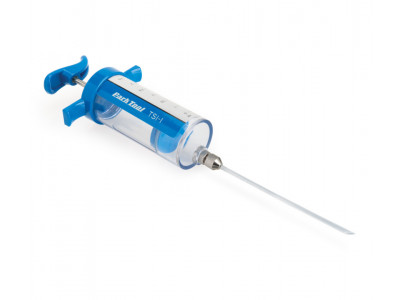
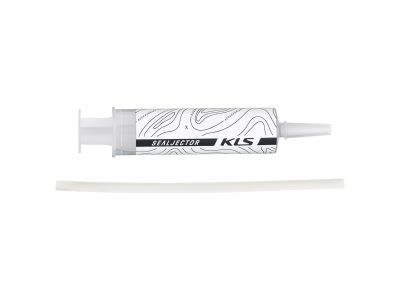
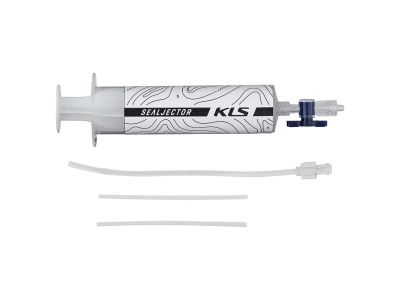
Either directly through the valve (with the valve core removed), or before mounting the tire. The tire is then inflated and spun to evenly distribute the sealant.
Is vulcanization glue suitable for repairing tubeless tires?
No. It is only intended for repairing classic tubes. Tubeless systems require sealants or special patches.



 arrow_outward
