Bike backpacks are essential accessories for cyclists, providing a convenient and comfortable way to carry equipment, tools and personal belongings on the road. There are different types of backpacks, each catering to the different needs and preferences of cyclists. Here are some popular types of cycling backpacks and their associated benefits and features:
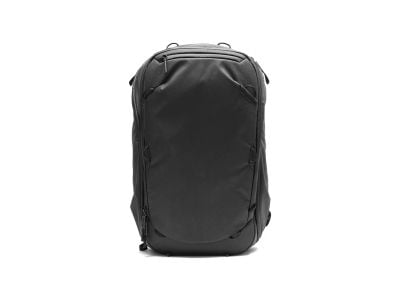
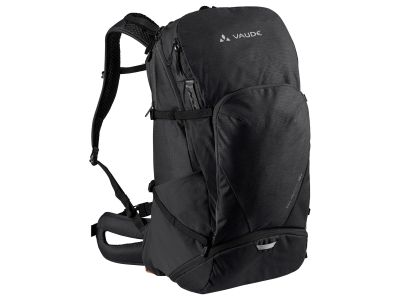
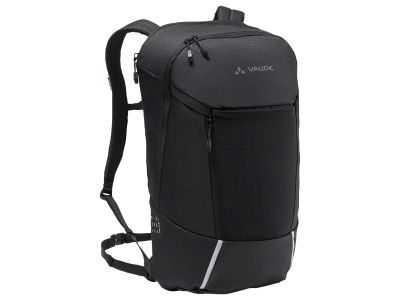
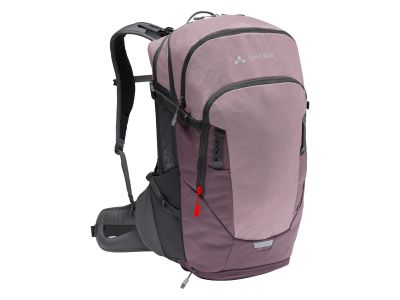
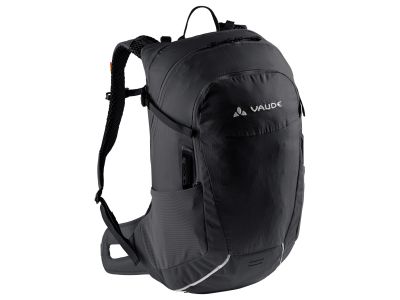
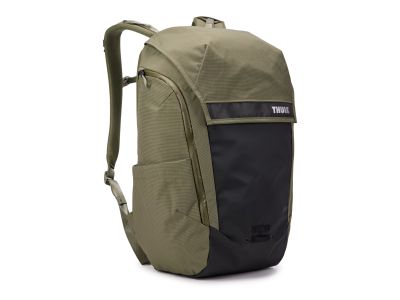
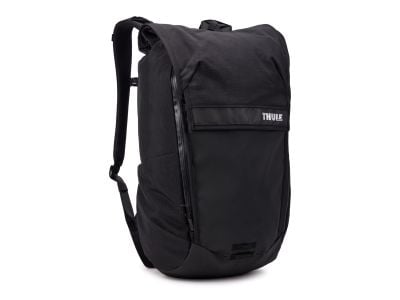
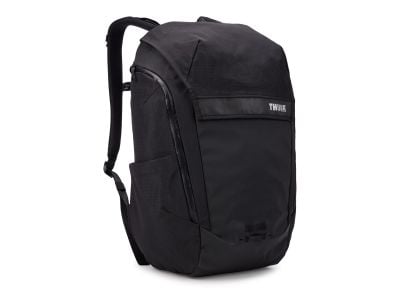
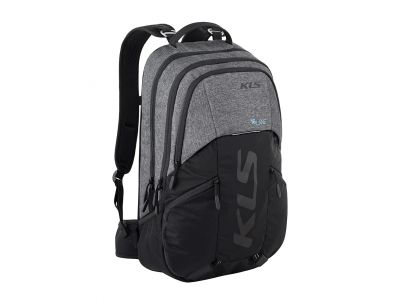
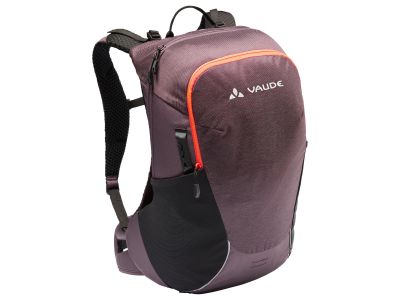
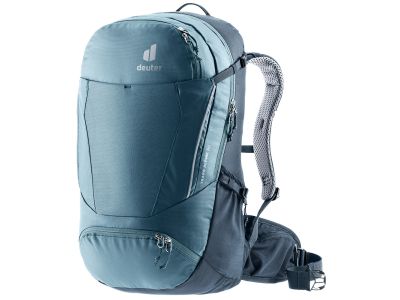
- Commuter backpacks: Usually have a spacious main compartment, multiple pockets and compartments to organize laptops, tablets and other work or school supplies. They are often equipped with additional features such as reflective elements to improve visibility and weather-resistant materials to protect things from rain and moisture.
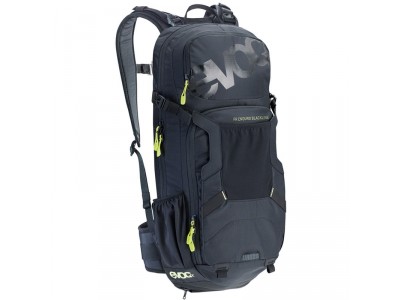
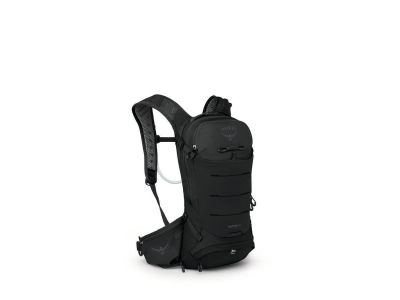
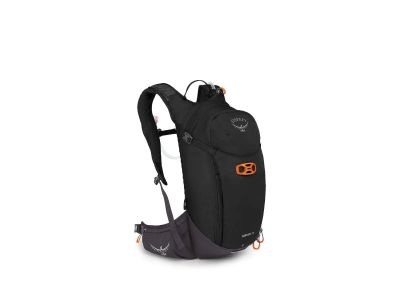
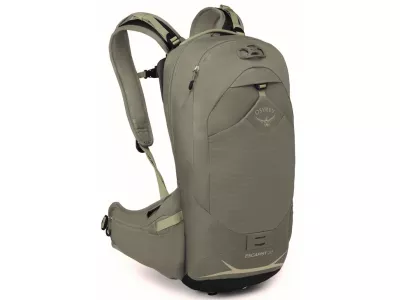
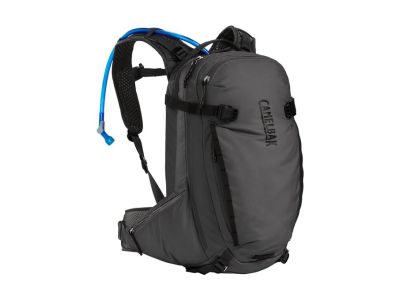
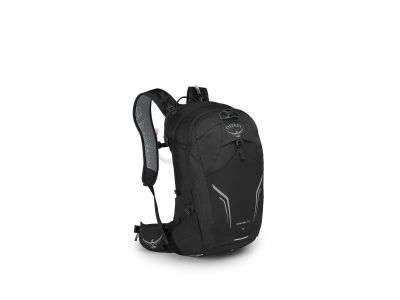
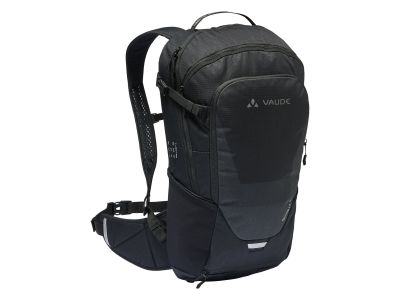
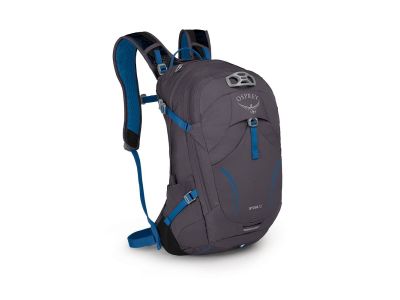
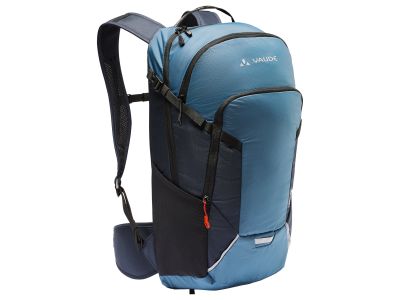
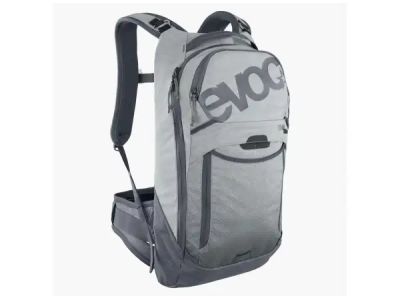
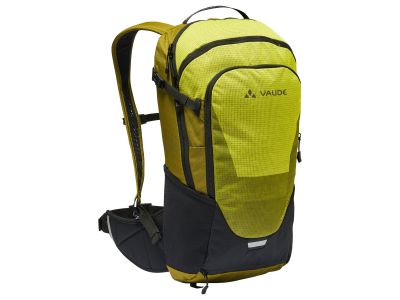
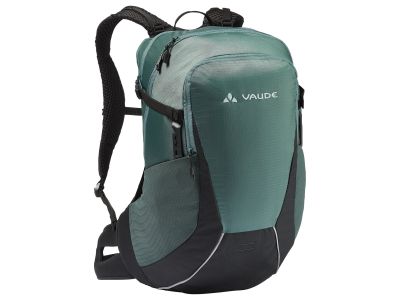
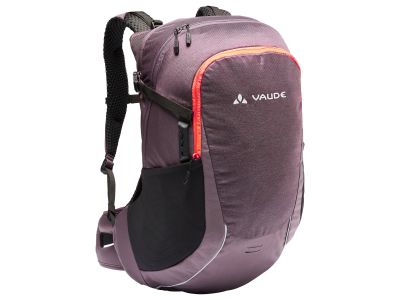
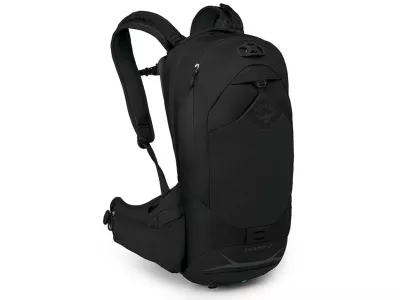
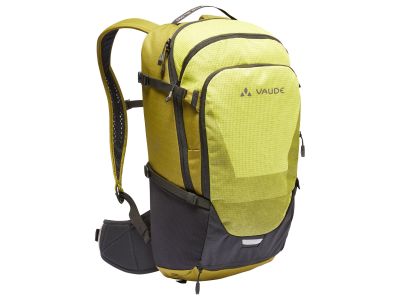
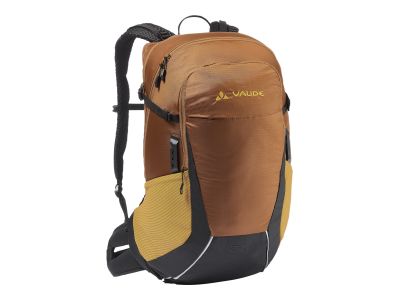
- Trail backpacks: Allows riders to carry essential equipment such as tools, inner tubes, pumps, and snacks for longer rides in remote areas. They offer easy access to gear and keep everything organized and secure, ensuring a smoother and more enjoyable off-road experience.
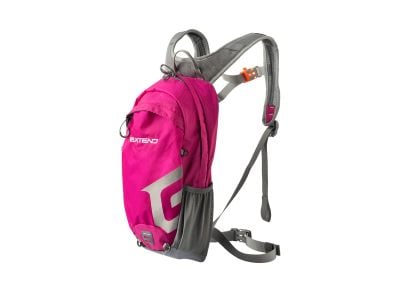
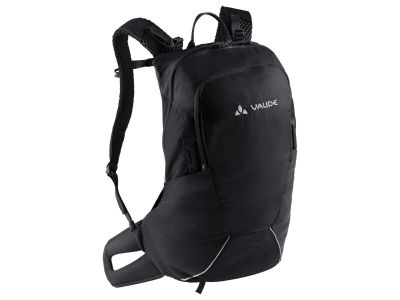
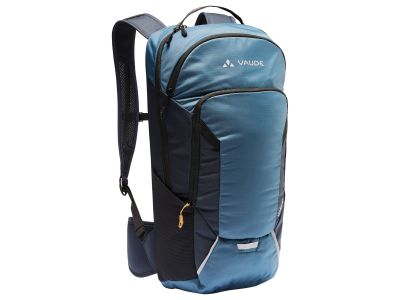
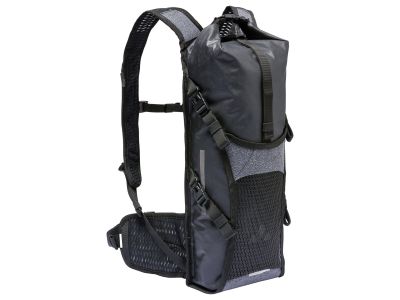
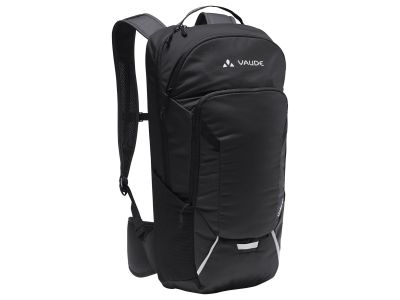
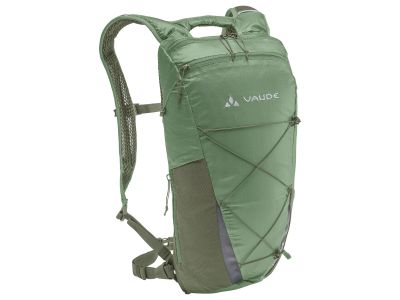
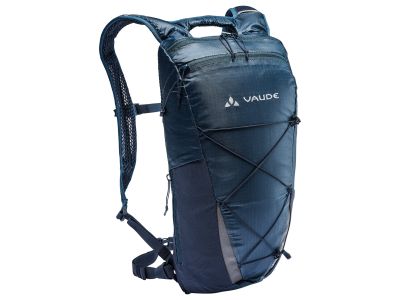
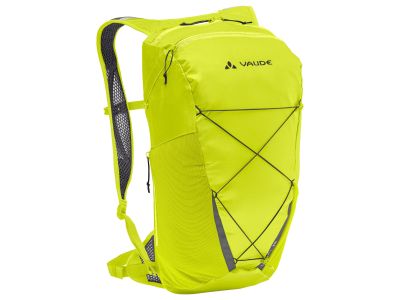
- Light backpacks or vests: Designed for cyclists who prefer a minimalist approach or require maximum freedom of movement. They typically have a slim profile, lightweight materials and a streamlined design that minimizes wind resistance. These backpacks are frequently equipped with several small pockets or compartments to carry essentials such as energy gels, keys, phone, or wallet.
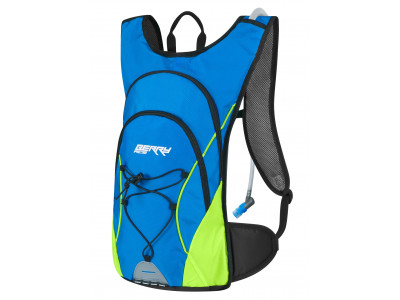
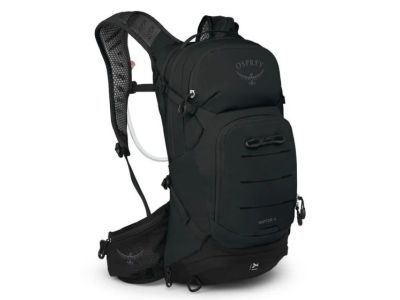
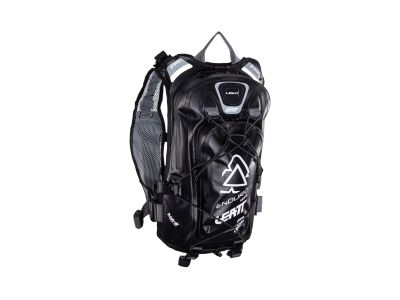
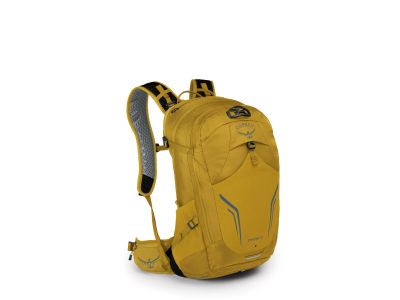
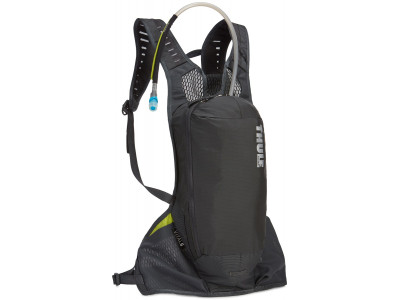
- Hydration packs: Specially designed to keep cyclists hydrated during long rides. They are equipped with a built-in water reservoir and a drinking tube that allows riders to drink water without stopping.
Choose the type of cycling backpack that suits your specific cycling needs and preferences.
How to pick a suitable cycling backpack?
Choosing the right cycling backpack depends on the type of cycling you do, the duration of your trips, the amount of gear you want to carry, and your personal preferences. Here's a practical guide on how to do it:
- Type of cycling:
- Road cycling: Small, aerodynamic backpack or vest (4–10 L).
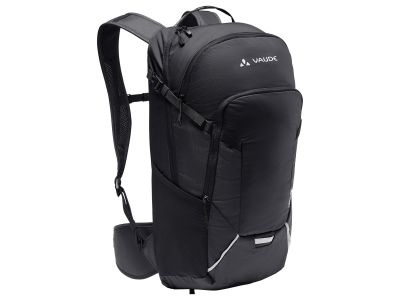
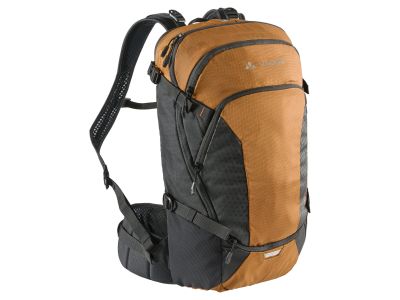
- MTB/trail/enduro: Stable backpack with good support and ventilation (8–15 l).
- Gravel/bikepacking: Lighter, multi-day backpack (10–20 l) or combination with panniers.
- Short rides: Minimalist backpack.
- Backpack volume:
- 3–5 litres: Designed for short trips, they provide space for basic equipment.
- 6–10 litres: Regular MTB/trail rides, provides space for water, tools, snacks, spare jersey.
- 11–20 litres: Longer trips, bikepacking, provide space for extra clothes and luggage.
- 20+ litres: Designed for long adventures and multi-day trips.
- Backpack with or without hydration bladder:
- With a hydration pack: If you often ride off-road, on technical sections, or don't want to stop, a hydration pack (1.5-3 l) with a hose is a big plus.
- Without a hydration pack: For less demanding rides, bottles in pockets or in the frame will suffice.
- Spinal system:
- Ventilated back (mesh, air channels).
- Adjustable straps (shoulder, chest, and waist).
- Stability while riding – the backpack must not move or weigh you down.
- Internal organization and practical details:
- Separate compartments (e.g. for tools, pump, mobile phone, jacket).
- Rain cover (integrated or separate).
- Helmet or protector attachment (for MTB).
- Magnet for a tube from a hydro bag.
- Consider durability and materials:
- Look for Ripstop nylon, Cordura® or TPU treatment for longer durability.
- High-quality zippers (e.g. YKK) and strong seams are a sign of a good backpack.




 arrow_outward
